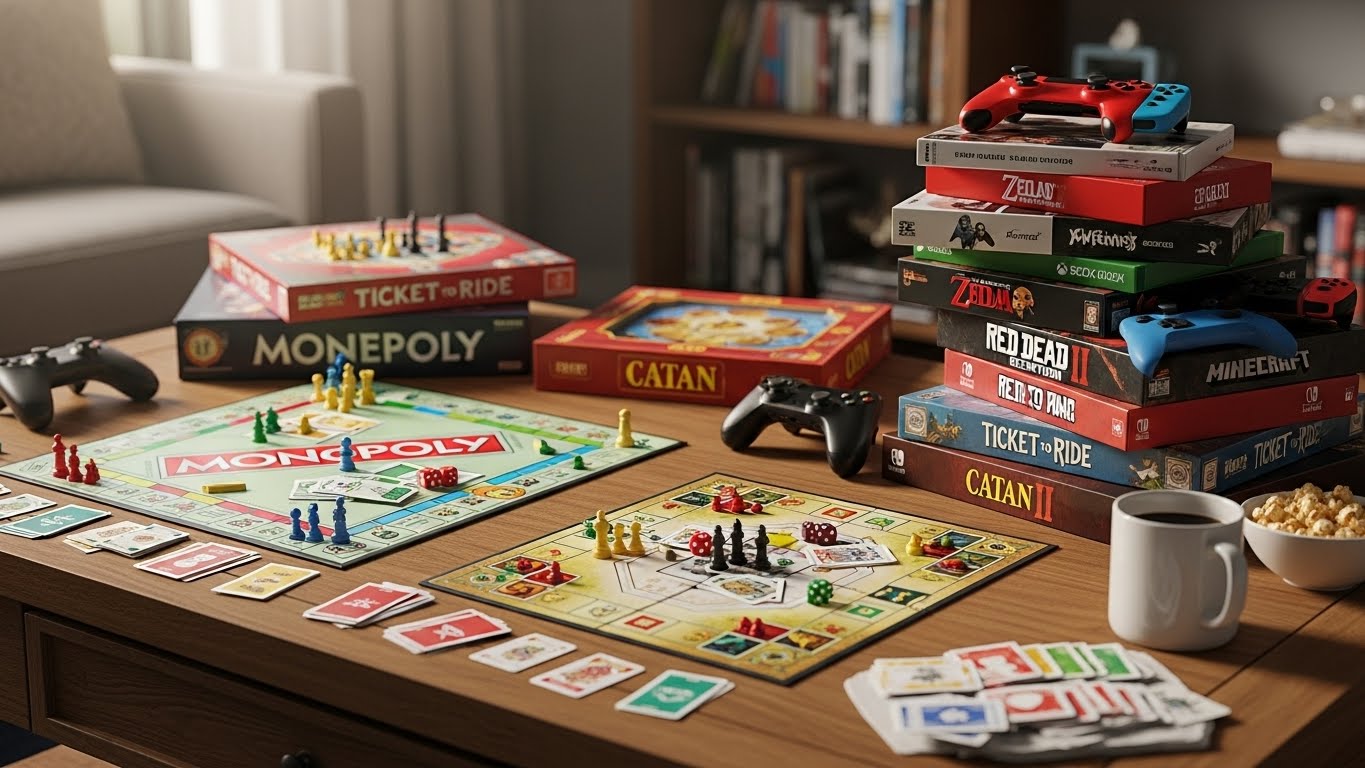






In an era dominated by cutting-edge graphics and immersive virtual realities, classic games continue to hold a special place in the hearts of gamers everywhere. Despite technological advances, these timeless titles offer unique experiences that modern games often struggle to replicate. Whether you are a seasoned gamer or a newcomer, exploring classic games is a journey into the roots of gaming culture that still delivers hours of enjoyment and valuable lessons. Let’s dive into why classic games are still worth playing today.
The Enduring Appeal of Classic Games
Classic games have a charm that transcends time. Their simple yet engaging gameplay mechanics, memorable stories, and iconic characters create an experience that remains compelling even decades after their initial release. These games often emphasize core gameplay elements like strategy, timing, and problem-solving rather than relying on flashy graphics or elaborate effects.
Many classic titles are renowned for their accessibility and straightforward controls, making them easy to pick up but challenging to master. This balance creates a rewarding experience that appeals to both casual players and hardcore enthusiasts. The appeal of classic games lies in their ability to provide pure, unfiltered fun that doesn’t require the latest hardware or software.
Nostalgia and Cultural Significance
For many players, classic games evoke a sense of nostalgia, transporting them back to the early days of gaming. These titles carry emotional weight and memories, from late-night gaming sessions with friends to discovering new virtual worlds for the first time. Nostalgia is a powerful motivator that keeps classic games relevant across generations.
Beyond nostalgia, classic games have shaped gaming culture and influenced countless modern titles. Games like Super Mario Bros., Tetris, and Pac-Man laid the groundwork for genres and design principles still in use today. Playing these games offers a deeper appreciation of how the gaming landscape has evolved and highlights the creativity and innovation that have driven the industry forward.
Learning from the Past: Gameplay and Design
Classic games often feature design philosophies that modern games can learn from. They teach players to focus on fundamental skills such as precision, timing, and strategic thinking. For example, platformers like Sonic the Hedgehog emphasize speed and reflexes, while puzzle games like The Legend of Zelda require critical thinking and exploration.
Moreover, the limitations of early gaming hardware forced developers to create engaging content without relying on high-end visuals. This led to a focus on memorable level design, clever mechanics, and strong storytelling. Many modern developers draw inspiration from these classic titles to craft experiences that prioritize gameplay quality over visual spectacle.
Accessibility and Availability
One of the great advantages of classic games is their accessibility. Many of these titles are available on multiple platforms, including modern consoles, PCs, and even mobile devices. Retro game collections, remastered editions, and emulators allow players to experience these games without needing original hardware.
Additionally, classic games tend to be less demanding in terms of system requirements. This makes them ideal for players who do not have access to powerful gaming rigs or who prefer more straightforward gaming experiences. Their smaller file sizes and simpler controls also make them perfect for quick gaming sessions.
Community and Competitive Play
Classic games continue to thrive in competitive and community-driven settings. Titles like Street Fighter II, Tetris, and Mario Kart have enduring competitive scenes with tournaments and online play. These games foster vibrant communities that celebrate skill, strategy, and friendly rivalry.
The longevity of these games also means there is a wealth of knowledge and resources available for new players. Guides, forums, and videos help beginners learn techniques and improve their skills. This supportive environment makes classic games an excellent choice for anyone looking to engage with a passionate and welcoming gaming community.
Conclusion: Why Classic Games Matter Today
Classic games are much more than relics of the past. They represent the foundation of gaming as we know it and continue to offer compelling experiences that resonate with players of all ages. Their timeless gameplay, cultural impact, and accessibility make them essential additions to any gamer’s library.
Whether you seek nostalgia, want to learn the fundamentals of gaming, or simply enjoy well-crafted experiences, classic games deliver value that stands the test of time. Embracing these timeless titles not only enriches your gaming journey but also honors the rich history that has shaped the vibrant world of gaming today.