





Introduction: Games as a Universal Language
Games have been an integral part of human culture for centuries. From traditional board games and outdoor sports to modern digital video games, play has served as both a source of entertainment and a tool for personal growth. Games are more than a pastime—they are a universal language that transcends age, culture, and geography. They challenge the mind, enhance skills, foster social connections, and offer a platform for storytelling, creativity, and imagination.
The world of games is vast and diverse, encompassing competitive sports, casual puzzles, strategic simulations, and immersive virtual experiences. Each form of play provides unique benefits, shaping both individuals and communities while reflecting cultural trends and technological advancements.
The Evolution of Games
The history of games spans thousands of years. Ancient civilizations developed board games, dice games, and physical competitions to entertain and educate. Games like chess, Go, and backgammon were not only forms of recreation but also exercises in strategy, logic, and critical thinking.
The invention of video games in the 20th century marked a significant shift in the landscape of play. From simple arcade games to complex role-playing and simulation games, digital gaming introduced new ways to challenge the mind, compete with others, and explore immersive virtual worlds. Today, games have evolved into multi-platform experiences accessible on computers, consoles, and mobile devices, offering diverse gameplay styles for players of all ages.
Cognitive Benefits of Games
Playing games enhances cognitive abilities, including problem-solving, memory, attention, and decision-making. Strategy games, puzzles, and role-playing games challenge players to think critically, anticipate outcomes, and make complex choices under pressure.
Studies have shown that regular engagement with games can improve spatial awareness, pattern recognition, and multitasking abilities. Even action games contribute to faster reflexes and better hand-eye coordination. Games stimulate the brain, encouraging creativity, experimentation, and adaptive thinking, all of which are valuable in personal, academic, and professional life.
Social and Emotional Benefits of Games
Games also play a crucial role in social and emotional development. Multiplayer and cooperative games foster communication, teamwork, and collaboration. Players learn to negotiate, share responsibilities, and work toward common goals. Competitive play teaches resilience, sportsmanship, and emotional control, as players navigate victories and defeats.
Games can provide a safe space for self-expression and emotional exploration. Story-driven games allow players to empathize with characters, understand different perspectives, and experience complex narratives. Social gaming platforms create communities where players share experiences, develop friendships, and support one another, making play a meaningful social activity beyond mere entertainment.
Types of Games
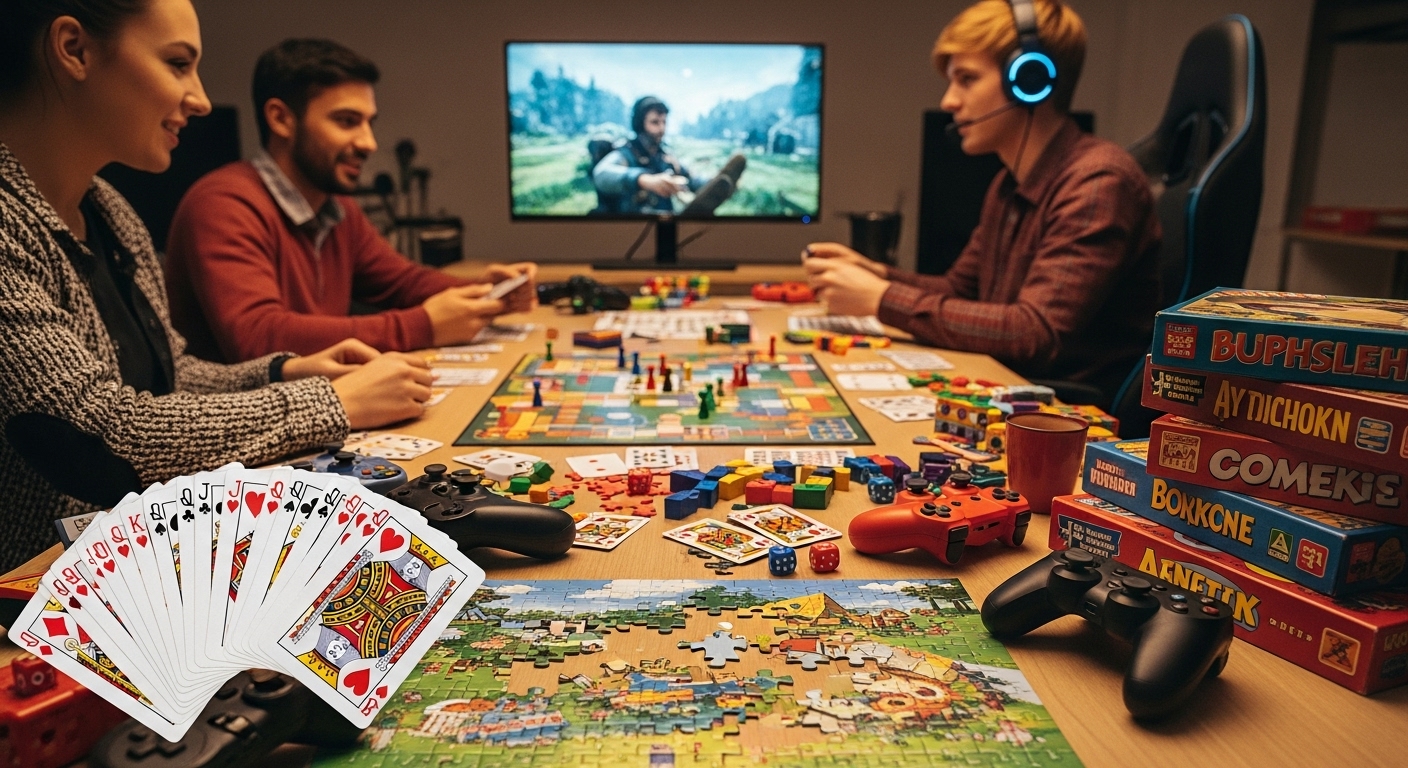
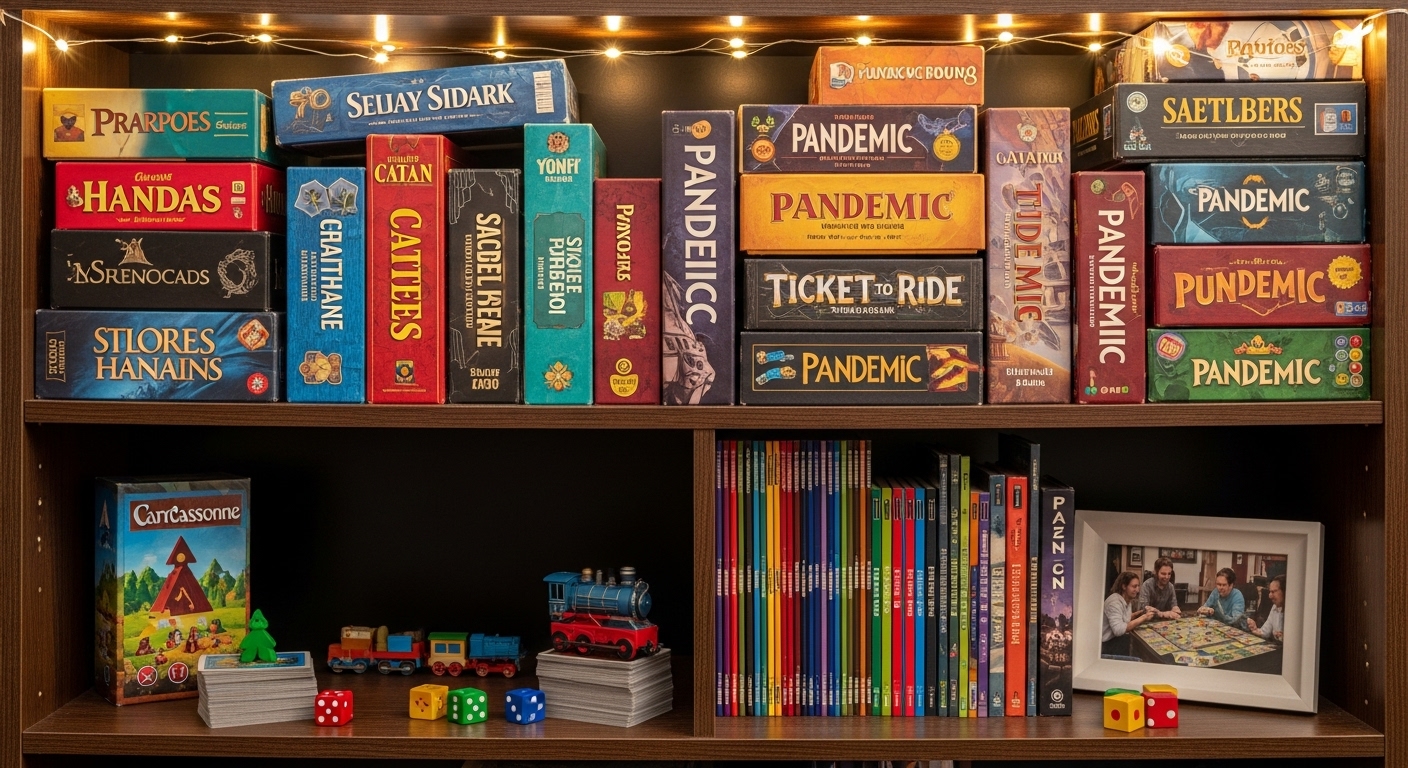
The world of games is incredibly diverse, catering to a wide range of interests and skills. Board and card games, such as chess, Monopoly, and poker, focus on strategy, planning, and probability. These games encourage critical thinking, patience, and foresight.
Physical and sports-based games, including soccer, basketball, and tag, promote fitness, coordination, and teamwork. Outdoor play also fosters problem-solving and social interaction, providing both physical and mental benefits.
Digital games, which include video games, mobile apps, and virtual simulations, offer immersive experiences that blend storytelling, strategy, and real-time decision-making. Genres such as role-playing, first-person shooters, simulation, and puzzle games provide unique challenges and engagement opportunities for players of all ages.
The Role of Games in Education
Games are increasingly recognized as powerful educational tools. Gamification—the integration of game mechanics into learning—enhances motivation, engagement, and retention. Educational games teach math, science, history, and language skills while promoting critical thinking and creativity.
Simulation games and strategy games allow learners to experiment in risk-free environments, fostering problem-solving and decision-making skills. Collaborative games enhance teamwork and communication, while interactive storytelling improves literacy and comprehension. Incorporating games into education encourages active participation, making learning enjoyable and effective.
Games and Cultural Impact
Games reflect and shape culture. Traditional games carry cultural significance, passing down history, values, and social norms across generations. Video games influence popular culture, inspiring movies, books, music, and fan communities.
Competitive gaming, or esports, has created a new form of professional sports culture, complete with tournaments, sponsorships, and global audiences. Games also influence social trends, fashion, and digital media, becoming a lens through which people connect, express identity, and engage with shared experiences.
Psychological and Therapeutic Benefits of Games
Beyond entertainment, games can have therapeutic applications. Puzzle games, strategy challenges, and certain video games promote cognitive rehabilitation and stress relief. Games offer a sense of control, accomplishment, and engagement, which can reduce anxiety and improve mood.
Therapeutic games are increasingly used in healthcare to support rehabilitation, mental health treatment, and cognitive development. The immersive and interactive nature of games provides motivation and engagement, making therapy more effective and enjoyable.
Games as a Career and Industry
The gaming industry has become a multi-billion-dollar global market, offering diverse career opportunities. Professional esports players compete at high levels, while streamers and content creators entertain and engage audiences worldwide. Game development, programming, design, and marketing provide additional avenues for employment.
The industry continues to grow, with advancements in virtual reality, augmented reality, and artificial intelligence creating new opportunities for innovation. Games have become not just a form of play but also a viable career path for creative, technical, and competitive talents.
Challenges and Criticisms of Games
Despite their benefits, games face criticism and challenges. Concerns include excessive screen time, addiction, and the potential for social isolation. Violent video games have sparked debates regarding their impact on behavior, though research indicates that moderation and guidance mitigate negative effects.
Balancing gaming with physical activity, social interaction, and other responsibilities is essential. Parents, educators, and players themselves must foster healthy gaming habits to maximize benefits while minimizing risks.
The Future of Games
The future of games is exciting and constantly evolving. Advances in technology, including virtual reality, augmented reality, and cloud gaming, are transforming the ways people play and interact with games. Artificial intelligence is enhancing game design, making experiences more dynamic and personalized.
Games are becoming increasingly integrated into education, healthcare, and social platforms, expanding their impact beyond entertainment. The continued growth of the gaming industry promises innovative gameplay, immersive storytelling, and opportunities for global collaboration and cultural exchange.
Conclusion: Games as a Cornerstone of Human Creativity and Connection
Games are far more than entertainment; they are a vital part of human experience. They promote cognitive, emotional, and social development while fostering creativity, strategy, and collaboration. From traditional board games to immersive digital experiences, games reflect cultural values, provide educational opportunities, and connect communities across the globe.
The evolution of games highlights their enduring relevance and potential. Whether for recreation, learning, professional competition, or therapy, games continue to shape minds, inspire creativity, and bring people together. They remind us that play is not a trivial pursuit but a fundamental human activity that nurtures skill, imagination, and connection.