





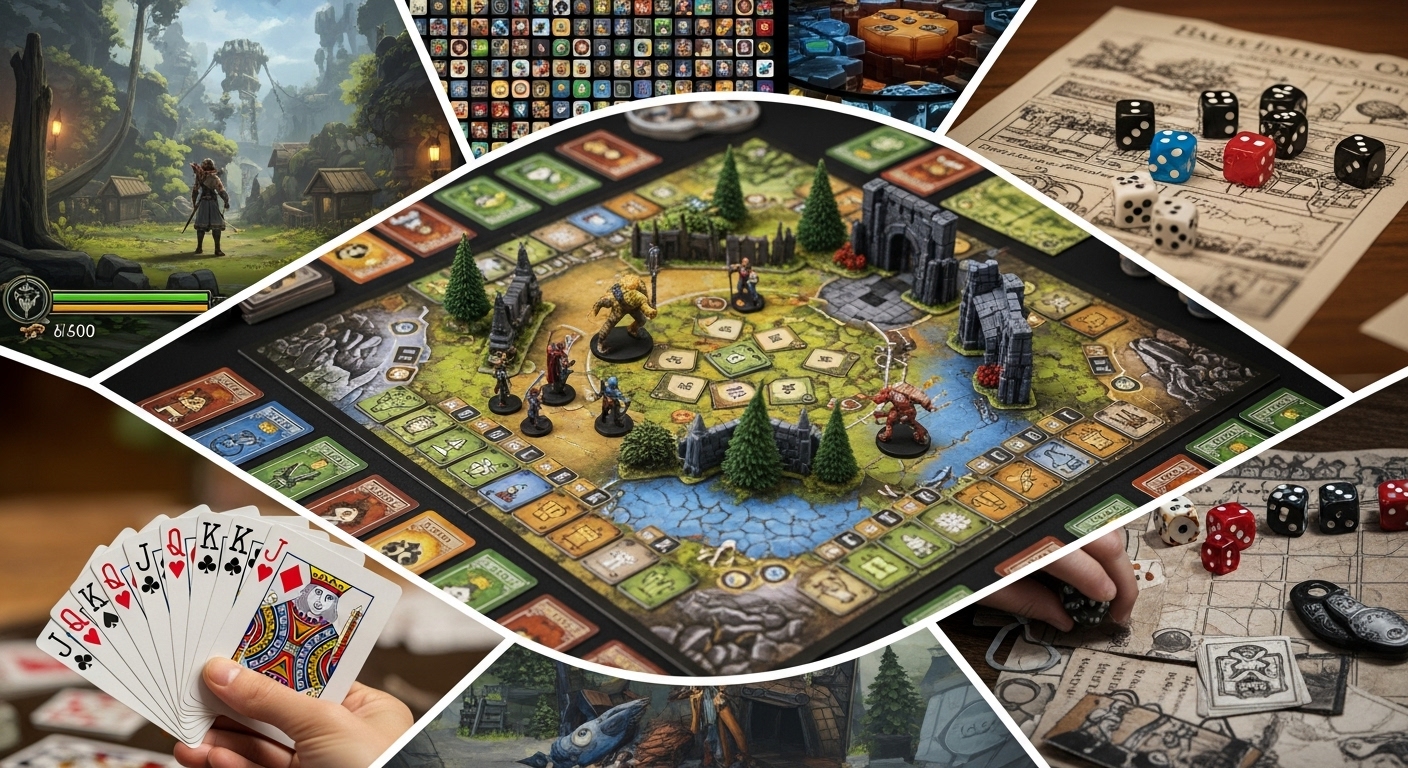
Games have been an integral part of human society for thousands of years. From ancient board games to modern video games, they serve as a source of entertainment, learning, social interaction, and cultural expression. Games challenge our minds, inspire creativity, and bring people together across generations and cultures. This blog explores the evolution of games, their impact on society, technological advancements, and the exciting future of gaming.
The Origins of Games
The history of games stretches back to the dawn of civilization. Early humans played games not only for amusement but also to develop strategic thinking, coordination, and social bonds. Archaeologists have discovered ancient games like Senet in Egypt and the Royal Game of Ur in Mesopotamia, demonstrating that games were used for both recreation and teaching skills.
Board games, dice, and physical contests were often tied to rituals and celebrations. They reflected cultural beliefs, social hierarchies, and even religious practices. The strategic and competitive nature of these early games set the foundation for the modern gaming experiences we enjoy today.
Board Games: Strategy and Social Interaction
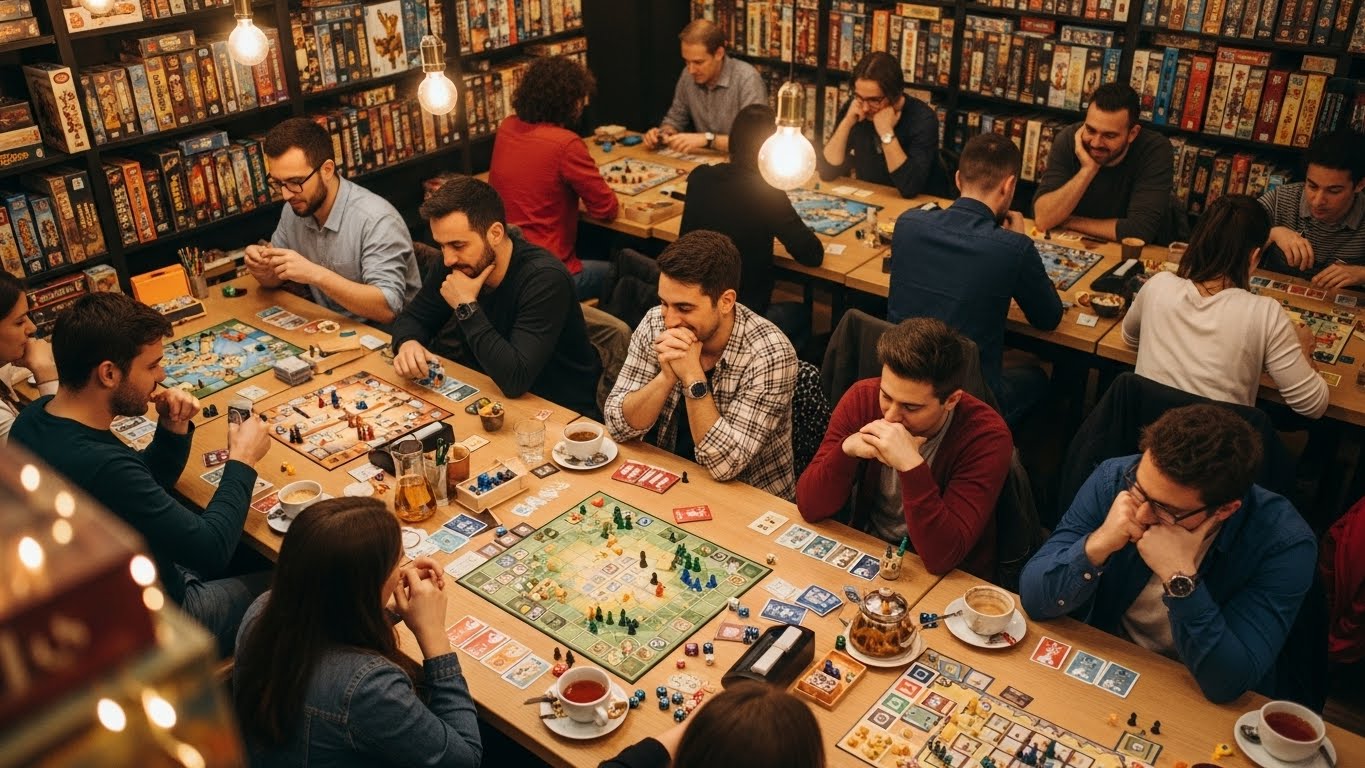
Board games have been a cornerstone of gaming for centuries. Classics such as chess, checkers, and backgammon challenge players to think critically, plan ahead, and adapt to their opponents’ strategies. These games are not only entertaining but also educational, improving problem-solving skills, memory, and logical reasoning.
In addition to mental stimulation, board games foster social interaction. They encourage communication, friendly competition, and collaboration. Modern board games have expanded beyond traditional classics, with complex strategy games, cooperative games, and role-playing board games offering immersive experiences for players of all ages.
Card Games: Skill, Luck, and Strategy
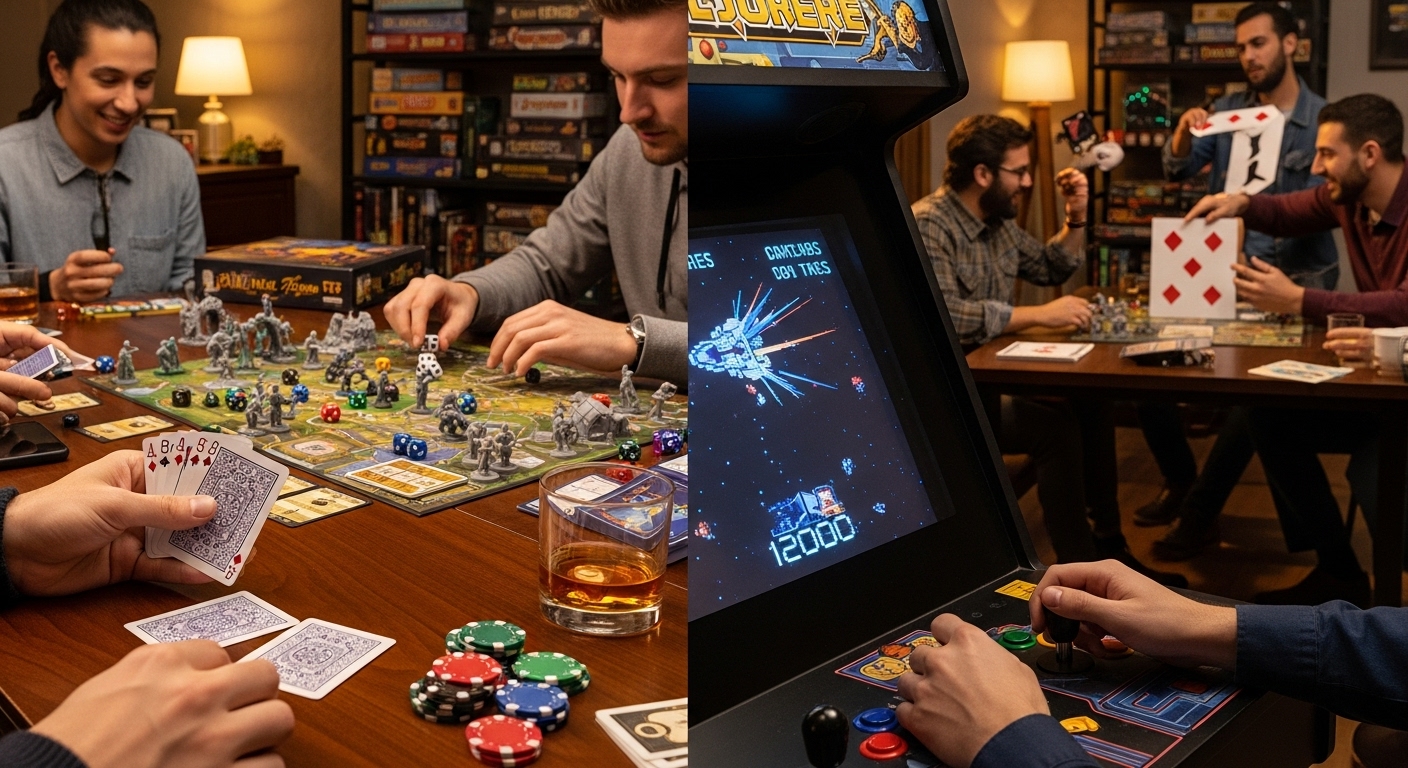
Card games have played a significant role in the evolution of games. They combine elements of luck, skill, and strategy, providing endless variety and excitement. Games like poker, bridge, and solitaire have captivated players for generations, while trading card games such as Magic: The Gathering and Pokémon bring creativity and competition to new levels.
Card games are highly adaptable, allowing players to create their own rules, variations, and strategies. They also serve as social entertainment, bringing friends and families together to share experiences and foster connections. The simplicity and portability of cards have contributed to their enduring popularity across cultures.
Physical Games and Sports
Physical games, including traditional sports and outdoor activities, play an important role in human development. Sports like soccer, basketball, and tennis encourage teamwork, discipline, and physical fitness. Traditional games such as tag, hide-and-seek, and hopscotch provide both fun and physical exercise for children.
These games are also deeply connected to culture and community. Sporting events unite people, generate excitement, and create shared experiences. Competitive play teaches resilience, fair play, and leadership skills. Physical games remain essential, even in a world dominated by digital entertainment, because they engage the body and mind in unique ways.
The Rise of Video Games
The late 20th century marked a significant shift in gaming with the emergence of video games. From simple pixelated arcade games to complex 3D environments, video games have become one of the most popular forms of entertainment worldwide. Classic games like Pac-Man, Tetris, and Super Mario Bros. paved the way for an industry that now spans consoles, PCs, and mobile devices.
Video games combine storytelling, strategy, and interactivity, allowing players to explore virtual worlds, solve puzzles, and engage in competition. They also foster creativity, as players design characters, build worlds, and experiment with different gameplay approaches. Video games have evolved from a niche hobby to a global phenomenon, influencing culture, media, and technology.
Online Multiplayer Games and Community
One of the most transformative aspects of modern gaming is online multiplayer games. Platforms that connect players globally allow individuals to collaborate, compete, and communicate in real-time. Games like World of Warcraft, Fortnite, and League of Legends have created massive communities and global esports ecosystems.
Online multiplayer games combine social interaction with competitive challenge. Players form teams, build strategies, and participate in tournaments that attract millions of viewers. These games foster a sense of belonging, teamwork, and camaraderie, bridging geographic and cultural divides. The rise of online gaming communities has redefined the social dimension of play.
Mobile Gaming: Accessibility and Innovation
Mobile gaming has democratized access to games, making entertainment available to virtually anyone with a smartphone or tablet. Casual games like Candy Crush, Angry Birds, and Clash of Clans have introduced gaming to a wide audience, while more complex games offer deep strategy and immersive storytelling.
Mobile gaming allows players to engage on the go, at home, or during breaks. Its accessibility has expanded the player base, attracted new demographics, and inspired innovation in game design. Features like in-app purchases, social sharing, and live updates keep players engaged and connected, making mobile gaming one of the fastest-growing sectors in the industry.
Esports: Competitive Gaming at the Highest Level
Esports, or competitive video gaming, has emerged as a major entertainment phenomenon. Professional gamers compete in tournaments for games like Dota 2, Counter-Strike: Global Offensive, and Call of Duty, drawing audiences comparable to traditional sports. Esports combines skill, strategy, and teamwork, creating thrilling experiences for both players and viewers.
The rise of esports has created new career opportunities, including professional players, coaches, analysts, commentators, and content creators. Streaming platforms allow fans to watch matches live, interact with players, and follow their favorite teams. Esports demonstrates how gaming has evolved into a legitimate, global entertainment industry with professional recognition.
Educational and Cognitive Benefits of Games
Games are not only entertaining; they also provide cognitive and educational benefits. Strategy games enhance problem-solving, critical thinking, and decision-making skills. Puzzle games improve memory, spatial reasoning, and concentration. Role-playing games encourage creativity, empathy, and communication skills.
Educational games are increasingly used in classrooms to teach math, science, history, and language. Gamified learning engages students in interactive experiences, reinforcing knowledge through play. This demonstrates that games can be a powerful tool for personal growth, development, and lifelong learning.
Cultural Impact of Games
Games reflect and influence culture in numerous ways. Traditional games preserve cultural heritage, while modern video games often incorporate art, music, storytelling, and historical references. Gaming also shapes trends in fashion, language, and social interaction.
Cosplay, fan art, streaming content, and gaming conventions highlight the cultural significance of games. They create spaces where communities celebrate creativity, storytelling, and shared experiences. Games have become a medium for cultural exchange, connecting people from diverse backgrounds through shared interests and collaborative play.
The Future of Gaming
The future of gaming promises innovation, immersion, and expansion. Emerging technologies like virtual reality, augmented reality, and artificial intelligence will create more interactive, realistic, and personalized experiences. Cloud gaming will allow high-quality games to be streamed on demand without expensive hardware.
Artificial intelligence will enhance gameplay by adapting challenges to player skill levels, improving storytelling, and creating dynamic game worlds. Social integration, cross-platform play, and immersive experiences will continue to evolve, making gaming more engaging, inclusive, and culturally influential.
Conclusion
Games are a fundamental aspect of human life, providing entertainment, education, social connection, and cultural expression. From ancient board games to modern esports, gaming has continually evolved, reflecting technological advances and societal trends. Games challenge our minds, engage our creativity, and bring people together in ways that few other activities can.
As the gaming industry continues to innovate with virtual reality, artificial intelligence, and global online communities, the possibilities for play are virtually limitless. Games are no longer just a pastime; they are a powerful medium for entertainment, learning, and cultural exchange. The world of games continues to expand, promising new experiences that will captivate and inspire generations to come.