





Introduction
Games have been an integral part of human culture for centuries. From ancient board games to modern digital experiences, games provide not only entertainment but also opportunities for learning, strategy, creativity, and social interaction. They challenge the mind, test reflexes, and offer immersive experiences that can transport players to entirely new worlds. In contemporary society, games are more than a hobby—they are tools for personal growth, platforms for community building, and even professional careers. This blog explores the multifaceted world of games, highlighting their impact on the brain, social life, creativity, and culture.
The Evolution of Games
Games have evolved alongside human civilization. Ancient societies engaged in strategic board games, such as chess or Go, which required tactical thinking and planning. Traditional outdoor games fostered physical skills, teamwork, and social bonds. With the advent of technology, games transformed dramatically. Video games introduced digital worlds where players could explore, compete, and create. Mobile games brought gaming to anyone with a smartphone, making it more accessible than ever. Today, games encompass board games, card games, sports, video games, and even augmented reality experiences, reflecting both human creativity and technological innovation.
Cognitive Benefits of Playing Games
Games are powerful tools for cognitive development. Strategy games enhance planning, logical thinking, and decision-making skills. Puzzle games stimulate problem-solving abilities and pattern recognition. Action and fast-paced games improve reflexes, hand-eye coordination, and spatial awareness. Multiplayer games teach collaboration, communication, and leadership, as players must work together to achieve common goals. Role-playing games encourage ethical reasoning and empathy by placing players in situations that require moral choices. Overall, games serve as interactive exercises for the brain, sharpening focus, adaptability, and critical thinking.
Games as a Source of Creativity
Many games encourage creativity and imagination. Sandbox games, for example, allow players to build and customize their own worlds, characters, and narratives. Role-playing games enable players to shape stories and explore different perspectives. Even competitive games inspire creative strategies, unique approaches, and innovative problem-solving. Beyond playing, games often inspire art, music, writing, and design, as players translate their experiences into creative expressions. Games provide a unique space where imagination can flourish without real-world limitations.
The Rise of Competitive Gaming and Esports
Competitive gaming, or esports, has become a global phenomenon. Professional players train for hours, mastering complex strategies and honing their reflexes. Major tournaments attract millions of viewers, and prize pools rival traditional sports events. Esports has created a professional ecosystem that includes players, coaches, analysts, commentators, and event organizers. The rise of esports demonstrates that games require discipline, teamwork, and strategic thinking, challenging the perception that gaming is purely recreational. It has also established gaming as a legitimate career path and cultural phenomenon.
Social Connections Through Games
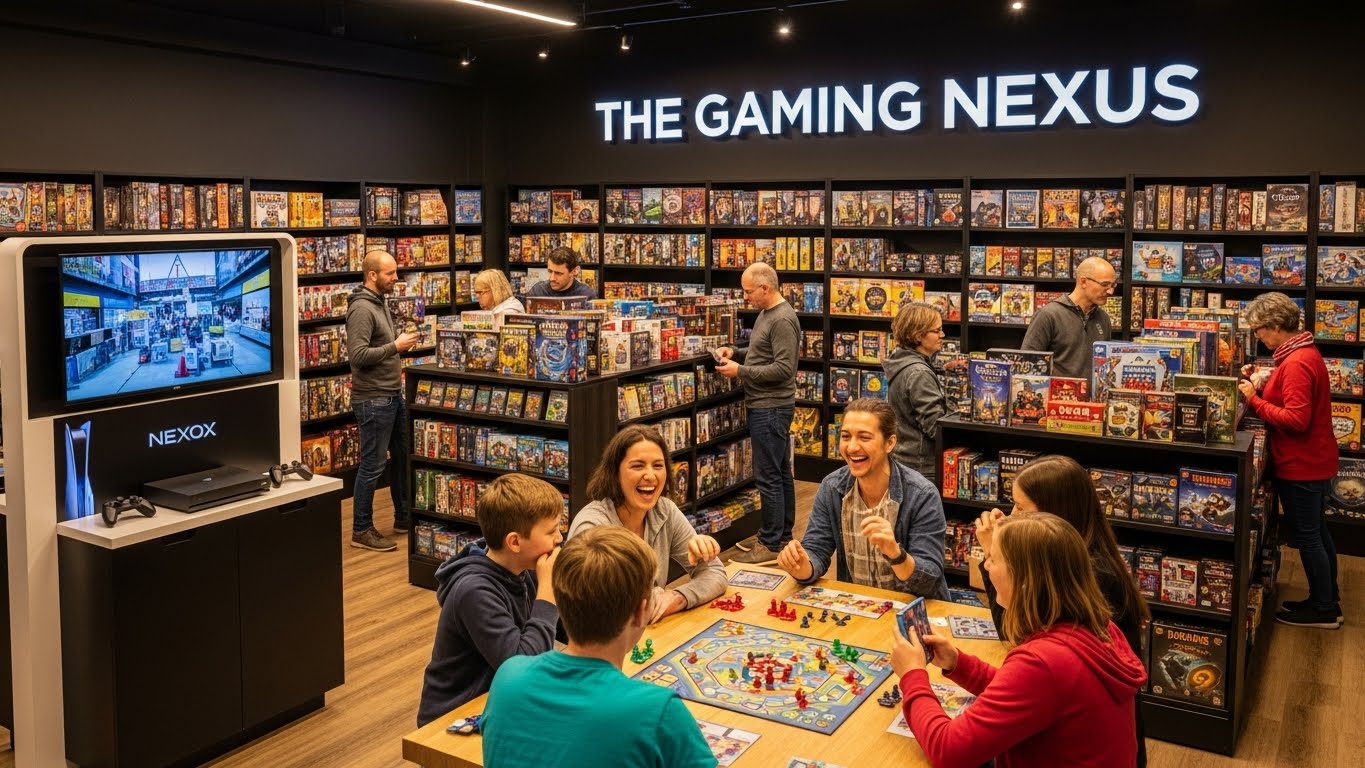
Games are inherently social, connecting people across regions, cultures, and age groups. Multiplayer games create virtual communities where players collaborate, compete, and communicate. Many friendships are formed and maintained through shared gaming experiences. Cooperative gameplay fosters teamwork, empathy, and negotiation skills, while competitive play encourages resilience and sportsmanship. Board games and card games also promote face-to-face social interaction, family bonding, and intergenerational connection. Through games, people find belonging, camaraderie, and a shared sense of purpose.
Games and Storytelling
Modern games are not just about winning or scoring points—they are immersive storytelling experiences. Narrative-driven games place players in rich, interactive worlds where choices influence outcomes. Games explore themes such as morality, identity, love, and loss, often evoking deep emotional responses. Unlike passive media, games require active participation, making the story personal and engaging. Role-playing games allow players to craft unique characters and experience consequences based on their decisions, fostering empathy and ethical reasoning. Games have emerged as one of the most interactive and emotionally compelling forms of storytelling.
Mental Health Benefits of Gaming
Games can provide important mental health benefits when enjoyed in moderation. They offer relaxation, stress relief, and a temporary escape from daily pressures. Cooperative and social games reduce feelings of isolation, creating opportunities for interaction and support. Certain games provide meditative or calming experiences that encourage mindfulness and focus. Playing games can also boost confidence, perseverance, and problem-solving skills, contributing positively to emotional well-being. Balanced gaming can be a form of self-care that combines enjoyment with cognitive and emotional growth.
Educational Value of Games
Many games have educational benefits, either directly or indirectly. Strategy games teach planning and resource management. Simulation games provide safe environments for experimenting with real-world concepts. Educational games cover subjects like mathematics, science, history, and language through interactive play. Even mainstream games enhance critical thinking, decision-making, and teamwork. Edutainment has become increasingly popular, blending fun with learning to make complex topics engaging and accessible. Games demonstrate that learning can be interactive, entertaining, and effective.
Technological Advancements in Gaming
Technology continues to redefine what games can offer. Virtual reality immerses players in fully interactive worlds, engaging multiple senses for unprecedented experiences. Augmented reality overlays digital elements onto the real world, creating unique interactive gameplay. Artificial intelligence makes in-game characters more dynamic and responsive. Cloud gaming allows access to high-quality games without expensive hardware, increasing accessibility for players worldwide. These technological advances expand the possibilities for gameplay, storytelling, and social connection, ensuring that games remain innovative and captivating.
Balancing Gaming with Everyday Life
While games offer many benefits, it is essential to maintain balance. Excessive gaming can interfere with work, education, relationships, and physical health. Setting boundaries, managing time effectively, and maintaining awareness of responsibilities ensure that gaming remains a positive and enriching activity. Mindful gaming allows players to enjoy entertainment, develop skills, and connect socially without negative consequences. Striking this balance transforms gaming into a meaningful and sustainable part of life.
Cultural Impact of Games
Games have become a significant cultural force. Iconic titles inspire art, music, literature, fashion, and social trends. Gaming conventions, tournaments, and online communities provide spaces for creative expression and shared enthusiasm. Games influence language, aesthetics, and behavior, shaping popular culture across generations. Their global reach bridges geographic and linguistic barriers, creating shared experiences for people around the world. Games are not just entertainment; they are an evolving cultural phenomenon that reflects and influences society.
The Future of Gaming
The future of gaming promises even greater innovation, immersion, and interactivity. Personalized experiences will adapt to individual preferences and skill levels. Virtual and augmented reality will become more widespread, providing immersive experiences that blur the line between digital and physical worlds. Artificial intelligence will create smarter and more engaging game environments. Social and competitive aspects of gaming will continue to grow, along with educational and professional applications. As technology evolves, games will continue to shape how people interact, learn, and connect.
Conclusion
Games today are far more than a source of entertainment. They are tools for cognitive development, creative expression, social connection, storytelling, and professional growth. They sharpen the mind, inspire imagination, and bring people together across cultures and generations. Technological advancements and cultural influence ensure that games will remain a dynamic and impactful medium for years to come. Whether as a hobby, a learning tool, or a professional pursuit, games enrich lives, challenge the mind, and foster connections that extend beyond the screen. They are a testament to the power of play and the enduring human desire to explore, create, and connect.