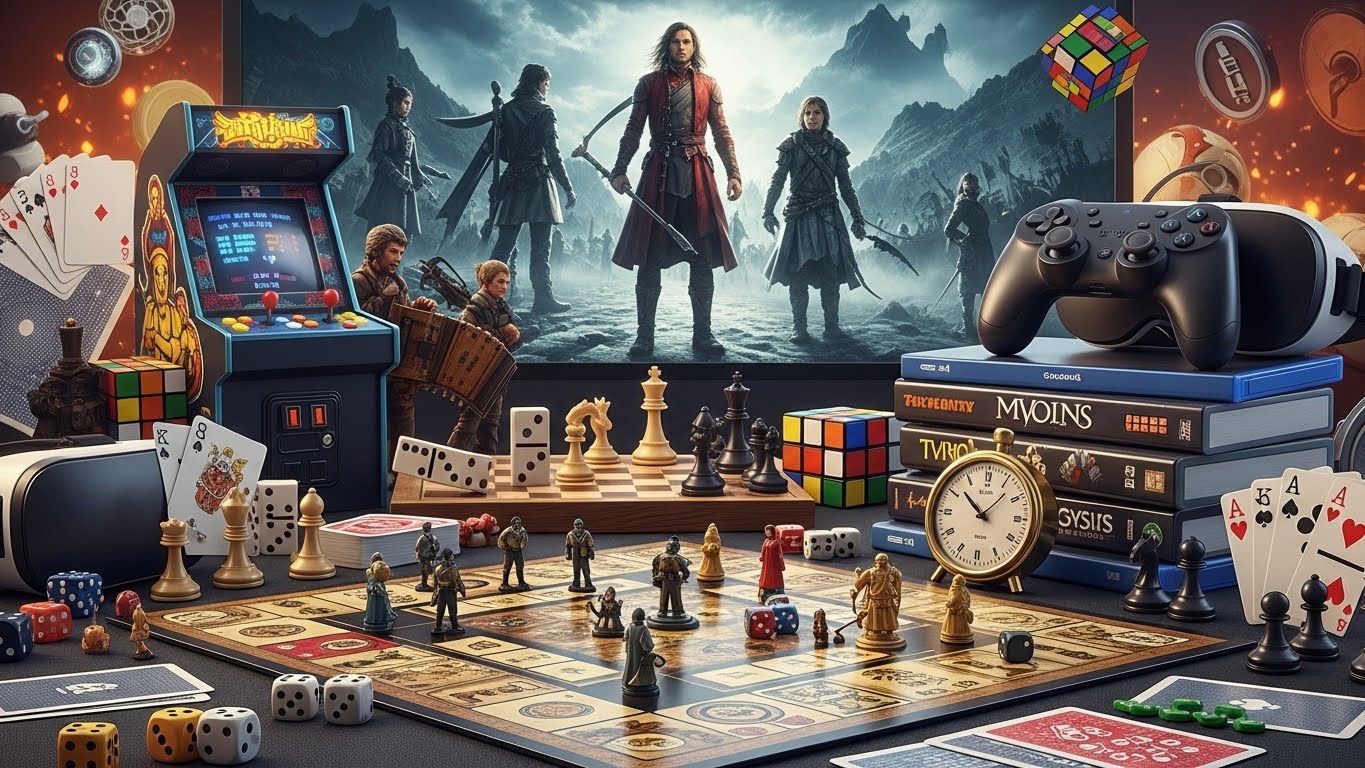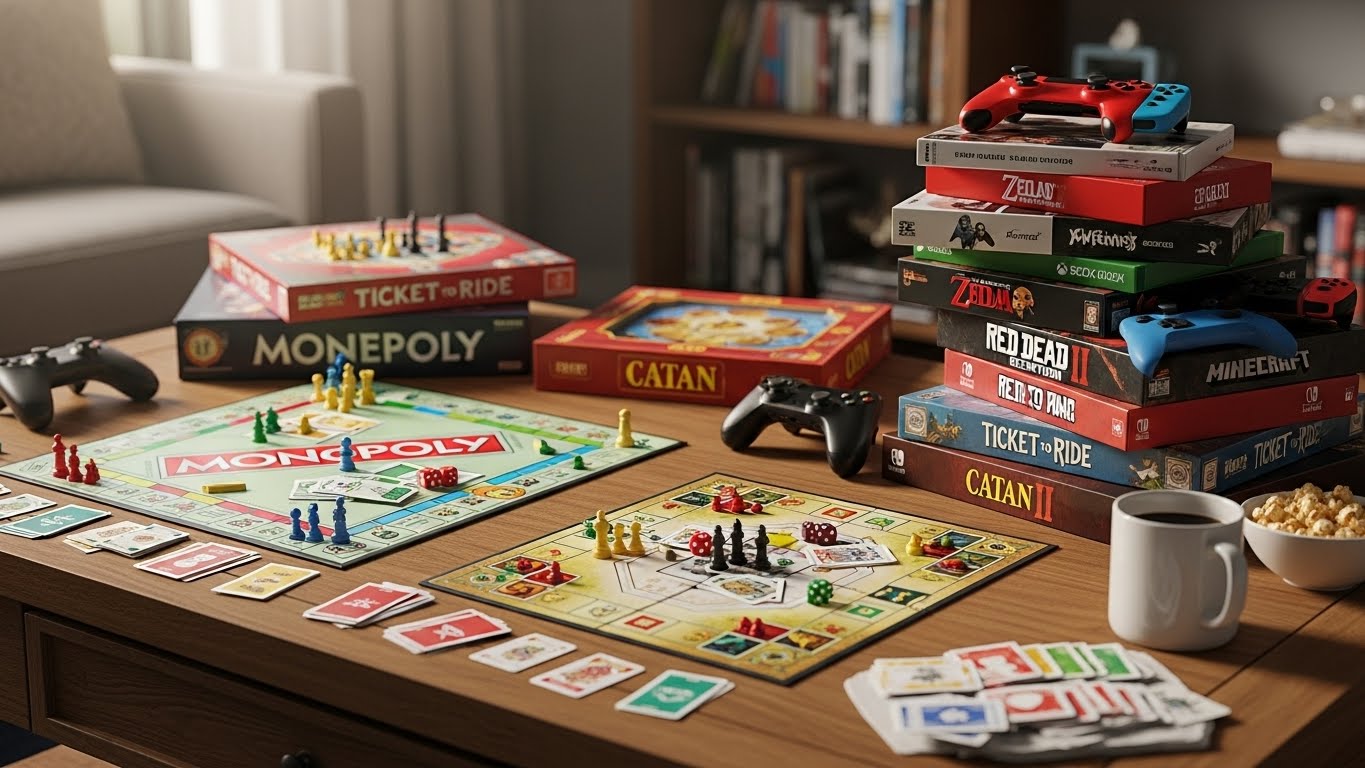





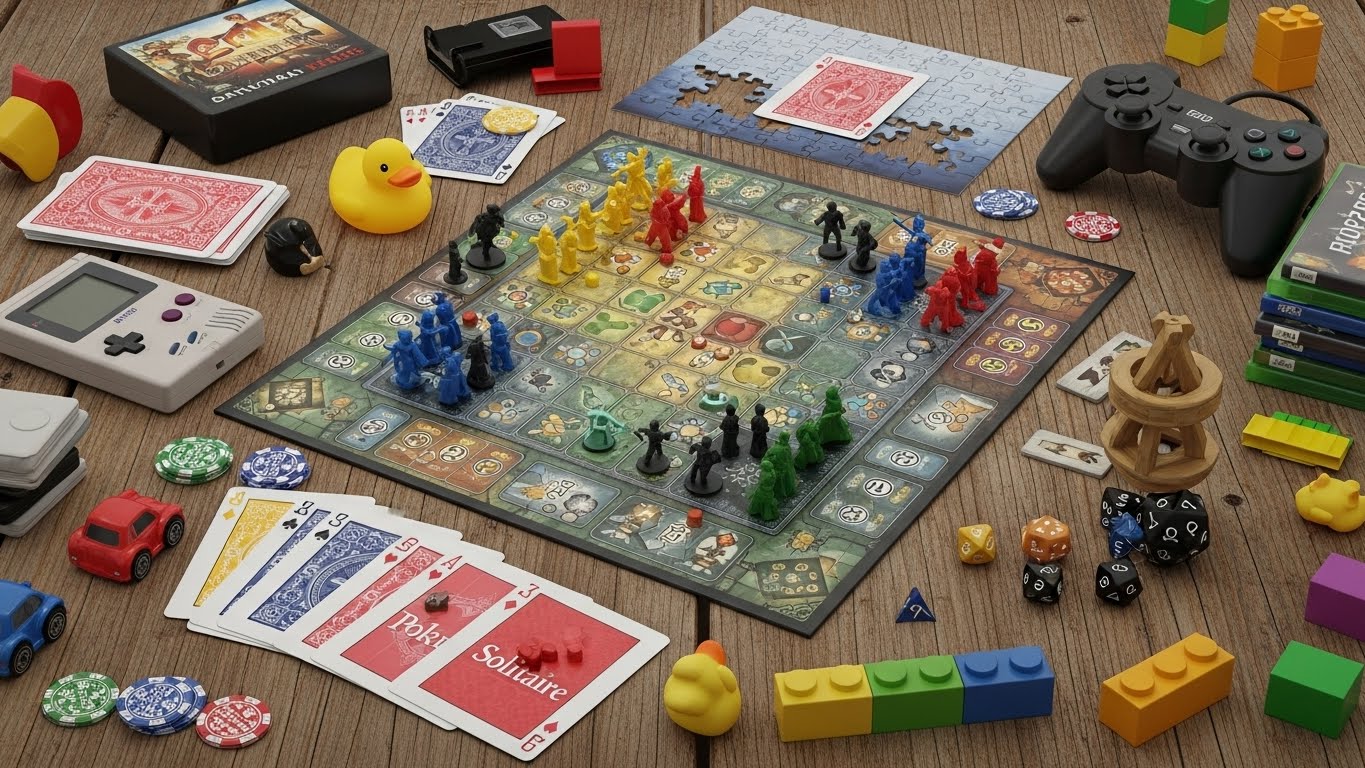
Games have always been an integral part of human culture. From ancient board games that brought people together to the complex digital worlds we immerse ourselves in today, gaming has evolved dramatically over the centuries. Whether it’s a friendly match of chess, a competitive game of football, or a digital battle in an expansive open world, games provide not just entertainment, but also opportunities for socialization, problem-solving, and personal growth. In this blog, we will explore the fascinating evolution of games, how they have shaped our societies, and what the future of gaming might look like.
The Origins of Games: From Ancient Civilizations to Social Interaction
The history of games stretches back thousands of years, with evidence of early games found in nearly every civilization. Long before video games were even a concept, people created games as a means of entertainment, relaxation, and intellectual challenge. These games often reflected the cultures and technologies of the time.
The Early Beginnings: Board Games and Dice
One of the earliest forms of gaming can be traced to the use of board games and dice. The ancient Egyptians played a game called Senet, which dates back to around 3100 BCE. The game was not just a pastime but also had spiritual significance, believed to be a reflection of the journey of the soul in the afterlife. Similarly, the Greeks and Romans enjoyed games like Petteia and Ludus Latrunculorum, strategic games that resembled modern-day chess and checkers.
Dice, too, have a long history, with some of the earliest known examples found in ancient Mesopotamia. The use of dice in games was not just for entertainment; it was often intertwined with elements of chance and fortune, influencing everything from decision-making in warfare to the outcomes of rituals.
The Birth of Chess and Other Strategy Games
Arguably, one of the most influential games in the world’s gaming history is chess. Originating in India around the 6th century CE, chess evolved from the game Chaturanga, which was a strategy game played on an 8×8 board, similar to modern chess. As chess spread to Persia and then to Europe, it transformed into the game we know today. Chess became not only a form of entertainment but also a symbol of intellectual prowess, often associated with strategic thinking, planning, and mental agility.
In addition to chess, other games like Go in China and Backgammon in the Middle East provided people with opportunities for social interaction and mental challenge. These games, though simple in their structure, have stood the test of time and continue to be enjoyed by millions around the world.
The Evolution of Games: From Paper to Pixels
While traditional games like chess and board games remained popular for centuries, the invention of new technologies in the 20th century brought about a seismic shift in the world of gaming. The rise of electronics and, later, computers paved the way for the first video games, changing the landscape of gaming forever.
The Dawn of Video Games: From Arcade to Console
The first video games were simple and primitive by today’s standards, but they laid the foundation for the global gaming industry. The 1950s and 1960s saw the development of early computer games like Tennis for Two and Spacewar!, which were primarily played on large, expensive computers. However, it was in the 1970s that video games began to enter the mainstream.
In 1972, Pong by Atari became one of the first commercially successful video games. A simple game that mimicked table tennis, Pong was played on a television screen and quickly became a sensation. The success of Pong led to the creation of arcade video games, and the 1980s witnessed the rise of iconic titles like Pac-Man, Donkey Kong, and Space Invaders, which became cultural phenomena. Arcades became gathering places for young people, where they could compete against each other and challenge themselves in new, immersive ways.
In parallel, home gaming consoles like the Atari 2600 and Nintendo Entertainment System (NES) emerged, bringing video games directly into people’s living rooms. The 1980s and 1990s were a golden era for console gaming, with franchises like Super Mario, The Legend of Zelda, and Sonic the Hedgehog becoming household names.
The Rise of PC Gaming
The development of personal computers in the 1980s and 1990s also played a pivotal role in the growth of gaming. PC gaming opened up a whole new world of possibilities, with complex strategy games like Civilization and Command & Conquer, as well as first-person shooters like Doom and Quake. These games pushed the limits of technology at the time, offering immersive experiences that could not be replicated on consoles.
The 1990s also saw the birth of massively multiplayer online role-playing games (MMORPGs), with titles like World of Warcraft becoming cultural landmarks. These games allowed players to connect with each other over the internet and explore virtual worlds, creating vibrant online communities and redefining the way games were played.
The Modern Gaming Era: High-Tech Graphics and Online Connectivity
The turn of the 21st century marked a dramatic shift in gaming, with technology rapidly advancing and creating more immersive and complex experiences. Modern games are not just about entertainment—they are multi-faceted platforms that involve storytelling, social interaction, and creative expression.
Cutting-Edge Graphics and Virtual Worlds
One of the most noticeable advancements in modern gaming has been in the field of graphics. With the advent of high-definition displays, powerful graphics cards, and game engines like Unreal Engine and Unity, developers can now create hyper-realistic environments and characters. Games like The Last of Us, Red Dead Redemption 2, and Cyberpunk 2077 push the boundaries of visual fidelity, offering players experiences that are almost indistinguishable from reality.
Moreover, virtual reality (VR) and augmented reality (AR) have emerged as game-changers in the world of gaming. VR headsets like the Oculus Rift and PlayStation VR allow players to fully immerse themselves in digital worlds, while AR games like Pokémon Go overlay virtual elements onto the real world, blending the two in exciting ways.
The Rise of Online Multiplayer Games
Another key development in modern gaming is the rise of online multiplayer games. With the widespread availability of high-speed internet, players can now compete against or cooperate with others from around the world in real time. Games like Fortnite, League of Legends, and Call of Duty have transformed gaming into a global, social activity, with millions of players logging on every day to compete in large-scale matches.
Online multiplayer games have not only changed the way we play but also the way we connect. Esports has become a global industry, with tournaments offering millions of dollars in prizes and professional gamers gaining celebrity status. Streaming platforms like Twitch allow players to broadcast their gameplay and interact with viewers, creating a new form of entertainment and community.
Mobile Gaming: Gaming on the Go
In addition to console and PC gaming, the rise of smartphones has opened up a new frontier for gaming. Mobile gaming is now a dominant force in the industry, with games like Candy Crush, Clash of Clans, and PUBG Mobile attracting millions of players worldwide. The convenience of gaming on mobile devices has made it accessible to a broader audience, and the simplicity of many mobile games allows players to enjoy gaming in short bursts, making it ideal for busy lifestyles.
The Future of Gaming: What Lies Ahead?
As technology continues to evolve, the future of gaming looks more exciting than ever. The possibilities seem endless, with advancements in artificial intelligence (AI), machine learning, and cloud gaming shaping the next frontier of interactive entertainment.
Cloud Gaming and Streaming Services
Cloud gaming is one of the most anticipated developments in the gaming world. Services like Google Stadia, Microsoft’s Xbox Cloud Gaming, and NVIDIA’s GeForce NOW allow players to stream games directly to their devices without needing powerful hardware. This technology makes high-end gaming more accessible, as players can enjoy graphically intensive games on a variety of devices, from smartphones to low-end laptops.
The Rise of AI in Gaming
AI is poised to revolutionize gaming by creating more intelligent, dynamic, and responsive worlds. Developers are already using AI to create lifelike characters that react realistically to player actions, as well as to generate procedurally generated content, ensuring that no two gaming experiences are the same. As AI continues to improve, we can expect more personalized and adaptive gaming experiences that feel alive and reactive.
The Intersection of Gaming and Other Media
In the future, games may become even more integrated with other forms of entertainment. Interactive movies, where players control the narrative in real-time, could become mainstream, blending the best elements of gaming and film. We may also see the expansion of cross-media experiences, where games, movies, and TV shows exist in the same universe, allowing for a deeper level of storytelling and interaction.
Conclusion: Gaming as a Cultural Force
The world of games has come a long way from the early days of dice and board games. Today, gaming is a global phenomenon that has transcended entertainment to become a form of cultural expression, social interaction, and artistic achievement. Whether played on a smartphone, PC, console, or in virtual reality, games have the power to connect us, challenge us, and inspire us in ways that few other media can. As technology continues to evolve, the future of gaming holds exciting new possibilities, promising even richer and more immersive experiences for players worldwide. The journey of gaming is far from over, and its impact on culture, society, and technology will only continue to grow.