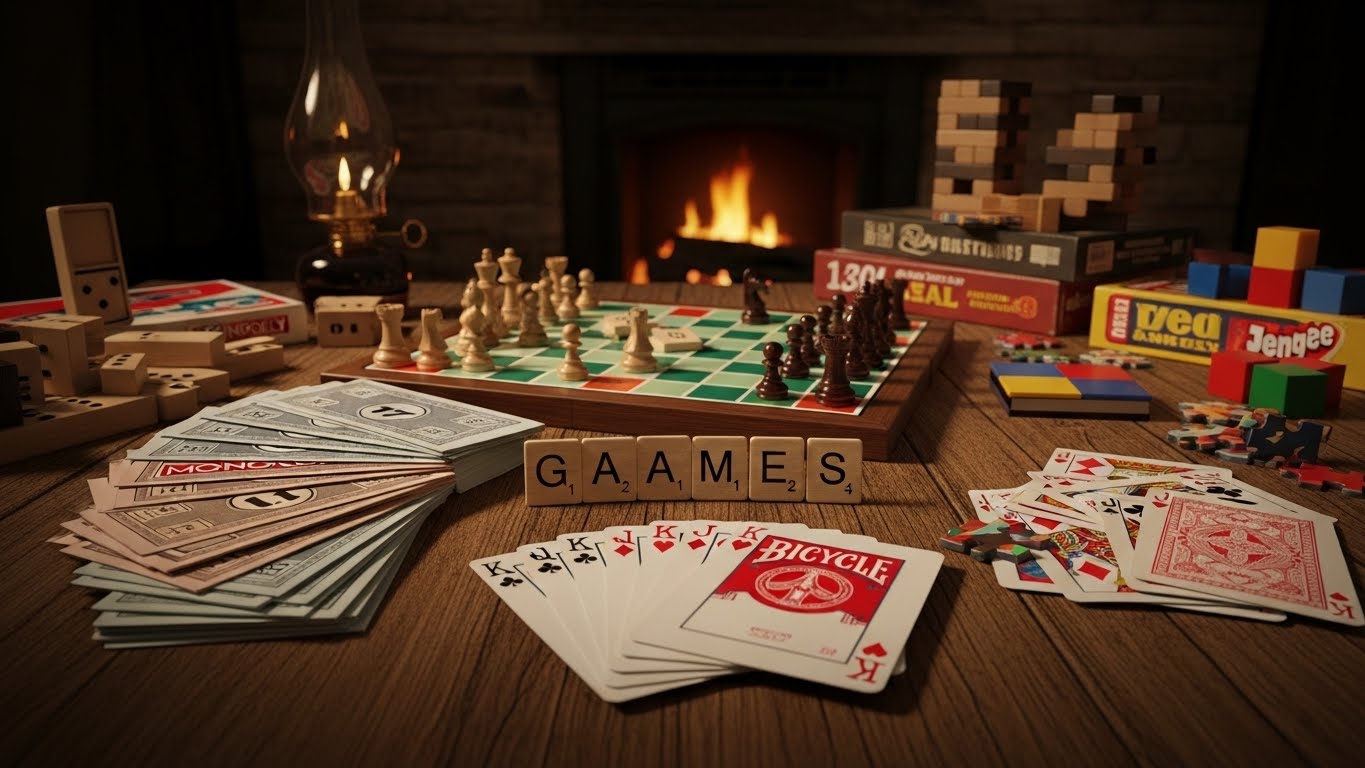






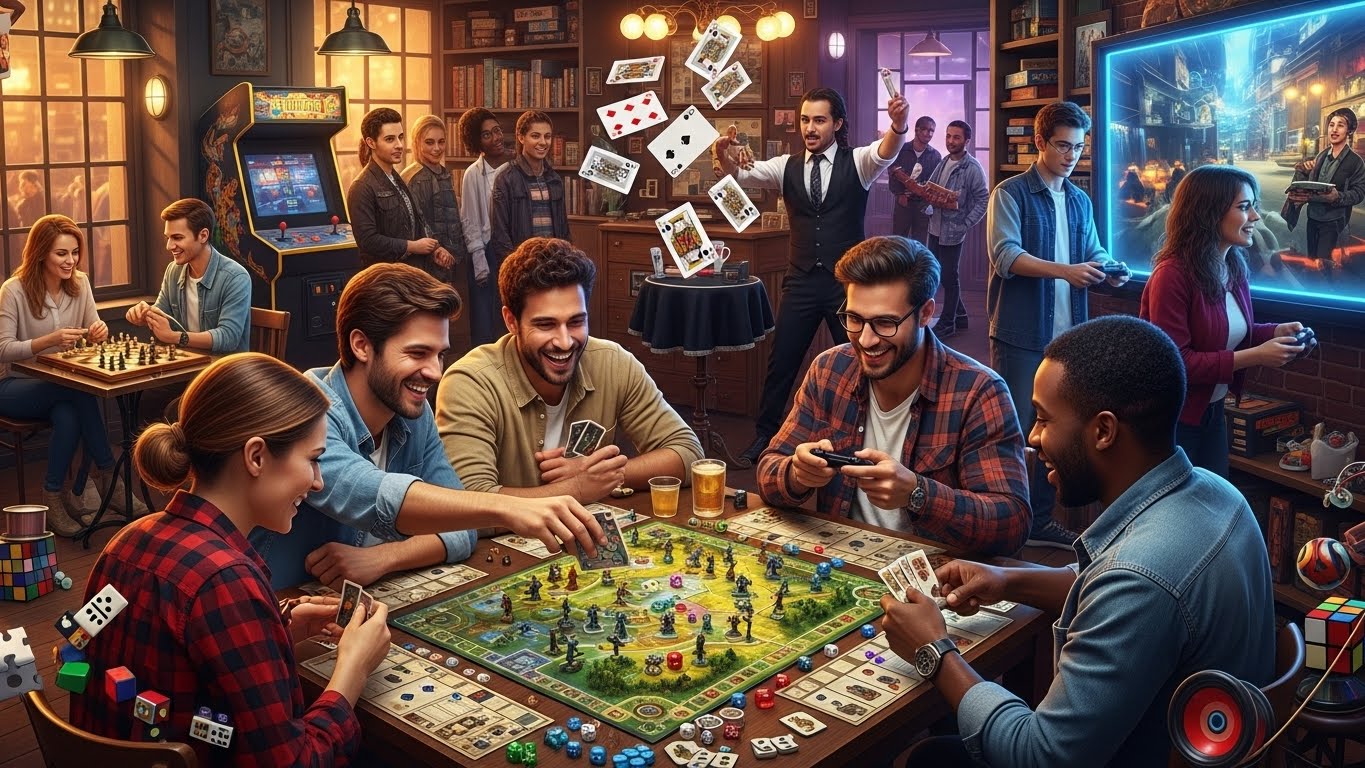
Games are more than a way to pass time. They are experiences that shape thinking, encourage creativity, build relationships, and reflect the evolution of human culture. From childhood play to competitive esports, games influence how people learn, communicate, and relax. In a world driven by technology and constant change, games have become a powerful medium that blends entertainment with education, social interaction, and personal growth. This blog explores the importance of games, their impact on individuals and society, and why they continue to hold a central place in modern life.
The Origins and Evolution of Games
Games have existed since ancient civilizations. Early humans used games as tools for learning survival skills, building social bonds, and passing down traditions. Ancient board games, physical contests, and storytelling-based challenges helped communities develop strategic thinking and cooperation. These early forms of play were deeply connected to culture and often held symbolic meaning.
As societies advanced, games evolved in complexity and variety. Card games, chess, and sports became popular across different regions, each reflecting the values and lifestyles of the people who played them. The digital revolution marked a major turning point, introducing video games that transformed play into an interactive and immersive experience. Today, games exist in countless forms, from simple mobile apps to massive virtual worlds, proving that the desire to play is a fundamental part of human nature.
Games as a Source of Entertainment and Escape
One of the primary roles of games is entertainment. They offer an escape from daily routines and responsibilities, allowing players to enter worlds filled with adventure, competition, and imagination. Whether it is solving puzzles, exploring fantasy landscapes, or competing in fast-paced matches, games provide excitement and enjoyment that refresh the mind.
This sense of escape is especially valuable in stressful times. Games allow players to focus on achievable goals, shifting attention away from real-world worries. The immersive nature of gameplay creates a mental break that can restore energy and improve mood. Unlike passive entertainment, games actively engage the player, making the experience more rewarding and memorable.
Mental and Cognitive Benefits of Games
Games are powerful tools for mental development. Many games challenge players to think critically, plan ahead, and adapt to changing situations. Strategy games encourage long-term thinking and resource management, while puzzle games sharpen problem-solving skills and logical reasoning. Action games improve reaction time, hand-eye coordination, and focus.
Role-playing games and simulations often require decision-making based on consequences, helping players develop analytical skills and judgment. Over time, these mental exercises strengthen memory, concentration, and cognitive flexibility. Games provide a unique learning environment where mistakes are part of progress, encouraging experimentation and growth without real-world risks.
Emotional Growth Through Gameplay
Games also contribute to emotional development. They teach players how to handle success, failure, and perseverance. Losing a match or failing a level can be frustrating, but overcoming these challenges builds patience and resilience. The sense of achievement that comes from mastering a difficult task boosts confidence and motivation.
Story-driven games add another emotional layer by presenting characters, relationships, and moral dilemmas. Players become emotionally invested in narratives, experiencing empathy and understanding different perspectives. These emotional connections help players reflect on real-life situations and develop emotional intelligence. Games become more than entertainment; they become experiences that leave lasting impressions.
Social Connections Built Through Games
Modern games are highly social. Multiplayer and cooperative games bring people together, encouraging teamwork, communication, and collaboration. Players work toward shared goals, develop strategies, and build trust with teammates. These interactions often lead to friendships that extend beyond the game itself.
Games also connect people across cultures and age groups. Online platforms allow players from different countries to interact, breaking down barriers and fostering global communities. Even traditional games played at home strengthen family bonds and friendships. Through shared experiences and friendly competition, games create social connections that enrich lives.
Games as a Medium for Creativity
Creativity plays a central role in games. Developers design worlds, stories, characters, and mechanics that spark imagination. At the same time, players express creativity through their choices, strategies, and play styles. Sandbox games allow players to build, design, and experiment freely, turning them into creators rather than just participants.
Games inspire creative thinking by encouraging players to find unique solutions to challenges. Many players extend this creativity beyond gameplay through fan art, storytelling, and custom designs. The creative freedom offered by games makes them a powerful outlet for self-expression and innovation.
Physical Engagement and Health Aspects
While games are often associated with sitting and screens, many modern games promote physical activity. Motion-based games and virtual reality experiences require movement, coordination, and balance. These games combine exercise with fun, making physical activity more enjoyable and accessible.
Games can also support mental health when played in moderation. They provide relaxation, reduce stress, and offer a sense of control and accomplishment. However, balance is essential. Healthy gaming habits include regular breaks, physical movement, and time for other activities. When integrated responsibly, games can be a positive part of a healthy lifestyle.
Games and Learning Beyond the Classroom
Games are increasingly used as educational tools. Educational games make learning interactive and engaging, helping players understand complex concepts through play. History games bring past events to life, while simulation games teach problem-solving, leadership, and decision-making skills.
Even non-educational games contribute to learning by developing transferable skills such as teamwork, communication, and adaptability. Players learn to analyze situations, manage resources, and work under pressure. These skills are valuable in academic, professional, and personal contexts, proving that games can support learning in meaningful ways.
The Cultural Influence of Games
Games have become a significant cultural force. They influence art, music, fashion, and storytelling across media. Iconic characters and game worlds are recognized globally, shaping popular culture and inspiring creative works. Gaming events, competitions, and conventions bring fans together, celebrating shared passions and creativity.
Games also reflect social issues and human experiences. Many explore themes such as identity, morality, conflict, and cooperation. By engaging with these themes, players gain insight into societal challenges and diverse perspectives. Games serve as both mirrors and storytellers of modern culture.
The Rise of Competitive and Professional Gaming
Competitive gaming has transformed play into a professional pursuit. Esports tournaments attract millions of viewers and offer opportunities for skilled players to build careers. Competitive gaming requires discipline, teamwork, strategic thinking, and mental strength, similar to traditional sports.
Streaming and content creation have also expanded the gaming ecosystem. Players share gameplay, tutorials, and entertainment with audiences worldwide, turning passion into profession. This growth highlights the legitimacy of gaming as a serious and influential industry.
The Future of Games
The future of games is filled with innovation. Advances in technology continue to push boundaries, creating more immersive and interactive experiences. Virtual environments are becoming more realistic, while artificial intelligence enhances storytelling and gameplay dynamics.
As technology evolves, games will continue to blend with daily life, education, and social interaction. They will become more personalized, accessible, and inclusive. The future promises games that not only entertain but also inspire, teach, and connect people in new and meaningful ways.
Conclusion: Games as a Powerful Human Experience
Games are not just activities; they are experiences that shape how people think, feel, and connect with others. They entertain, educate, challenge, and inspire. From ancient traditions to digital worlds, games have always been a reflection of human creativity and curiosity.
In today’s world, games offer more than fun. They provide opportunities for growth, learning, and connection in an increasingly complex society. Whether played alone or with others, games enrich life by turning challenges into adventures and imagination into reality. As long as humans seek joy, challenge, and connection, games will continue to play a vital role in shaping our world.