




Introduction: The Universal Joy of Play
Games are woven into the fabric of human culture. Whether it’s a simple card game played with family members, a complex board game designed for strategy enthusiasts, or an immersive video game played on the other side of the world, the concept of play transcends time, age, and geographic boundaries. It is a universal experience that brings people together, encourages competition, and fosters creativity.
From the ancient civilizations to the digital age, games have evolved significantly, adapting to new technologies and changing societal norms. However, despite these changes, one thing remains constant: the joy of playing. In this blog post, we will explore the evolution of games, their various forms, and the unique experiences they offer. We will also delve into how games have impacted our social lives, influenced our development, and continue to shape our future.
The Origins of Gaming: Ancient Playgrounds
The roots of gaming go back thousands of years. Some of the earliest forms of games were simple activities, designed to entertain but also to teach, challenge, and even serve as rituals. Ancient Egyptians, for example, played Senet, one of the oldest known board games, believed to represent the journey of the soul through the afterlife. The game of Go, originating in China around 2,500 years ago, is another ancient pastime that remains immensely popular today, known for its deep strategic elements.
What is remarkable about these ancient games is how they combined elements of fun, social bonding, and mental stimulation. These games were not only entertainment; they were tools for teaching strategy, testing patience, and providing insight into the human condition. Their complexity was not necessarily in their rules, but in the choices players made—much like the games of today.
The Rise of Modern Board Games and Card Games
As centuries passed, the concept of games expanded beyond the ritualistic and became a widespread form of social entertainment. By the 19th century, the industrial revolution made it possible for mass-produced games to reach the public, and this led to the rise of modern board games and card games.
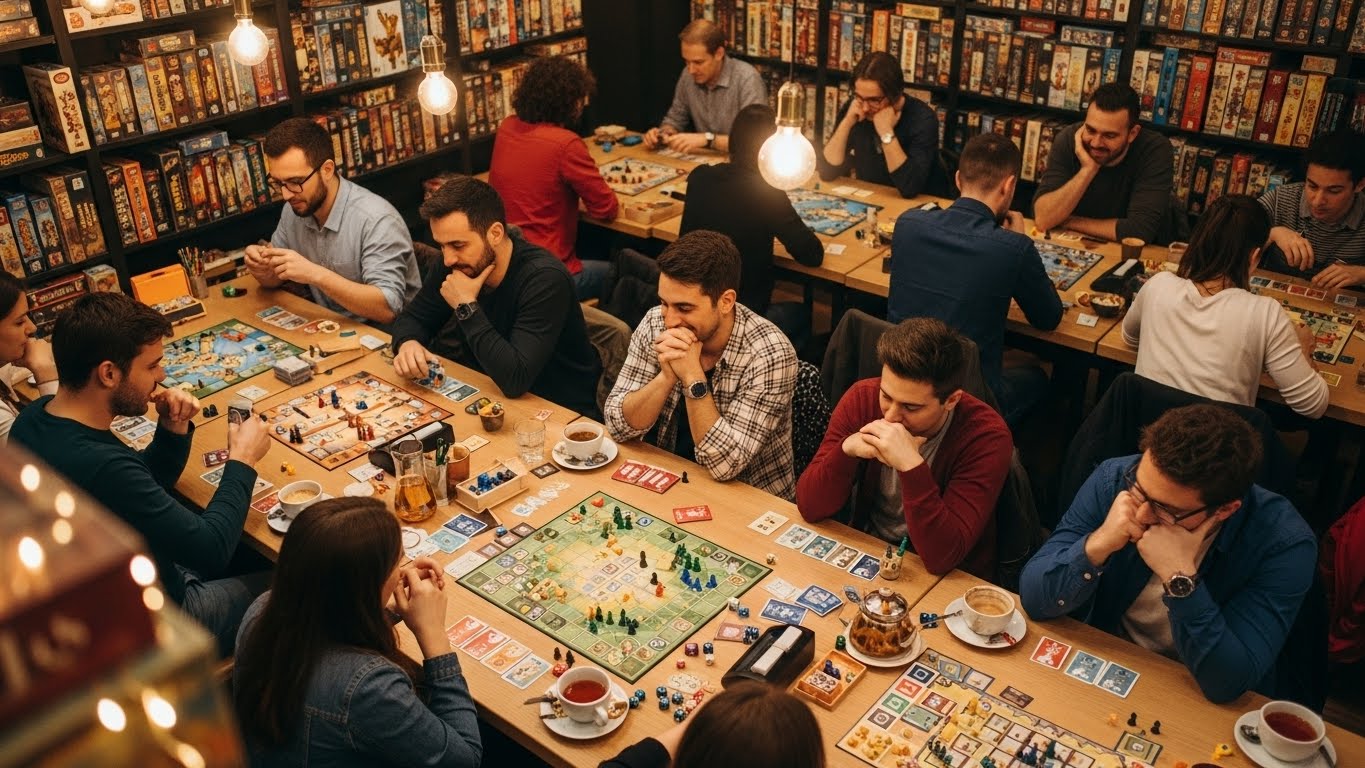
The success of games like Monopoly, Scrabble, and Clue during the 20th century can be attributed to their ability to bring people together around a common goal. These games were more than just entertainment; they were opportunities for people to engage in light-hearted competition while fostering social interaction. Board games and card games often required participants to think critically, negotiate with others, and practice patience, all while having fun in the process.
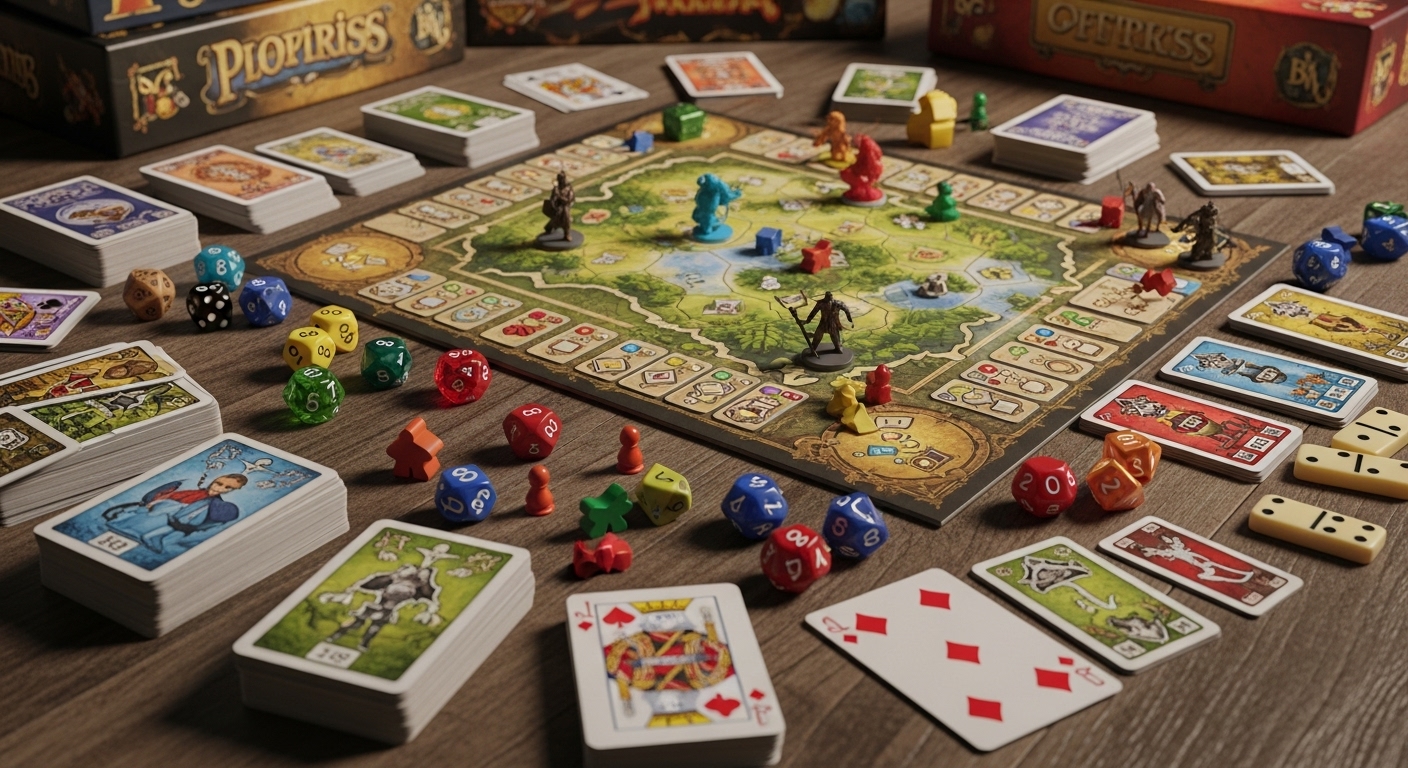
What makes board and card games special is their simplicity. They can be played in various settings—around a kitchen table, in a living room, or even in a park. They do not require high-end equipment, advanced technology, or internet connections. All they need is a group of players and a willingness to engage. This accessibility, along with the chance to challenge oneself and others, is why board games continue to thrive in the digital age.
The Advent of Video Games: A New Era of Interactive Entertainment
The 20th century marked a turning point in the evolution of games with the advent of video games. Video gaming as we know it today began in the early 1970s with the release of arcade games like Pong and Space Invaders. These games, although simple by today’s standards, introduced a whole new way to engage with entertainment—one that combined visual art, music, and interactive elements into a cohesive experience.
The 1980s saw the rise of home consoles, such as the Atari 2600 and the Nintendo Entertainment System (NES), which brought gaming into the living rooms of millions. These consoles introduced players to iconic characters and game worlds, such as Mario in Super Mario Bros., and the evolution of video gaming as both a form of entertainment and an art form began in earnest.
Video games introduced something that traditional board games and card games could not: immersion. Games like The Legend of Zelda, Final Fantasy, and Metroid offered players intricate storylines, vast fantasy worlds to explore, and gameplay that required both skill and strategy. The next few decades saw a rise in the sophistication of both game design and graphics, with consoles like the Sony PlayStation, Xbox, and the Nintendo 64 introducing 3D environments, better soundtracks, and more dynamic gameplay mechanics.
The Digital Revolution: Online Multiplayer Games
As the internet became more widely accessible in the late 1990s and early 2000s, gaming took another giant leap forward. The introduction of online multiplayer gaming opened up a whole new world of possibilities. No longer were players restricted to a single-player experience or the confines of their living rooms. They could now compete, cooperate, and socialize with people from around the world in real-time.
Games like World of Warcraft, StarCraft, and Counter-Strike became pioneers in the online gaming revolution. These games brought players together in massive online worlds, where they could interact, form alliances, and compete in virtual battles. The introduction of matchmaking systems and in-game communication tools made it easier for players to team up with others, creating a truly global gaming community.
The rise of esports—professional competitive gaming—further fueled the popularity of online games. Esports tournaments, such as those for League of Legends, Dota 2, and Fortnite, have attracted millions of viewers and offered substantial cash prizes to professional players. Competitive gaming has become a global phenomenon, with players and teams achieving celebrity status in the gaming world.
The Mobile Gaming Boom: Games in Your Pocket
With the advent of smartphones, gaming became even more accessible. Mobile games have grown from simple puzzle games like Angry Birds and Candy Crush to highly detailed experiences like Genshin Impact and Clash Royale. The convenience of mobile gaming—being able to play on-the-go—has made it one of the most popular forms of entertainment worldwide.
Mobile games have democratized play in many ways. They’ve made gaming accessible to a much broader audience, especially those who may not have access to expensive gaming consoles or high-end PCs. Whether it’s a quick round of Among Us with friends or a deep dive into an RPG like Final Fantasy XV: Pocket Edition, mobile games allow players to engage with gaming no matter where they are.
The mobile gaming market is massive, with billions of players worldwide. The global reach of mobile games has also led to new forms of gaming monetization, such as microtransactions and in-app purchases, which have become a common feature of the mobile gaming industry. While these business models are sometimes controversial, they have enabled developers to create free-to-play experiences for players, further widening the accessibility of games.
Virtual and Augmented Reality: The Next Frontier
As technology continues to advance, the gaming world is on the brink of yet another major transformation. Virtual reality (VR) and augmented reality (AR) have the potential to redefine the way we interact with games. VR gaming immerses players in entirely virtual worlds, where they can experience a game from a first-person perspective, while AR gaming overlays digital elements onto the real world.
Games like Beat Saber and Half-Life: Alyx have demonstrated the potential of VR gaming, offering players an experience that is unlike anything seen in traditional gaming. With the ability to interact with the game world through physical movement and gestures, VR offers a more immersive and tactile gaming experience.
AR games like Pokémon Go have already demonstrated how virtual elements can be integrated with the real world, encouraging players to get outside and explore their surroundings. The possibilities for AR and VR in gaming are limitless, and it’s likely that we’ll see more innovative applications of these technologies in the coming years.
The Social Aspect of Gaming: Connection Through Play
One of the most important aspects of gaming, especially in the digital age, is its social nature. Whether it’s teaming up with friends in an online multiplayer game or sharing gameplay experiences on social media, games have become a way for people to connect with one another.
In the past, games were primarily a solitary activity or something done in small social groups. Today, gaming has evolved into a global social phenomenon. Multiplayer games, gaming communities, and streaming platforms like Twitch have created spaces where gamers can interact, share experiences, and form friendships with others who share their passion.
This social aspect of gaming is particularly important in today’s world. With the rise of social distancing and remote work, online gaming has become a vital way for people to stay connected with friends and family. Many games now offer in-game voice chat, allowing players to communicate and collaborate in real time.
The Educational Value of Games: Learning Through Play
While games are often seen as a form of entertainment, they can also be powerful educational tools. Many modern games are designed to teach players new skills, enhance cognitive abilities, and improve problem-solving. Strategy games like Civilization and SimCity teach resource management, decision-making, and critical thinking. Puzzle games like Portal challenge players’ logic and spatial reasoning, while simulation games like Minecraft encourage creativity and resourcefulness.
Educational games, designed specifically for learning, have also become more prevalent. Games like Duolingo, which teaches languages, and Kahoot!, which is used for classroom quizzes, demonstrate how gaming can be an effective way to engage students in subjects ranging from math and science to history and language.
In fact, research has shown that video games can improve skills such as hand-eye coordination, memory, and multitasking. These benefits have led many educators to embrace gaming as a tool for learning, making it a powerful complement to traditional teaching methods.