






Introduction
The world of technology is always evolving, pushing the boundaries of how people connect, communicate, and experience life together. One of the most fascinating developments in recent years has been the rise of social virtual reality platforms. Virtual reality, once seen as futuristic and niche, has become a medium where communities thrive, friendships are built, and social experiences transcend physical boundaries. Social VR is no longer just about gaming or novelty entertainment. It is becoming a digital stage for shared creativity, collaboration, education, and even professional networking.
The emergence of these platforms is a response to humanity’s constant desire for connection. With global communities spread across continents, and with the increasing role of digital spaces in daily life, social VR provides a way to make online interactions feel more real, immersive, and meaningful. This blog explores the rise of social VR platforms, their history, their impact on society, the opportunities they create, and the challenges they face in shaping the future of digital interaction.
Understanding Social VR Platforms
Social VR platforms are virtual environments where users, represented by avatars, can interact in real time. Unlike traditional social media platforms, which rely heavily on text, images, and video, VR platforms create fully immersive three-dimensional spaces where people can talk, move, and engage with others as if they were in the same room.
These platforms often include customizable avatars, virtual meeting places, interactive objects, and voice communication. The sense of presence—the feeling of truly being in a shared space—is what distinguishes social VR from other online experiences. By using headsets and controllers, users are able to engage with their environment and with each other in a way that feels natural, making conversations and activities more lifelike.
The Early Days of Virtual Social Interaction
The concept of digital social spaces is not new. Long before VR became mainstream, people were already interacting in virtual environments through text-based chat rooms, online forums, and early multiplayer games. Platforms like Second Life in the early 2000s introduced the idea of persistent virtual worlds where people could socialize, build, and express themselves.
Although Second Life was not fully immersive VR, it laid the groundwork for what was to come. It showed that people were willing to invest time, energy, and even money in digital identities and virtual interactions. The development of affordable VR headsets years later opened the door for the next evolution of this concept: immersive social platforms that go beyond screens into three-dimensional presence.
The Growth of Virtual Reality Hardware
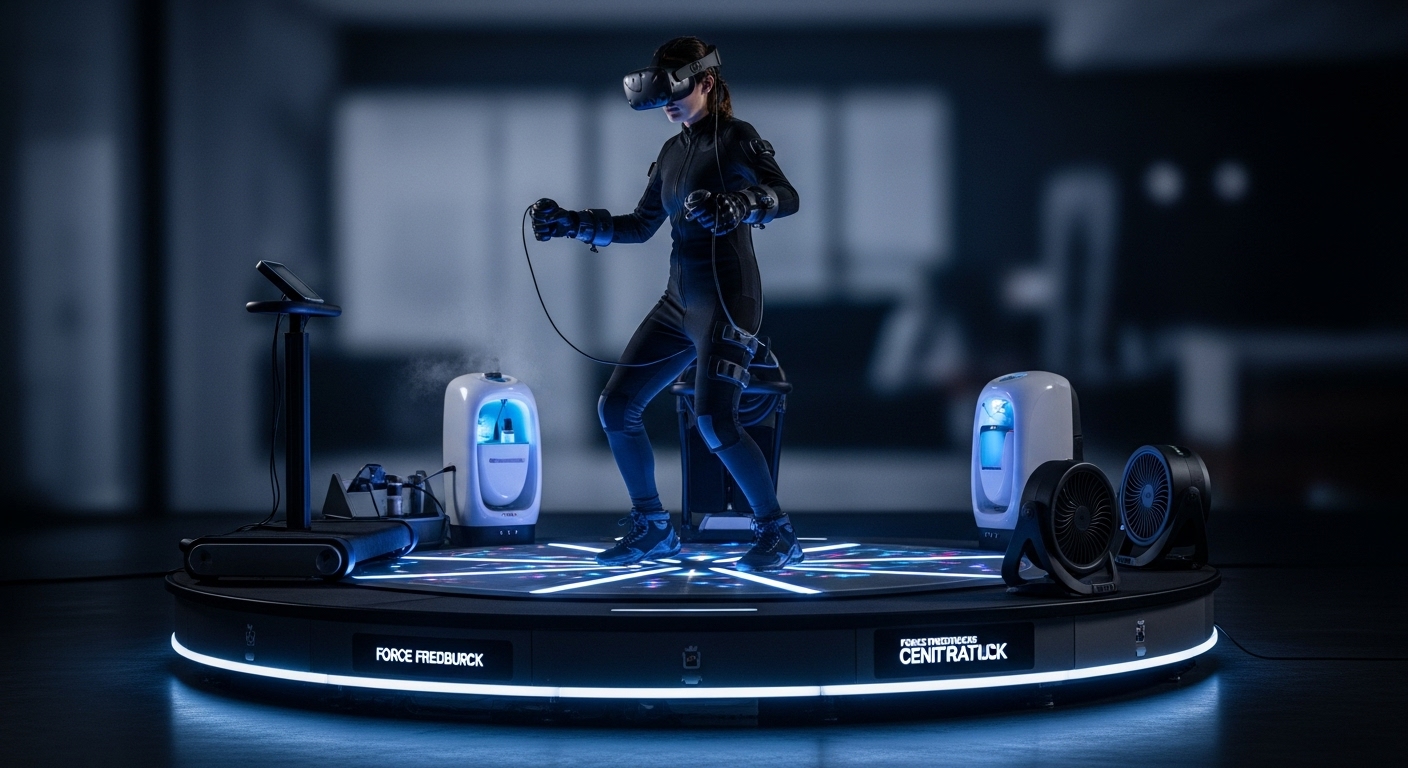
The rise of social VR platforms has been closely tied to advances in hardware. Early VR headsets were bulky, expensive, and limited in performance. However, innovations have made them lighter, more comfortable, and more affordable. Standalone VR devices that do not require high-end computers have made the technology accessible to wider audiences.
These improvements lowered the barriers for entry, allowing more people to join social VR spaces. With better graphics, smoother tracking, and improved motion controls, users can now experience virtual worlds in a more natural and convincing way. The combination of better hardware and faster internet connections has provided the foundation for social VR to flourish.
Popular Social VR Platforms
Several platforms have emerged as leaders in the social VR space, each offering unique features and communities.
Some focus on user-generated content, where individuals can design environments, games, and activities. Others emphasize professional collaboration, allowing people to meet for work-related purposes in virtual boardrooms. Still others cater to casual hangouts, parties, and shared entertainment experiences like concerts or movies.
The diversity of platforms highlights the broad appeal of social VR. It is not limited to a single demographic or interest group; rather, it adapts to the varied needs of its users. Whether someone wants to play, learn, work, or simply chat, there is a social VR platform designed to meet that purpose.
Social VR as a Tool for Human Connection
The strength of social VR lies in its ability to mimic real-world interactions. Unlike text messages or video calls, VR creates a sense of shared presence. You can turn your head to look at someone, gesture with your hands, or gather in a circle as if you were physically together.
This level of immersion makes conversations more personal and engaging. Many users report that friendships formed in VR feel as genuine as those formed face-to-face. For people who are physically distant from loved ones or who face limitations in mobility, VR offers a lifeline to meaningful social experiences.
Creativity and Expression in Virtual Spaces
One of the most exciting aspects of social VR is the freedom it gives users to express themselves. Avatars can be designed to reflect reality or to explore fantasy identities. Virtual worlds can be crafted to showcase creativity, from simple meeting rooms to elaborate landscapes, fantasy kingdoms, or futuristic cities.
This creativity extends beyond aesthetics. Users can program interactions, games, and experiences within these platforms. Social VR becomes a canvas for innovation, where communities collaborate to build spaces that reflect their interests and imaginations.
Social VR in Education and Training
The rise of social VR platforms is also transforming education and training. Virtual classrooms allow students from around the world to gather in immersive environments where they can interact with teachers and peers. Complex subjects like medicine, engineering, or history become more engaging when students can explore them in interactive simulations.
Professional training is another area benefiting from VR. From corporate meetings to specialized skill training, virtual environments provide safe, cost-effective spaces for practice. For example, medical students can perform virtual surgeries, and business teams can collaborate in virtual offices. Social VR combines the advantages of remote access with the richness of real-world interactions.
Entertainment and Events in Social VR
Social VR has opened new frontiers for entertainment. Concerts, film screenings, theater performances, and even sporting events are being hosted in virtual worlds. These events allow people from across the globe to attend together, removing physical and geographical barriers.
Unlike watching a livestream on a flat screen, social VR lets participants feel as though they are part of the audience, surrounded by others. They can cheer, dance, and interact with both performers and fellow fans. This communal experience enhances the enjoyment of entertainment in ways traditional digital formats cannot match.
The Role of Social VR in Work and Collaboration
The global shift toward remote work has accelerated the adoption of social VR for professional purposes. Virtual offices, conference rooms, and collaborative environments are helping teams work together more effectively across distances.
In VR, meetings feel more natural compared to traditional video calls. Colleagues can stand around a virtual whiteboard, brainstorm together, and share ideas in real time. The sense of presence reduces screen fatigue and fosters stronger team connections. For industries that require collaboration on complex designs, such as architecture or product development, VR provides a shared space for visualization and feedback.
Psychological and Emotional Impact of Social VR
Social VR does more than provide entertainment or utility; it has profound psychological effects. The feeling of presence in virtual spaces can combat loneliness and isolation, particularly for people who live alone or have limited social circles in their physical environment.
Studies suggest that interactions in VR can be just as emotionally fulfilling as those in real life. However, it is important to acknowledge potential challenges as well. Overuse of VR may lead to detachment from the physical world, and some users may struggle with balancing virtual and real-life interactions. Responsible engagement is essential to ensure that social VR remains a positive force.
Challenges Facing Social VR Platforms
While the rise of social VR is exciting, the technology faces significant challenges.
- Accessibility – Despite progress, VR hardware can still be costly and requires technical knowledge.
- Motion Sickness – Some users experience discomfort during extended VR sessions.
- Safety and Moderation – As with any online community, harassment and inappropriate behavior are concerns. Effective moderation tools are essential.
- Privacy Concerns – VR platforms collect sensitive data, such as movement patterns and voice recordings, raising questions about data security.
Addressing these challenges will be crucial to ensuring that social VR continues to grow responsibly and inclusively.
The Future of Social VR Platforms
Looking ahead, the potential of social VR platforms is immense. As hardware becomes more affordable and accessible, more people will be able to join virtual spaces. Improvements in graphics, haptic feedback, and AI will make these environments even more immersive and interactive.
The blending of VR with other technologies, such as augmented reality, artificial intelligence, and blockchain, may open entirely new possibilities. We could see persistent virtual economies, AI-driven companions, and seamless integration between physical and digital lives.
Social VR is likely to play a central role in the development of the metaverse, a concept of interconnected virtual worlds where people can live, work, and play. If this vision becomes reality, social VR platforms will be the foundation of a new digital era.
Conclusion
The rise of social VR platforms marks a turning point in how people connect and interact in the digital age. What began as experimental environments has now grown into thriving communities where people socialize, learn, work, and entertain themselves. The unique sense of presence offered by VR sets it apart from other digital platforms, creating meaningful and memorable interactions.
While challenges remain, the momentum behind social VR is undeniable. It offers the promise of more inclusive, immersive, and engaging digital experiences that transcend physical limitations. As technology continues to evolve, social VR is set to become not just a trend but a fundamental part of how humans interact in the future.