






Introduction
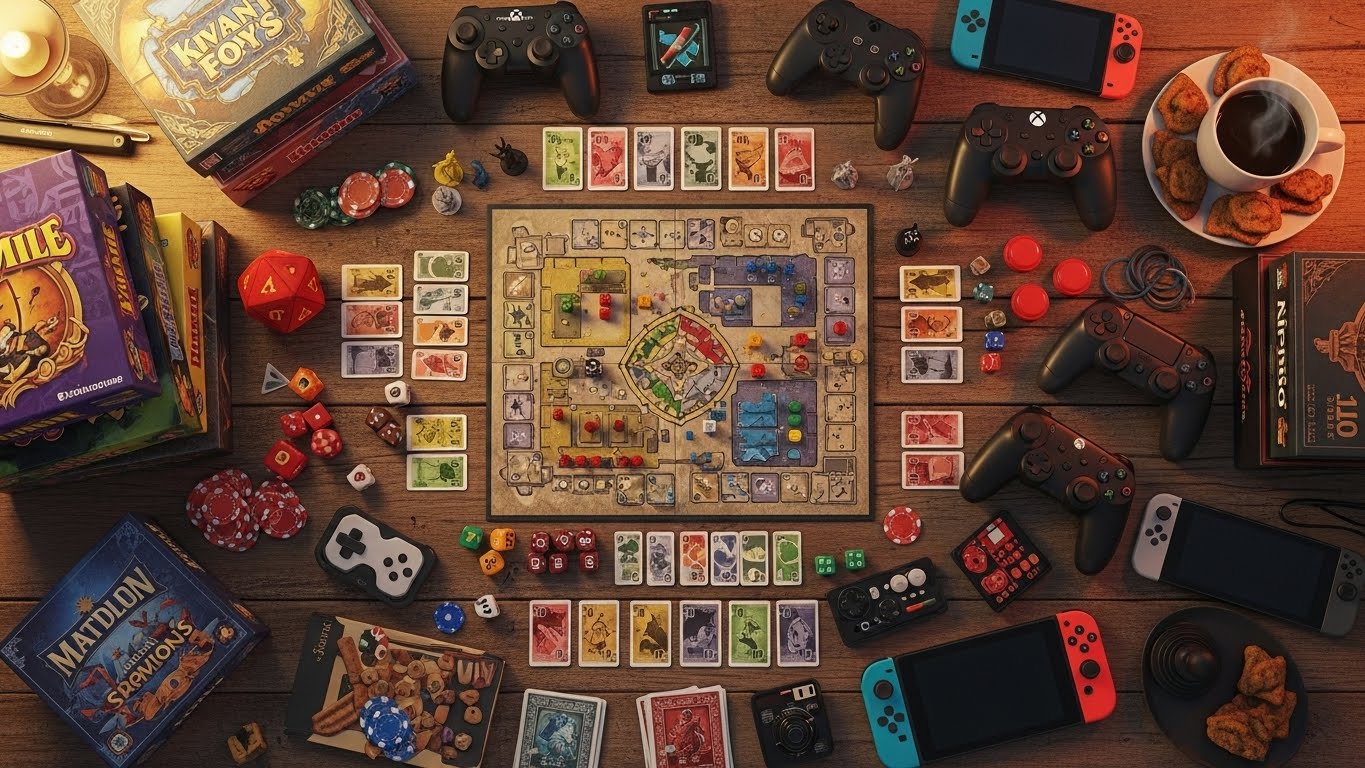
Video games have come a long way since their humble beginnings in the late 20th century. What started as simple pixelated screens and basic sound effects has now transformed into an expansive and immersive entertainment industry worth billions of dollars. Today, games range from fast-paced action shooters to thoughtful narrative-driven experiences, all accessible to a wide variety of players. In this blog, we will explore the evolution of video games, from their early days to the current era, and look at how technological advancements and changing player expectations have shaped the gaming world.
The Birth of Video Games: Early Beginnings
The history of video games can be traced back to the 1950s and 1960s, with experiments in interactive computer technology. The first commercially successful video game, Pong, was released in 1972 by Atari and marked the beginning of the video game industry. This simple game, where players control paddles to hit a ball back and forth, captivated players in arcades and sparked the growth of gaming as a mainstream activity.
In the following years, the gaming industry saw the release of iconic titles such as Space Invaders and Pac-Man, which became cultural phenomena and solidified the foundation of arcade gaming. The rise of home consoles, like the Atari 2600, also allowed people to play games in their living rooms, bringing video gaming into households across the globe.
The Golden Age of Arcade Games
The late 1970s and early 1980s are often referred to as the “Golden Age” of arcade gaming. This era introduced a wave of iconic arcade games that defined the industry, including Donkey Kong, Asteroids, and Defender. These games featured simple but engaging mechanics, colorful visuals, and catchy soundtracks that drew players to arcades in droves.
The success of arcade games during this time laid the groundwork for the home console revolution. The launch of systems like the Nintendo Entertainment System (NES) in the mid-1980s ushered in a new era of gaming, allowing players to experience high-quality games at home. Games such as Super Mario Bros. and The Legend of Zelda redefined the gaming experience, offering a mix of platforming action, exploration, and puzzle-solving.
The Rise of 3D Graphics and the 1990s Revolution
The 1990s marked a turning point in video game history. With the introduction of more powerful hardware and graphical advancements, developers were able to create 3D worlds that pushed the boundaries of what games could be. The release of consoles like the Sony PlayStation, Sega Saturn, and Nintendo 64 brought 3D graphics to the forefront of gaming.
One of the most influential games of this era was Super Mario 64, which revolutionized 3D platforming and set the standard for future games. The game introduced players to an expansive, open world filled with exploration and innovative gameplay mechanics. At the same time, games like Final Fantasy VII and The Legend of Zelda: Ocarina of Time brought deep storytelling and rich narratives into the gaming experience.
The 1990s also saw the rise of multiplayer gaming, with titles like GoldenEye 007 and Mario Kart 64 allowing players to compete against friends locally. This laid the groundwork for the online multiplayer experiences that would dominate in the next decade.
The Age of Online Gaming and the 2000s Boom
As the internet began to become more widespread in the early 2000s, online gaming exploded in popularity. Games like World of Warcraft, Halo 2, and Counter-Strike offered players the chance to compete or cooperate with others across the globe. Online multiplayer gaming introduced a new dimension to video games, where social interaction became a key aspect of the gaming experience.
The 2000s also saw the rise of game franchises that would go on to become household names, such as Grand Theft Auto, The Elder Scrolls, and Call of Duty. These games featured expansive open worlds, intricate storytelling, and multiplayer modes that kept players coming back for more. The widespread use of broadband internet allowed for more immersive online experiences, and game developers began to design games with both single-player and multiplayer modes in mind.
Mobile Gaming and the Smartphone Revolution
The advent of smartphones in the late 2000s created a new platform for gaming: mobile. Titles like Angry Birds, Candy Crush Saga, and Clash of Clans became phenomenons, showing that you didn’t need a console or PC to enjoy a great gaming experience. Mobile games appealed to a wider demographic, including casual players who hadn’t traditionally been gamers. The accessibility of mobile gaming allowed people to play anywhere, anytime, making it the most convenient form of entertainment.
The success of mobile games also led to the development of app stores, where developers could easily distribute their games to a global audience. This democratization of game development has allowed indie developers to thrive, creating innovative and unique games that have garnered large followings.
The Current Era: Virtual Reality, eSports, and Streaming
Today, video games have entered a new era of innovation, with technologies like virtual reality (VR) and augmented reality (AR) pushing the boundaries of immersion. VR headsets, such as the Oculus Rift and PlayStation VR, allow players to step into entirely new worlds, offering a truly immersive experience. Games like Beat Saber and Half-Life: Alyx have demonstrated the potential of VR gaming, offering players a sense of presence and interaction that was once the stuff of science fiction.
At the same time, the rise of eSports has made competitive gaming a global phenomenon. Games like League of Legends, Dota 2, and Fortnite have turned professional gaming into a legitimate sport, with tournaments offering millions of dollars in prize money. The eSports industry has brought gaming into the mainstream, with millions of fans tuning in to watch professional players compete at the highest level.
Streaming platforms like Twitch and YouTube Gaming have also revolutionized how people experience games. Streamers and content creators share their gameplay live, engaging with audiences in real-time. This has not only provided a new way to consume gaming content but has also created new career opportunities for individuals to make a living from gaming.
The Future of Gaming: What’s Next?
As technology continues to advance, the future of gaming looks brighter than ever. Cloud gaming services like Google Stadia and Microsoft’s Xbox Cloud Gaming (formerly known as xCloud) are allowing players to stream games directly to their devices without the need for high-end hardware. This opens up gaming to a wider audience, as players can enjoy AAA titles on smartphones, tablets, and even smart TVs.
The integration of AI and machine learning in game development promises to create even more dynamic and reactive game worlds. Whether it’s through smarter NPCs (non-playable characters) or procedurally generated environments, AI will continue to enhance the realism and complexity of video games.
Furthermore, as gaming becomes an increasingly social experience, we can expect more games to incorporate elements of social interaction, whether through virtual worlds or shared experiences. The line between gaming and social media may blur even further, creating new ways for players to connect, collaborate, and compete.
Conclusion
The journey of video games from their simple beginnings to the current era of immersive experiences has been nothing short of remarkable. Today, video games are an integral part of global culture, with millions of players across the world enjoying everything from mobile games to high-budget console titles. As technology continues to evolve, so too will the world of gaming, offering players new ways to experience, interact, and enjoy their favorite pastime. The future of video games holds endless possibilities, and one thing is certain: gaming will continue to be an exciting and transformative force in entertainment for years to come.