




Introduction: The Art of Play and Its Timeless Appeal
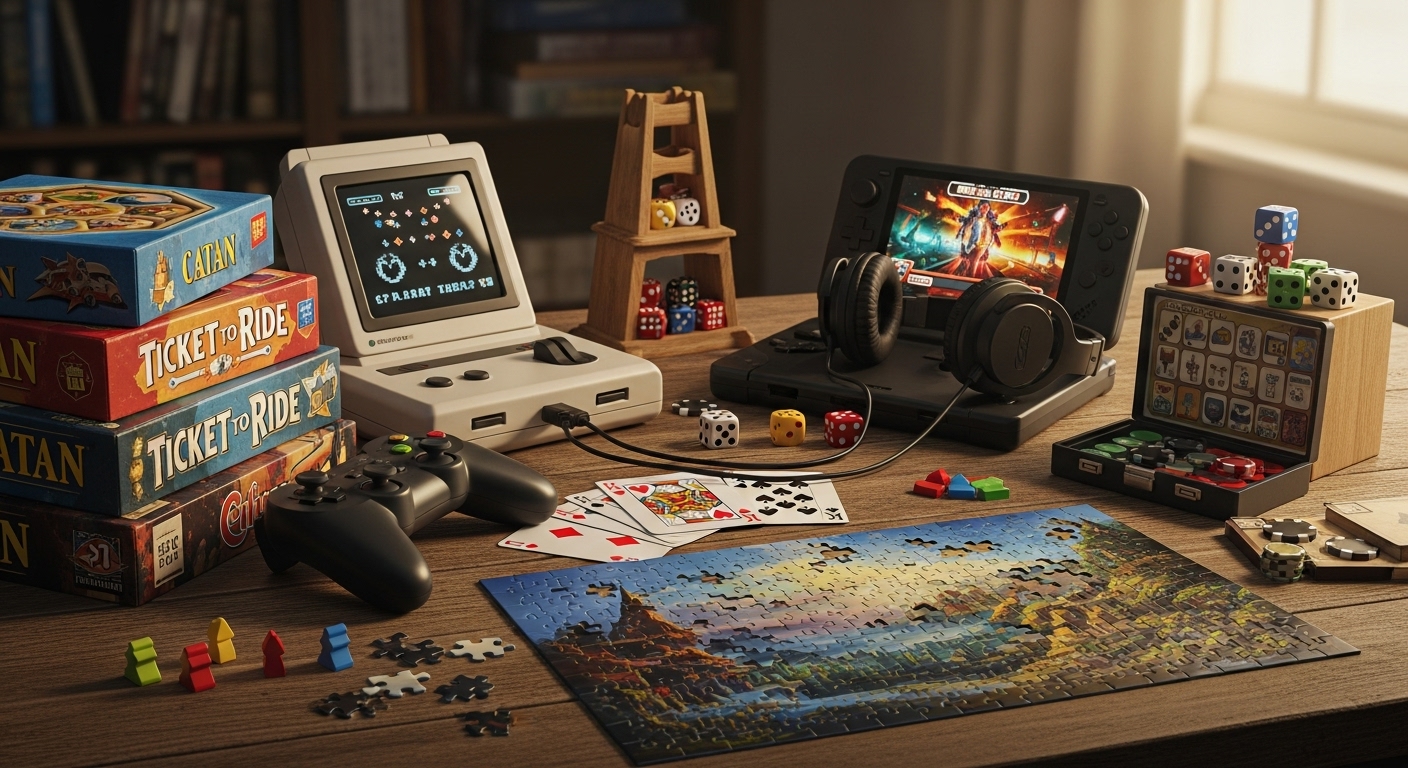
From the earliest civilizations to the digital age, games have been an intrinsic part of human culture. Whether it was a simple game of dice or a complex strategy-based video game, games have always had the unique ability to entertain, educate, and foster social connections. Over the years, the concept of “gaming” has evolved, and what began as a form of pastime has transformed into a multifaceted, global industry worth billions. Today, games come in many forms, ranging from traditional board games and card games to immersive digital experiences that connect people across continents. This blog post explores the evolution of games, their cultural significance, and the diverse ways they shape our lives.
The Birth of Games: Early Origins of Play
The origins of games can be traced back to ancient times. Early humans were instinctively drawn to activities that allowed them to engage their minds and bodies in playful, often competitive ways. One of the earliest recorded games is Senet, an ancient Egyptian game dating back to 3100 BC. The game, played on a rectangular grid, is believed to have been a form of entertainment as well as a symbolic representation of life and death.
In ancient China, the game of Go was created around 2,500 years ago. Go, known for its deceptively simple rules and strategic depth, continues to be a favorite pastime today, especially in East Asia. Similarly, the ancient Greeks and Romans enjoyed games like Tabula and Ludus Latrunculorum, which were predecessors to modern-day board games and strategy games.
The common thread among these early games was their ability to teach lessons in patience, strategy, and social interaction. They served as tools for both recreation and education, helping to shape the early development of critical thinking, decision-making, and even moral philosophy.
The Rise of Traditional Board Games and Card Games
As societies advanced, so did the complexity of their games. In medieval Europe, chess became an iconic symbol of intellectual and strategic prowess. The game, which has evolved significantly since its origins in India, has been played for centuries by scholars, kings, and commoners alike. Chess is not merely a game of moves and counter-moves; it is an intellectual battlefield that encourages players to think several steps ahead and anticipate the opponent’s strategy.
Meanwhile, card games became increasingly popular in Europe during the 14th century. Games like Poker, Rummy, and Bridge gained traction as social activities played in taverns and around family tables. The simplicity of card games, combined with the element of luck and skill, made them appealing to all age groups and skill levels. Poker, in particular, became synonymous with strategy and high-stakes competition, eventually giving rise to professional tournaments that continue to captivate millions worldwide.
Over time, traditional board games evolved into more complex and interactive forms. Monopoly, Scrabble, and Clue became household names, combining elements of strategy, luck, and social interaction. The simplicity of these games allowed them to become social fixtures, where families, friends, and communities could gather and engage in hours of entertainment.
The Video Game Revolution: A New Era of Interactive Play
The rise of video games in the 20th century marked a pivotal shift in the landscape of gaming. What began with rudimentary arcade games like Pong and Space Invaders in the 1970s quickly grew into a global phenomenon. Video games offered a new level of immersion, combining visuals, sound, and interactive elements to create experiences unlike anything seen before.
In the early 1980s, home consoles like the Atari 2600 made it possible for players to enjoy video games in their own homes. However, it wasn’t until the release of the Nintendo Entertainment System (NES) in 1985 that video games truly gained widespread popularity. The NES brought iconic characters like Mario, Zelda, and Donkey Kong into the spotlight, marking the beginning of a cultural shift. The console, with its cartridge-based games, provided players with the opportunity to explore vast digital worlds, solve puzzles, and defeat villains, all from the comfort of their living rooms.
As technology advanced, so did the capabilities of video games. The 1990s saw the introduction of 3D graphics and more sophisticated gameplay mechanics, exemplified by the groundbreaking titles Super Mario 64 and The Legend of Zelda: Ocarina of Time. These games offered players unprecedented freedom of movement within expansive, open worlds, and set the stage for the modern gaming experience.
The Digital Age: Online Gaming and Multiplayer Communities
One of the most significant developments in gaming came with the rise of online multiplayer games. As the internet became more widely available in the late 1990s and early 2000s, it opened up a new world of possibilities for gamers. No longer confined to local play, gamers could now compete against others around the world in real-time.
Games like World of Warcraft, Counter-Strike, and StarCraft introduced players to vast, interconnected online worlds where they could team up with friends or face off against opponents in fast-paced competitions. These online experiences changed the nature of gaming, turning it into a communal activity rather than a solitary one.
The success of online games led to the rise of esports, or competitive video gaming, which has become a multi-billion-dollar industry. Professional gamers now compete in global tournaments, attracting millions of viewers who tune in to watch their favorite players and teams battle for supremacy. The rise of esports has transformed gaming into a legitimate form of professional competition, with top-tier players earning sponsorships, salaries, and fame.
Mobile Gaming: Bringing Games to the Masses
The rise of smartphones and mobile devices has brought gaming to a whole new level of accessibility. Mobile gaming has become one of the most popular forms of entertainment worldwide, thanks to the widespread availability of smartphones and the rise of app stores. Games like Candy Crush, Angry Birds, and Clash of Clans quickly became household names, offering simple, addictive gameplay that could be enjoyed in short bursts.
Mobile gaming has not only made gaming more accessible to a wider audience but has also democratized play in ways previously unseen. Free-to-play models, with optional in-app purchases, have allowed millions of players to enjoy games without having to invest in expensive consoles or gaming PCs. The success of mobile gaming has also led to the development of more complex games, such as Genshin Impact and Pokémon Go, that offer deep gameplay experiences while still maintaining the accessibility and portability of mobile devices.
The Future of Gaming: Virtual Reality and Beyond
As technology continues to evolve, so too does the potential for new and exciting gaming experiences. Virtual reality (VR) and augmented reality (AR) are two of the most promising innovations in the gaming world. VR technology allows players to immerse themselves in fully realized virtual environments, where they can interact with the world and objects using specialized equipment like headsets and motion controllers. Games like Beat Saber and Half-Life: Alyx have shown the potential of VR to offer truly immersive experiences, with players feeling as though they are physically inside the game world.
Meanwhile, AR games like Pokémon Go have demonstrated how digital elements can be integrated into the real world, encouraging players to explore their surroundings in new ways. The combination of VR and AR has the potential to create even more immersive, interactive experiences in the coming years.
Cloud gaming is another technological development that could revolutionize the industry. Cloud gaming allows players to stream games directly to their devices, eliminating the need for expensive hardware and allowing high-quality gaming experiences to be accessed on virtually any device. This could make gaming more accessible to a wider audience and reduce the barriers to entry for many players.
The Social Impact of Gaming: More Than Just Fun
Games are not just a form of entertainment; they also have a profound social and cultural impact. Gaming communities have become vibrant, global hubs where people can connect with others who share their passion for play. Online multiplayer games, esports tournaments, and streaming platforms like Twitch have created spaces where players can interact, form friendships, and even build careers.
Moreover, games have become powerful tools for storytelling and social commentary. Many modern games tackle complex themes such as mental health, social justice, and environmental issues. Games like The Last of Us Part II and Celeste have received critical acclaim for their portrayal of emotional struggles, while games like This War of Mine and Papers, Please challenge players to consider the moral consequences of their actions.
Gaming has also become a powerful tool for education. Games like Minecraft and SimCity allow players to experiment with virtual worlds, solving problems and making decisions that mirror real-life scenarios. Educational games and apps have been developed to teach everything from mathematics to languages, offering an interactive and engaging way to learn.
Conclusion: The Infinite Horizons of Gaming
The world of games is vast and ever-expanding. From the early days of dice and board games to the immersive digital worlds of today, games have continually evolved, offering new experiences, challenges, and opportunities for social connection. As technology advances, so too will the possibilities for gaming, with innovations like VR, AR, and cloud gaming pushing the boundaries of what we thought was possible.
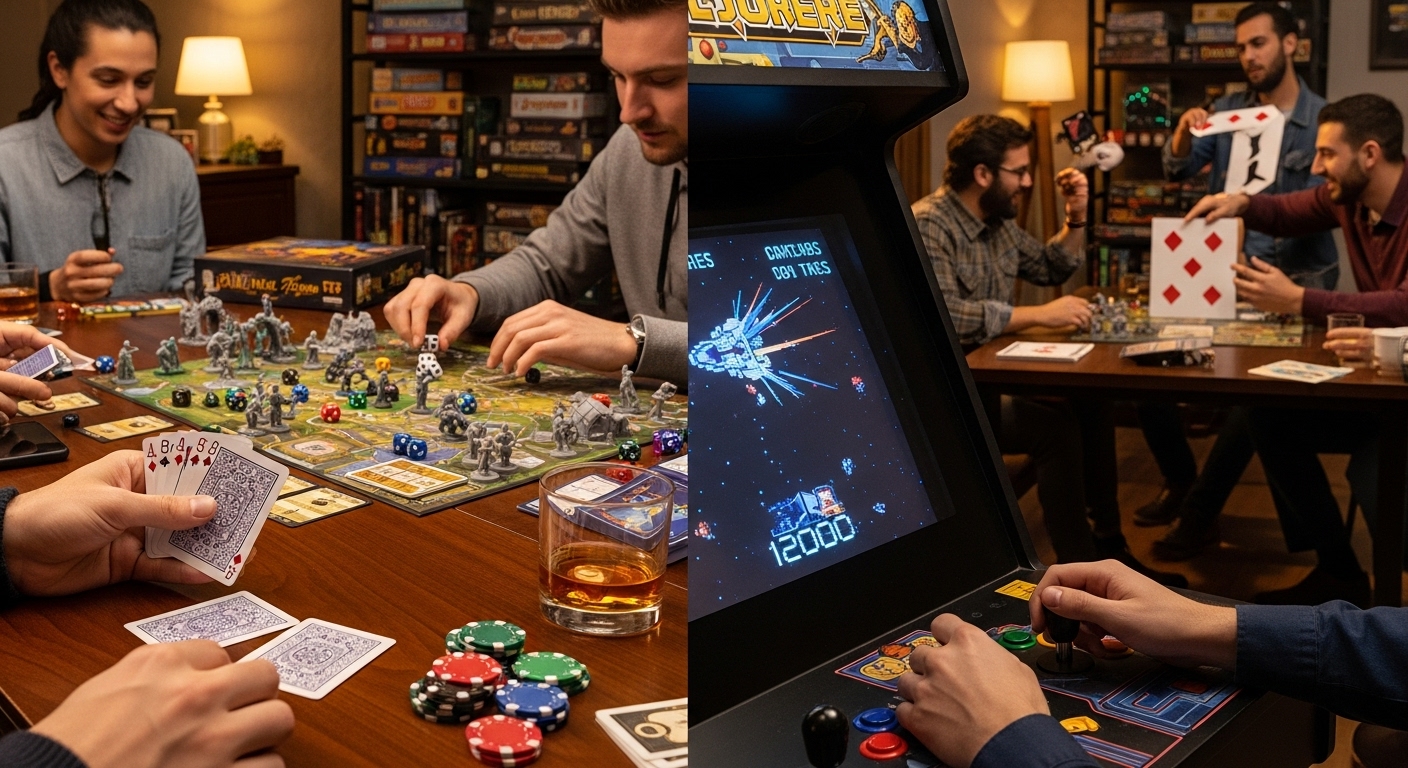
What makes games so special is their ability to bring people together. Whether it’s a multiplayer online game that connects players from around the world, or a local board game that fosters friendly competition among family and friends, gaming has always been a way to bond, learn, and have fun. In the future, games will continue to be a source of entertainment, education, and social interaction—offering endless possibilities for players to explore, create, and connect.