




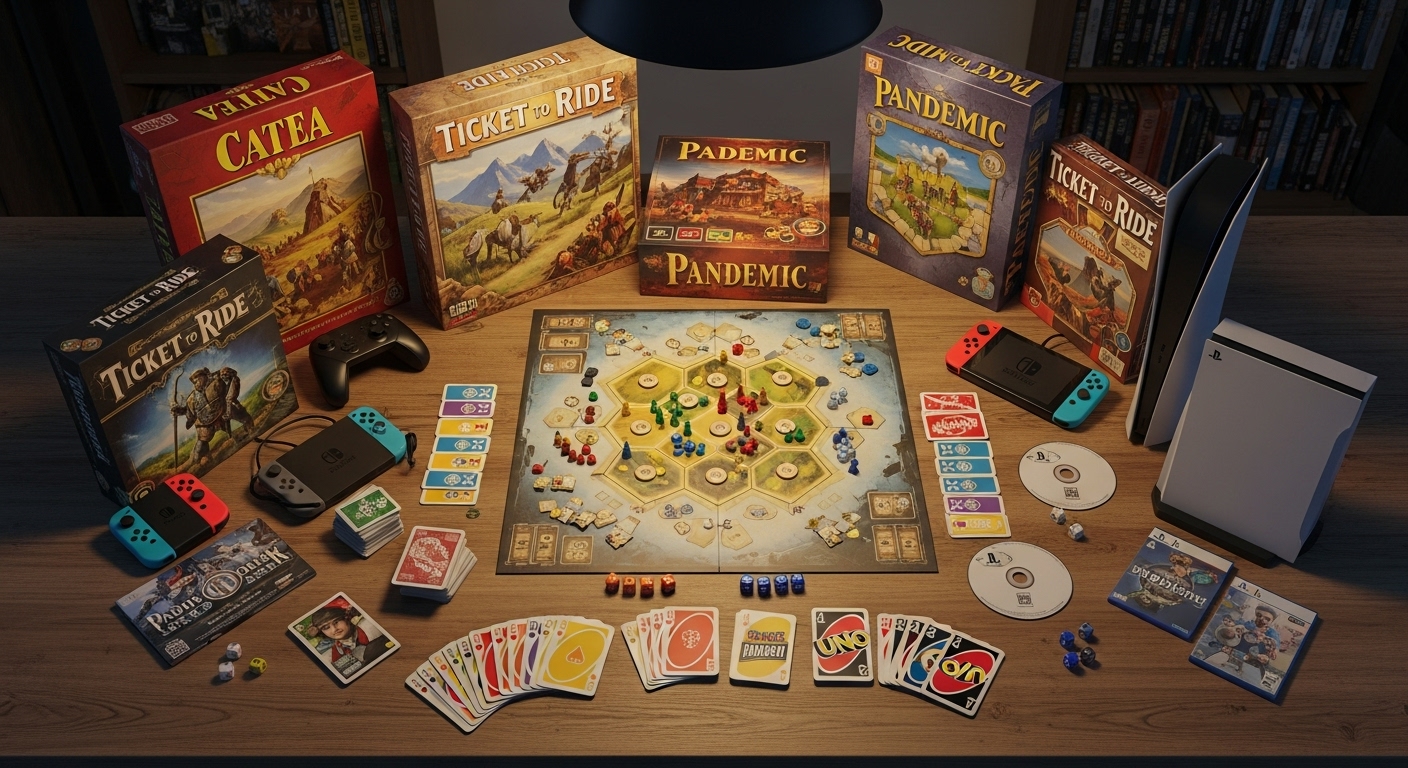
Introduction: The Timeless Allure of Games
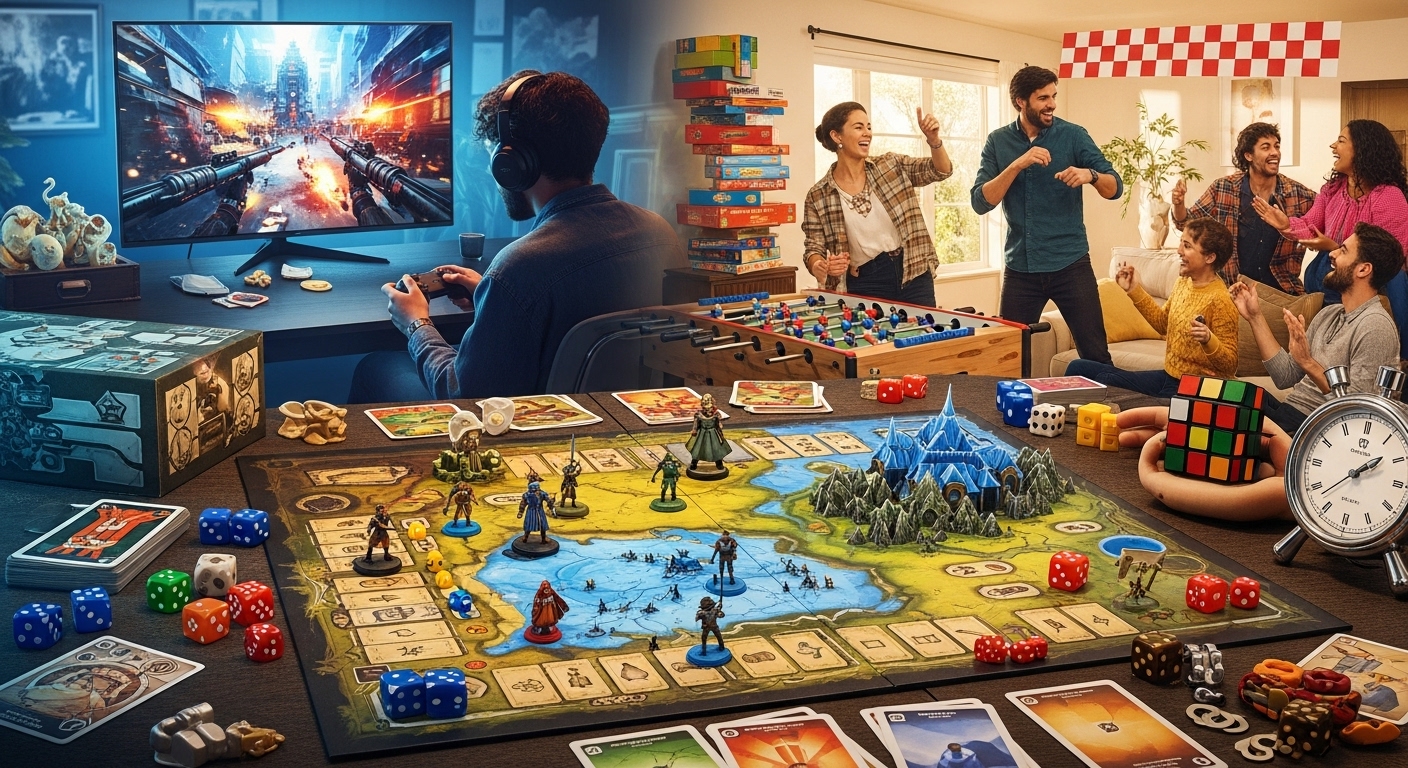
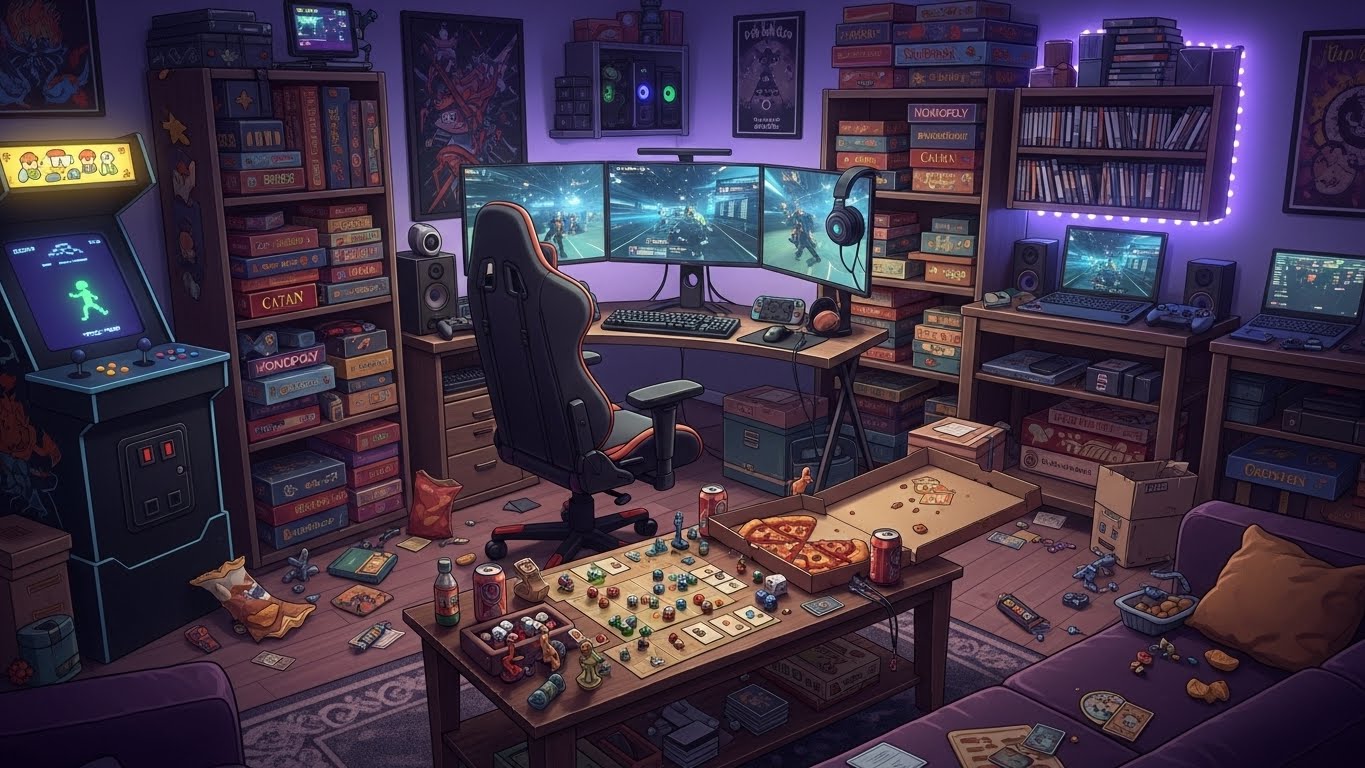
Games have always been more than a source of entertainment. They represent imagination, strategy, and human connection. From ancient board games played under the open sky to today’s digital masterpieces that span continents, gaming has evolved into a universal language understood by all generations. Whether physical or digital, solo or multiplayer, games continue to shape how we think, learn, and interact with the world around us.
The Ancient Origins of Play
The concept of gaming is as old as civilization itself. Early humans used games to teach survival skills, build teamwork, and pass the time during peaceful moments. Ancient Egyptians played Senet, one of the oldest known board games, believed to symbolize the journey to the afterlife. In China, Go was more than a pastime; it was an art form that developed patience and strategic thinking. Even indigenous tribes around the world had traditional games tied to their culture and storytelling. These early forms of play laid the foundation for the games we cherish today, emphasizing that gaming has always been part of human identity.
The Rise of Board and Card Games
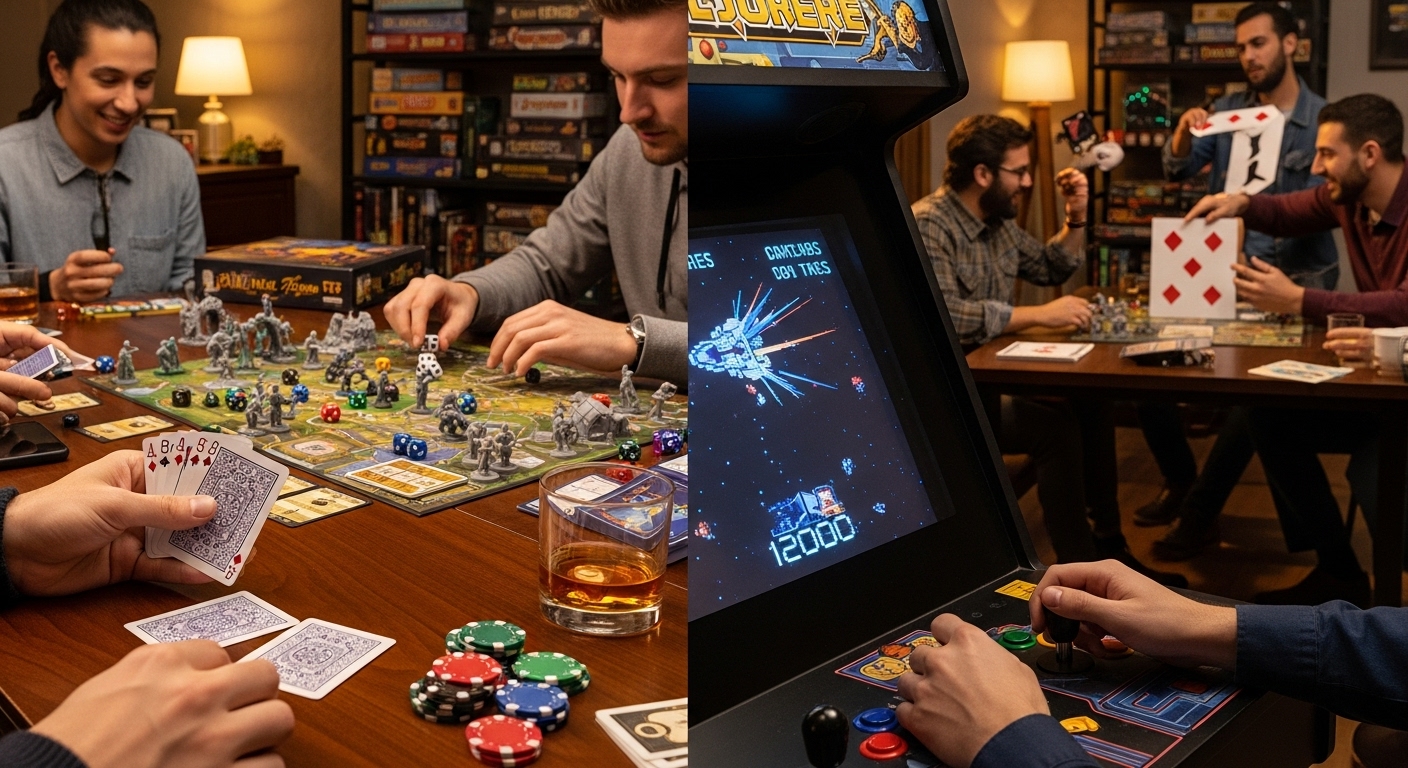
Before technology took over, the world found joy in board and card games. Chess, checkers, and backgammon tested the mind, while games like Monopoly and Scrabble brought families together for hours of friendly competition. Card games like poker, rummy, and bridge became symbols of skill and social connection. These games taught valuable lessons about patience, planning, and sometimes even negotiation. Board games, in particular, played a vital role in social bonding, helping people learn teamwork, communication, and the importance of fair play.
The Digital Revolution in Gaming
The late twentieth century introduced a technological shift that changed everything. Video games became a new frontier of entertainment, combining art, storytelling, and interactivity. Arcade classics like Pac-Man, Space Invaders, and Donkey Kong captivated the imagination of millions. Soon, home consoles made gaming accessible to everyone. The 1980s and 1990s were marked by iconic systems like the Nintendo Entertainment System and the Sega Genesis, which introduced characters and worlds that remain beloved today.
As technology advanced, games became more immersive and complex. The early 2000s saw the rise of 3D graphics, online multiplayer modes, and storytelling that rivaled Hollywood movies. Titles like The Legend of Zelda, Final Fantasy, and Halo set new standards for creativity and narrative depth. The digital revolution not only changed how games looked but also how they were played, paving the way for the social gaming communities we know today.
The Power of Storytelling in Games
Modern games have evolved into an art form that can move players emotionally and intellectually. Developers craft detailed worlds, rich characters, and thought-provoking narratives that allow players to live different lives and experience stories in a deeply personal way. Games like The Last of Us, Red Dead Redemption, and Journey demonstrate how storytelling can transform gaming into an emotional journey. Through choices and consequences, players become active participants in shaping the story’s outcome, creating a connection that movies or books cannot replicate.
The Growth of Online and Multiplayer Experiences
The internet revolutionized gaming once again by connecting players across the globe. Multiplayer games turned into virtual worlds where millions could collaborate, compete, and communicate in real time. Online games like World of Warcraft, Fortnite, and Call of Duty have created vast communities that extend beyond the game itself. Players form friendships, teams, and even careers through esports, where professional gamers compete in tournaments watched by millions of fans.
This digital interaction has transformed gaming into a shared social experience. It’s not just about beating the game; it’s about connecting with others, building teamwork, and achieving common goals. Multiplayer gaming has become a virtual form of social gathering, reflecting how human connection continues to be at the heart of play.
The Emergence of Mobile Gaming
The rise of smartphones brought gaming into everyone’s pocket. Mobile gaming opened the door for casual players who may not own consoles or gaming PCs. Games like Candy Crush, Clash of Clans, and Among Us became global sensations, proving that simple, accessible gameplay can unite millions. Mobile games have blurred the lines between casual and hardcore gaming, allowing anyone to enjoy short bursts of entertainment during commutes, breaks, or leisure time.
Mobile gaming also encouraged innovation in monetization and accessibility. Free-to-play models with optional purchases became standard, while augmented reality games like Pokémon Go encouraged players to explore the real world. This blend of technology and interactivity shows how gaming continues to evolve with human behavior and technological progress.
The Artistic Side of Gaming
Beyond entertainment, games have emerged as powerful expressions of creativity and art. Every game combines design, music, storytelling, and visual art into a unified experience. Independent developers, or “indie” creators, have especially pushed the boundaries of what games can be. Titles like Celeste, Hollow Knight, and Stardew Valley demonstrate that games can explore deep emotional themes, mental health, and human relationships.
Gaming’s artistry extends beyond visuals. Music plays a crucial role in shaping emotion and atmosphere. From the haunting melodies of Dark Souls to the sweeping orchestras of Skyrim, soundtracks elevate gaming experiences to unforgettable heights. Art in gaming is not limited to aesthetics—it’s about creating meaning, connection, and immersion.
Educational and Cognitive Benefits of Gaming
Contrary to old stereotypes, gaming offers numerous cognitive and educational benefits. Strategic and puzzle games sharpen problem-solving skills and enhance memory. Action games improve hand-eye coordination and reaction time. Simulation and role-playing games encourage creativity and critical thinking. Educational titles even help students learn mathematics, science, and history in engaging ways.
Moreover, many games teach social and emotional skills. Cooperative gameplay fosters teamwork, communication, and empathy. Strategy games teach patience and long-term planning, while competitive games encourage resilience and adaptability. With responsible play, gaming can be both fun and intellectually stimulating.
The Business of Gaming: A Global Industry
What began as a niche hobby has grown into one of the most powerful industries in the world. Today, gaming generates more revenue than the film and music industries combined. Developers, designers, streamers, and esports professionals form a vast ecosystem that continues to expand. New technologies such as virtual reality and artificial intelligence are shaping the next generation of gaming experiences.
The industry’s success also fuels job creation, innovation, and cultural exchange. Independent developers can now reach global audiences through digital platforms, giving rise to a diverse range of voices and ideas. Gaming’s economy thrives on creativity, showing that play can be both profitable and meaningful.
Challenges and Responsible Gaming
Despite its many benefits, the gaming world faces challenges. Issues such as addiction, toxic online behavior, and excessive screen time have sparked global conversations about responsible gaming. Developers and communities are taking steps to promote healthier habits, including parental controls, playtime limits, and positive online environments.
Responsible gaming encourages balance. Enjoying games should never come at the cost of physical health, relationships, or personal growth. When played in moderation, games remain a source of joy, creativity, and learning. The growing awareness of mental health within gaming communities marks an important step toward a healthier, more inclusive future.
The Future of Games: Innovation Beyond Imagination
The next era of gaming promises even greater innovation. Virtual reality and augmented reality are blurring the boundaries between the physical and digital worlds. Cloud gaming allows players to enjoy high-quality titles without expensive hardware. Artificial intelligence is enhancing realism, creating smarter worlds and more lifelike characters.
Additionally, games are becoming more inclusive, representing diverse cultures, genders, and identities. Developers are using their platforms to tell stories that reflect real-world experiences and promote empathy. The future of gaming lies not only in technology but in creativity and inclusivity, making it a space where everyone belongs.
Conclusion: The Infinite Power of Play
Games are not just a pastime; they are a reflection of human imagination, connection, and progress. From ancient stones to virtual worlds, the journey of gaming mirrors our desire to explore, compete, and create. Every era brings new forms of play, yet the essence remains the same—the joy of discovery and the thrill of challenge.
As technology advances, one truth endures: gaming is a celebration of creativity and community. It connects people across generations, cultures, and borders. Whether through a board game at home, an epic adventure on a console, or a simple mobile puzzle, games remind us that play is an essential part of being human. The world of games will continue to evolve, inspire, and unite us, proving that the spirit of play truly has no limits.