





Games are an integral part of the human experience. From ancient board games to modern video games, the world of play has continually evolved, offering an escape, a challenge, and a platform for social interaction. Whether you’re rolling dice, tapping on a touchscreen, or controlling a character in an expansive virtual world, games provide a unique blend of entertainment, skill-building, and storytelling. This blog post will explore the fascinating world of games, tracing their origins, examining their cultural impact, and considering what the future holds for the gaming industry.
The Origins of Games: A Timeless Tradition of Play
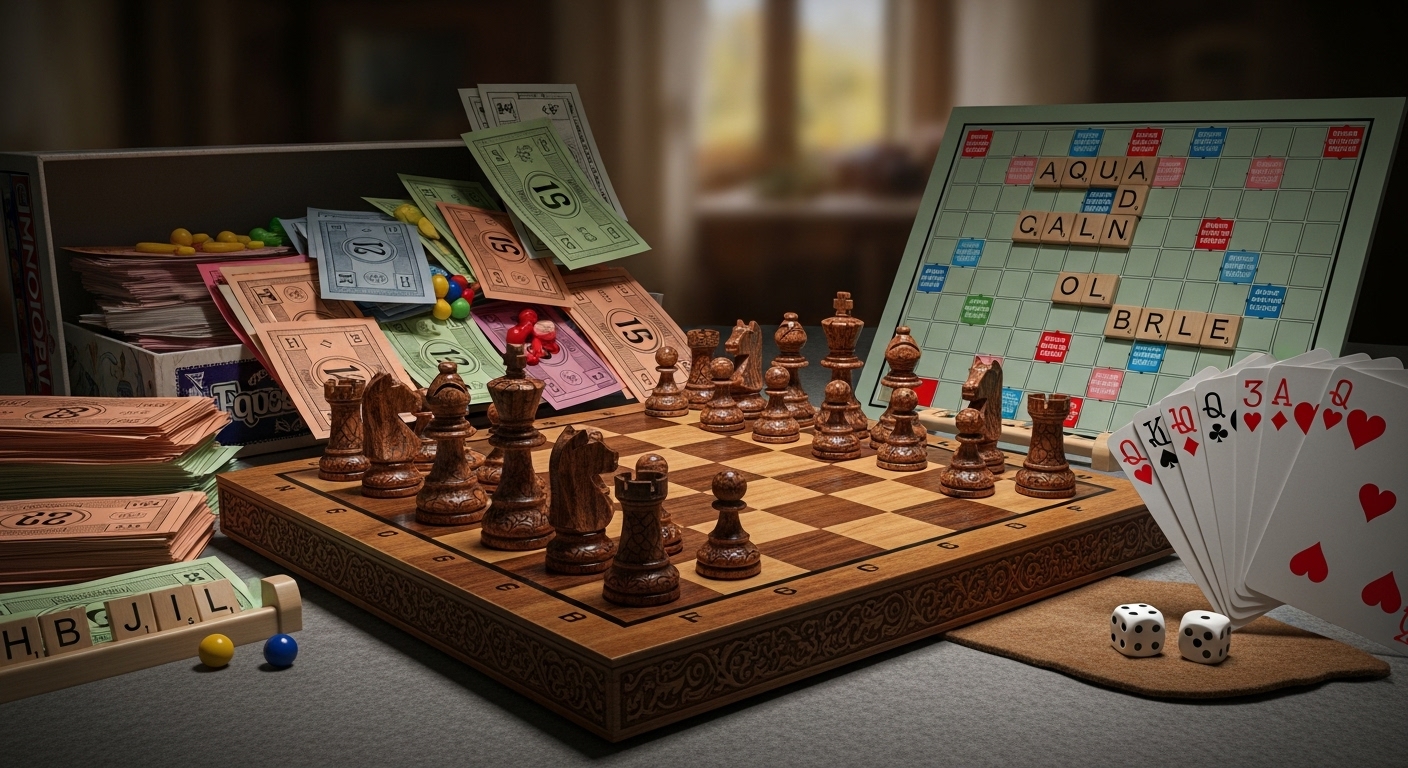
Games are older than civilization itself. Archaeological evidence shows that even prehistoric humans played games, possibly to pass the time or develop skills useful for survival. One of the earliest known games is Senet, an ancient Egyptian board game believed to date back to around 3100 BCE. The game, found in the tombs of pharaohs, was not only a form of entertainment but also had spiritual significance, believed to represent the journey of the soul in the afterlife.
Similarly, ancient cultures around the world created games that served both recreational and educational purposes. The Greeks played a game called Petteia, similar to checkers, and the Chinese developed Go, one of the oldest and most complex strategy games still played today. Games such as chess, backgammon, and dominoes also have centuries-old histories, becoming staples of both the elite and the common folk in various societies.
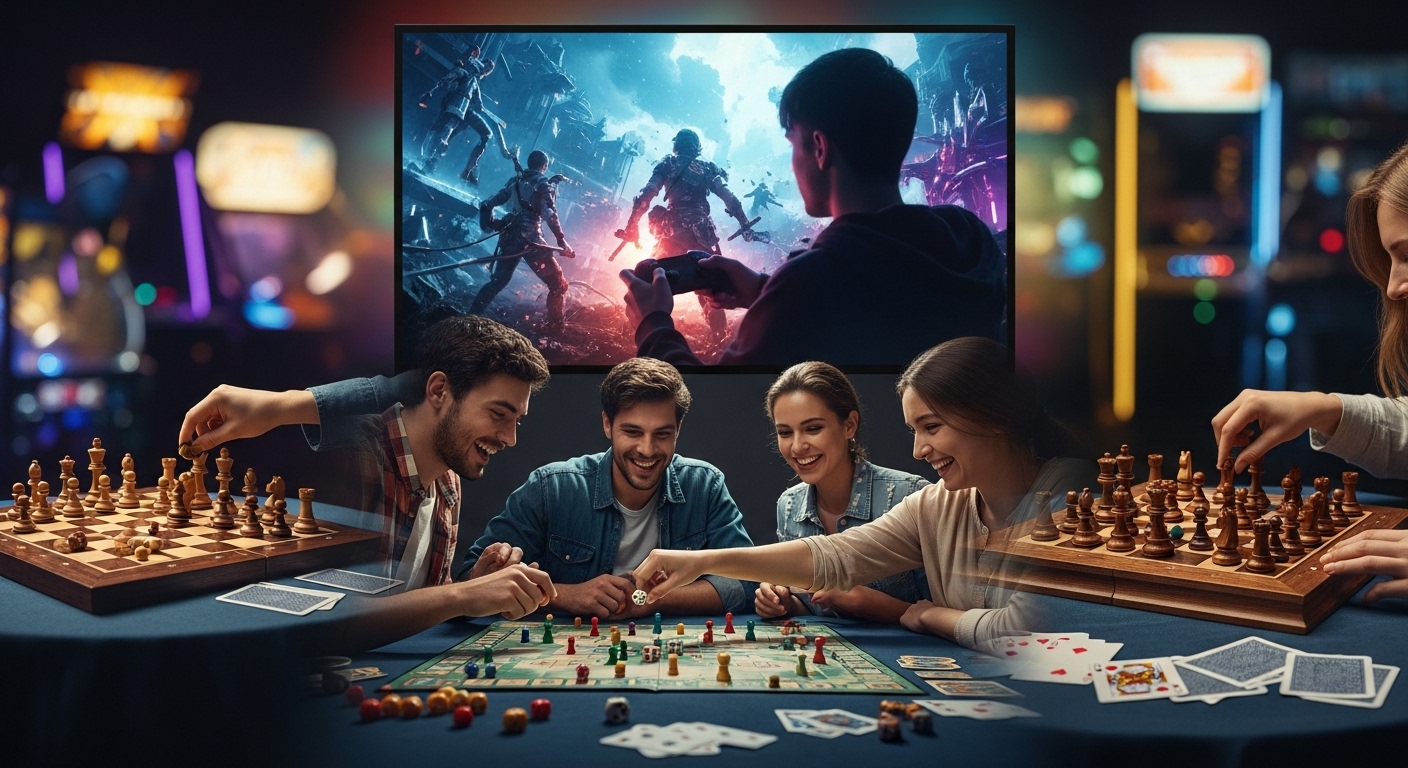
Over time, games evolved from simple recreational activities to more complex cultural phenomena. As literacy rates increased, storytelling and written rules became important components of games, allowing for deeper immersion and narrative-driven play. From board games to card games, play became a way to bring people together, share experiences, and showcase creativity.
The Golden Age of Video Games: The 70s and 80s
While board games had their heyday in the centuries prior, the real explosion in gaming came with the advent of video games in the mid-20th century. The 1970s marked the beginning of the video game era, with arcade games like Pong and Space Invaders capturing the public’s imagination. These early games were simple by today’s standards, relying on pixelated graphics and straightforward mechanics, but they laid the groundwork for what would become a multi-billion-dollar industry.
The 1980s was the true golden age of video games. With the release of iconic games like Pac-Man, Donkey Kong, and Super Mario Bros., the gaming world began to shift from the arcade into people’s homes. The introduction of home gaming consoles like the Atari 2600 and the Nintendo Entertainment System (NES) made it possible for people to enjoy video games in the comfort of their own homes. These games, often simple in design but difficult to master, brought people together in social settings, creating a shared cultural experience.
During this period, video games went from being a niche interest to a widespread hobby enjoyed by people of all ages and backgrounds. The characters that emerged—Mario, Sonic the Hedgehog, and Link—became pop culture icons, and the games they starred in set the stage for the immersive and expansive worlds we see in games today.
The Rise of PC Gaming and the Internet Revolution
By the 1990s, the gaming industry had expanded exponentially with the rise of PC gaming. Games like Doom, Warcraft, and Command & Conquer were among the first to offer fully immersive, interactive experiences with enhanced graphics and complex gameplay. The PC gaming revolution marked a significant shift, as it allowed for more power, customization, and the ability to play against others online. The arrival of the internet also changed the landscape of gaming, ushering in the era of multiplayer online games.
The early online games were rudimentary by today’s standards but laid the groundwork for the massive multiplayer online games (MMOs) that would follow. World of Warcraft, launched in 2004, became a cultural phenomenon, with millions of players around the world engaging in epic quests, building virtual communities, and forming friendships that spanned continents. Multiplayer online games fostered a sense of global connection, where people could play together, despite geographical boundaries.
Additionally, the rise of first-person shooters (FPS) like Quake and Counter-Strike brought competitive gaming into the mainstream. Players could not only team up with others but also challenge them in high-stakes tournaments, setting the stage for the modern world of eSports.
Mobile Gaming: The New Frontier
The 2000s brought with them the rise of smartphones, and with them came the mobile gaming revolution. Games that could be played on the go became an instant hit, especially as mobile devices became more powerful and capable of running complex games. Mobile gaming democratized the world of video games, making it accessible to a broader audience.
Games like Angry Birds, Candy Crush Saga, and Clash of Clans became massive hits, appealing to both casual and more dedicated gamers. Mobile gaming’s appeal lies in its simplicity and accessibility. People could now pick up their phone and play a quick, engaging game while commuting, waiting in line, or even during short breaks at work. The ability to download games instantly from app stores allowed for a quick and easy gaming experience that didn’t require large installations or a dedicated gaming device.
Moreover, mobile games were often free to play, with in-app purchases allowing players to enhance their experience. This freemium model revolutionized the gaming economy, creating a new standard for monetization in the industry.
The Power of Storytelling in Modern Games
While many people still play games for their competitive elements, there is a growing demand for narrative-driven games. Unlike the early arcade games that focused primarily on gameplay, modern games often feature complex plots, well-developed characters, and emotional depth.
Titles like The Last of Us, Red Dead Redemption 2, and The Witcher 3: Wild Hunt are prime examples of how video games have evolved into sophisticated storytelling mediums. These games feature richly detailed worlds, immersive character arcs, and moral choices that affect the outcome of the story. The rise of open-world games, in which players can explore vast environments and interact with characters in real time, has created experiences that rival those found in books and movies.
The blend of interactivity and narrative in games offers players a unique form of storytelling. In traditional media like films or novels, the audience is a passive observer. In video games, players are active participants, making decisions that influence the direction of the story. This interactivity gives players a sense of agency, where their choices matter in shaping the outcome of the narrative.
The Rise of eSports: Competitive Gaming Goes Global
Another significant development in the gaming world over the past two decades has been the rise of eSports, or competitive gaming. Games like League of Legends, Dota 2, and Fortnite have turned video games into professional sports, with players competing for massive cash prizes and international recognition. eSports tournaments are now broadcast to millions of viewers worldwide, with events drawing huge crowds to stadiums and arenas.
The competitive gaming scene has spawned an entire ecosystem, from professional teams and sponsorships to streaming platforms like Twitch and YouTube Gaming, where players can broadcast their gameplay to an audience. The skill and strategy required to succeed in these games have elevated them to the level of traditional sports, and the eSports industry continues to grow at a rapid pace, with players, coaches, and analysts all playing key roles in this new digital sport.
The Future of Gaming: Virtual Reality and Artificial Intelligence
Looking ahead, the future of gaming seems poised for even greater innovations. Virtual reality (VR) and augmented reality (AR) are set to take gaming to new heights, offering fully immersive experiences that place players inside the game world itself. Games like Beat Saber and Half-Life: Alyx are already offering VR experiences that push the boundaries of what we thought was possible, but VR’s full potential is just beginning to be realized.
Artificial intelligence (AI) is also poised to change the way games are developed and played. AI can create more dynamic and responsive game worlds, offering increasingly realistic environments and smarter non-playable characters (NPCs). In the future, AI-driven games might adapt to each player’s style, creating personalized experiences that are different for every person.
Additionally, the rise of cloud gaming, where games are streamed over the internet rather than requiring powerful hardware, could make gaming more accessible to people worldwide, regardless of the devices they own.
Conclusion: The Ever-Expanding Universe of Games
From their humble origins to the cutting-edge technologies of the modern era, games have grown into a massive cultural force. They are no longer just a form of entertainment; they are a way to connect with others, to explore new worlds, to challenge our minds, and to tell stories that resonate with audiences in ways that were once unimaginable. The allure of games lies in their ability to offer something for everyone, from casual players seeking a quick distraction to hardcore gamers looking for an immersive, challenging experience.
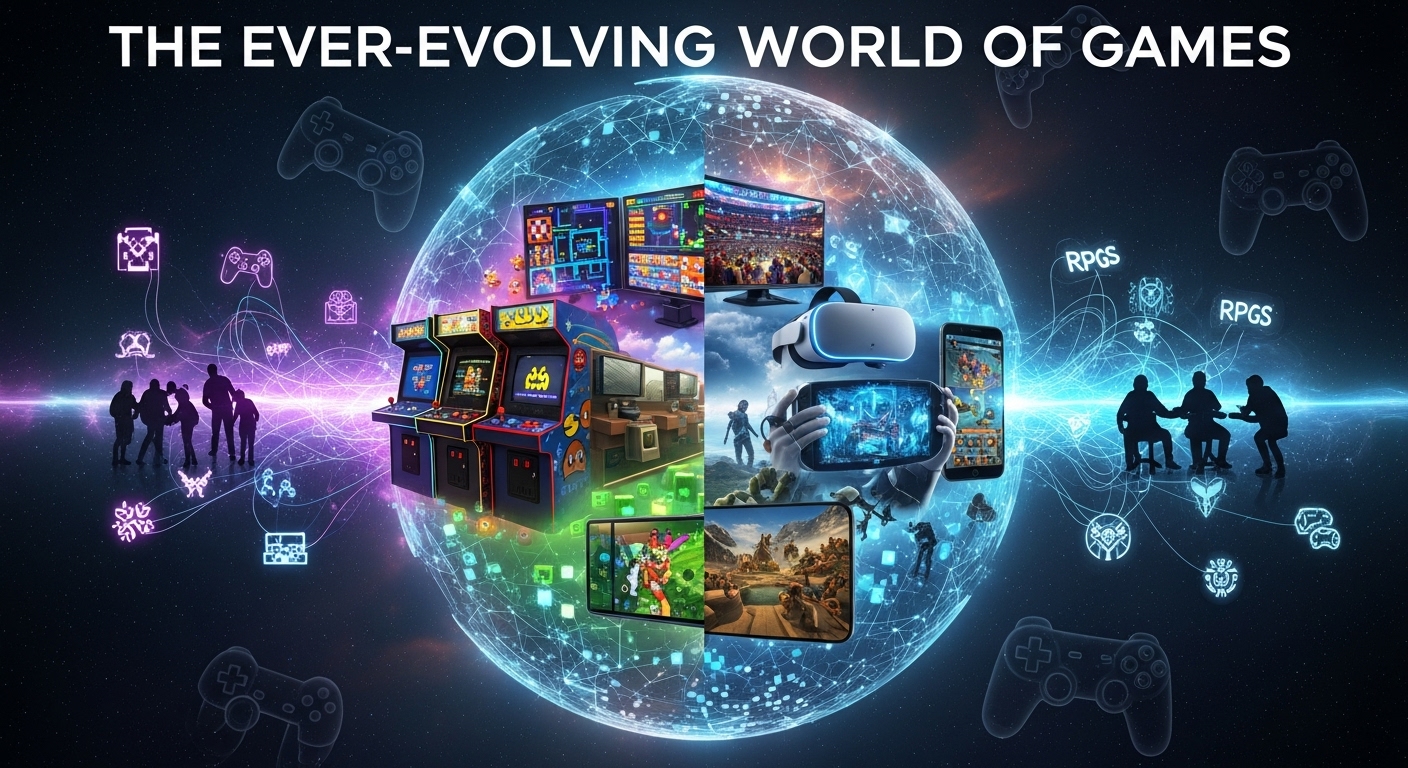
As technology continues to advance, the future of gaming looks brighter than ever. The rise of virtual reality, AI, and cloud gaming promises to push the boundaries of what games can offer, making play more immersive and accessible to a wider audience. But no matter how much games evolve, one thing remains constant: the power of play. Whether for fun, competition, or storytelling, games continue to be an essential part of our shared human experience.