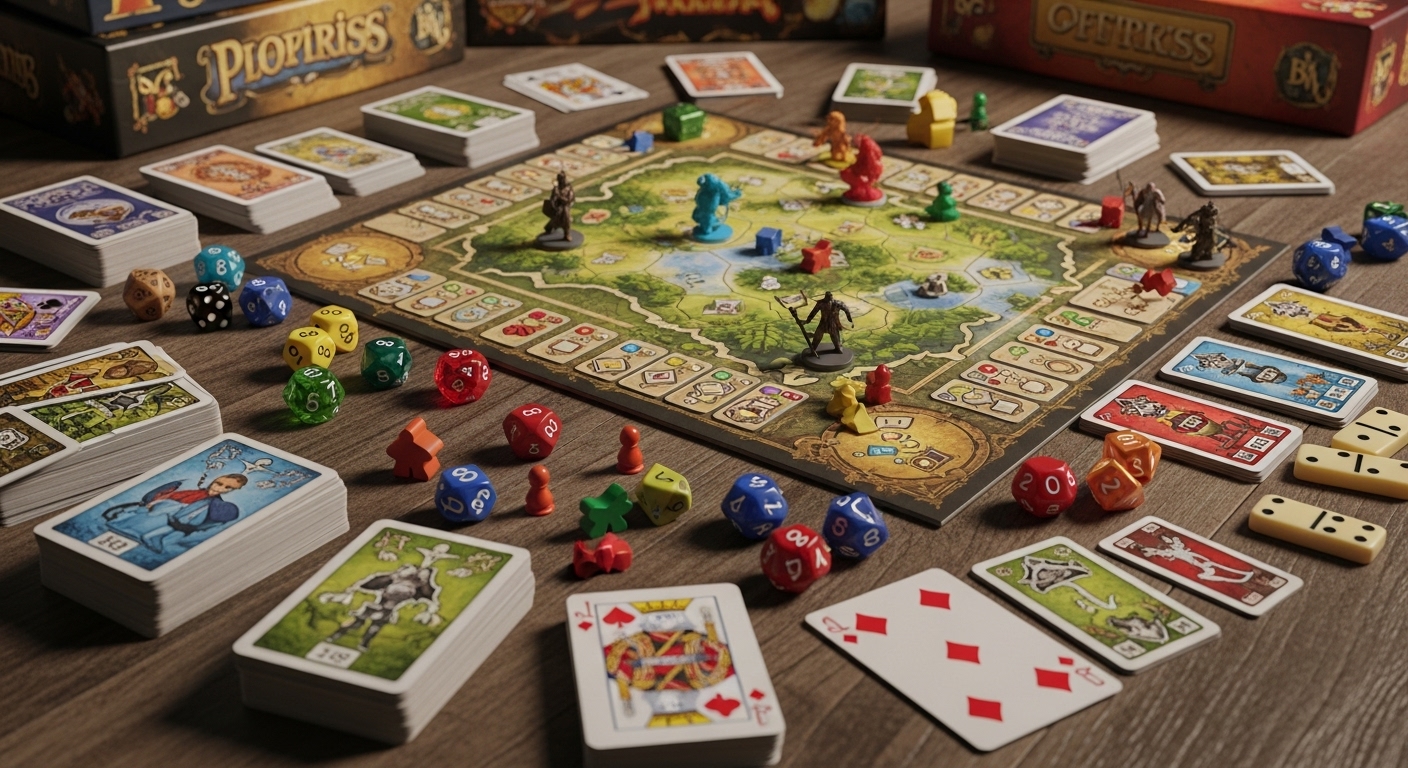







Games have been an essential part of human society for thousands of years. From ancient board games to modern digital experiences, games entertain, educate, and challenge players while fostering social connections and strategic thinking. The gaming industry has grown into a global phenomenon, influencing technology, culture, and even the economy. This blog explores the evolution of games, their diverse genres, technological innovations, cultural and educational impacts, challenges, and future trends shaping the interactive entertainment world.
The Evolution of Games
The history of games can be traced back to ancient civilizations. Archaeologists have discovered artifacts from Egypt, Mesopotamia, and China that suggest games were used for leisure, strategy, and education. For example, Senet in Egypt was more than a pastime; it symbolized spiritual journeys, strategic thinking, and social interaction. Similarly, Go in China emphasized skill, patience, and strategic foresight.
Board games, card games, and dice games became popular worldwide, creating social bonds and competitive environments. These early games laid the foundation for structured rules, competition, and cognitive skill development. Physical sports and recreational activities also evolved alongside these traditional games, combining entertainment with physical and mental challenges.
The late 20th century marked a major transformation with the rise of digital gaming. Arcade machines and home gaming consoles introduced interactive entertainment to millions. Games such as Pac-Man, Tetris, and Super Mario Bros became cultural icons, creating global communities of players and enthusiasts. Video games transformed from simple digital amusements into complex, immersive experiences with storytelling, strategy, and high-end graphics.
The Diversity of Gaming Genres
Modern games encompass a wide range of genres, each catering to different tastes and play styles. This diversity contributes to the broad appeal of gaming and its ability to attract audiences of all ages and backgrounds.
Action and Adventure Games
Action games emphasize reflexes, precision, and combat, while adventure games focus on exploration, storytelling, and puzzle-solving. Many games blend these elements, providing players with immersive narratives and interactive challenges. Adventure and action games often transport players into fantastical worlds where strategy, quick thinking, and exploration are key to success.
Role-Playing Games
Role-playing games, or RPGs, allow players to assume the roles of characters within detailed fictional worlds. Players make choices that influence the storyline, develop skills, and customize characters. RPGs can be single-player experiences or online multiplayer adventures, offering long-term engagement through quests, challenges, and cooperative or competitive play.
Simulation and Strategy Games
Simulation games recreate real-world activities such as city-building, farming, or managing resources. Strategy games, on the other hand, focus on tactical thinking, problem-solving, and decision-making. Players must plan moves carefully, allocate resources efficiently, and anticipate opponent actions. These genres encourage critical thinking and patience while providing immersive, rewarding experiences.
Sports and Racing Games
Sports games allow players to simulate real-life athletic competitions, from football to basketball to extreme sports. Racing games replicate vehicle dynamics and track physics, providing competitive thrills and skill-based challenges. Both genres appeal to fans of traditional sports and gaming enthusiasts seeking realistic simulation experiences.
Casual and Mobile Games
Casual games are easy to pick up and designed for short play sessions. They are popular on mobile devices, making entertainment accessible to a wide audience. Casual games often incorporate puzzles, interactive stories, or light competition, catering to players who seek entertainment without long-term commitment.
Multiplayer and Online Games
Online multiplayer games have transformed gaming into a social experience. Massively multiplayer online games (MMORPGs) and battle royale titles allow thousands of players to interact in shared virtual worlds. Social features, in-game events, and team-based competitions create strong communities and encourage collaboration, communication, and healthy competition.
Technological Innovations in Gaming
Technological advancements have played a pivotal role in shaping modern gaming experiences.
Advanced Graphics and Visual Effects
High-quality graphics and realistic visual effects have made gaming more immersive than ever. Detailed textures, lifelike character animations, and dynamic environments enhance the sense of realism and engagement. Advanced rendering techniques create visually stunning worlds, allowing players to experience games almost like cinematic adventures.
Artificial Intelligence
Artificial intelligence is widely used to control non-player characters, adapt challenges to player skill, and generate dynamic game environments. AI allows for smarter opponents, personalized experiences, and innovative gameplay mechanics, keeping players engaged and providing unpredictable challenges that enhance replayability.
Virtual Reality and Augmented Reality
Virtual reality (VR) immerses players in fully interactive 3D worlds, while augmented reality (AR) overlays digital elements onto the real world. VR and AR provide unprecedented levels of immersion, allowing players to experience environments and gameplay in a way traditional screens cannot. These technologies are expanding the possibilities of gaming, from simulations to interactive storytelling.
Cloud Gaming and Streaming
Cloud gaming enables players to access high-end games without the need for powerful hardware. Games are streamed from remote servers, making them accessible across devices. This technology removes barriers to entry and expands the gaming audience by providing seamless access to complex, resource-intensive games.
The Social Impact of Gaming
Games are more than entertainment; they are powerful social platforms. Online multiplayer games and community features foster collaboration, competition, and shared experiences. Players form friendships, participate in virtual events, and develop communication and teamwork skills.
Games also contribute to cultural exchange by integrating stories, characters, and traditions from diverse societies. Players gain exposure to different perspectives, enhancing cultural awareness and creativity. Competitive gaming and esports have created global communities, uniting players across borders through shared interests and passion for gaming.
Educational and Cognitive Benefits
Games offer a variety of educational and cognitive benefits. Strategy, simulation, and puzzle games develop problem-solving, critical thinking, and decision-making skills. Role-playing and narrative-driven games enhance creativity, storytelling abilities, and empathy by allowing players to experience different perspectives.
Educational games utilize gamification to teach subjects such as mathematics, languages, science, and history. Interactive gameplay and reward systems make learning engaging, helping players retain knowledge while enjoying the process. Even casual games contribute to cognitive development by improving memory, attention, and spatial awareness.
Economic Significance of Gaming
The gaming industry is a major economic force, generating billions in revenue worldwide. It provides employment in game design, development, marketing, esports, streaming, and content creation. Companies invest heavily in technology, driving innovation that extends beyond gaming into artificial intelligence, virtual reality, and simulation applications.
Esports has emerged as a professional avenue within gaming, with players, teams, and content creators earning income through sponsorships, tournaments, and streaming platforms. The rise of gaming influencers and content creators has created additional economic opportunities and contributed to a growing digital entertainment ecosystem.
Challenges Facing the Gaming Industry
Despite its growth, the gaming industry faces several challenges. Game addiction and excessive screen time are significant concerns, especially among younger players. Developers and communities emphasize responsible gaming practices, including parental controls, balanced playtime, and in-game reminders to promote healthy habits.
Cybersecurity is another critical challenge. Online platforms manage sensitive personal information and financial transactions, making them targets for hacking, fraud, and data breaches. Maintaining robust security measures is essential for protecting players and ensuring trust.
Market competition is intense, with thousands of new games released annually. Developers must balance creativity and commercial viability to stand out, creating innovative experiences that appeal to players while ensuring financial sustainability.
Future Trends in Gaming
The future of gaming promises continued innovation and expansion. Mobile and casual gaming will remain dominant, offering accessible entertainment to a global audience. Cloud gaming and streaming will further democratize access to high-quality experiences.
Artificial intelligence will enhance personalization, adaptive storytelling, and in-game intelligence, creating experiences tailored to individual players. Virtual reality, augmented reality, and mixed reality will redefine immersion, enabling players to interact with virtual worlds in entirely new ways.
Esports and competitive gaming will continue to grow, providing professional opportunities and entertainment for global audiences. Games will increasingly serve as social, educational, and cultural platforms, expanding their influence beyond traditional entertainment.
Conclusion
Games are an integral part of human culture, providing entertainment, education, and social interaction. From ancient board games to modern digital adventures, games have continually evolved to meet players’ needs and preferences. The diversity of genres, technological innovations, and immersive experiences have transformed gaming into a powerful medium for engagement and creativity.
The industry’s economic, social, and cognitive impacts are significant, shaping technology, culture, and even education. Despite challenges such as addiction, cybersecurity risks, and market saturation, gaming continues to grow and adapt.
The future promises experiences that are more immersive, interactive, and socially connected than ever before. Games are no longer just a pastime—they are a reflection of human creativity, collaboration, and the desire to explore new worlds. As technology advances and gaming communities expand, the world of interactive entertainment will continue to thrive and inspire players across the globe.