




Introduction
Games have become an inseparable part of human life. From ancient civilizations to the modern digital era, games have evolved as a universal language that transcends age, culture, and geography. They entertain, educate, and inspire creativity. In today’s world, gaming is no longer seen merely as a pastime but as a medium of art, storytelling, competition, and technological innovation. This blog delves into the incredible journey of games, their growing impact on society, and the boundless possibilities that lie ahead in the world of play.
The Ancient Roots of Play
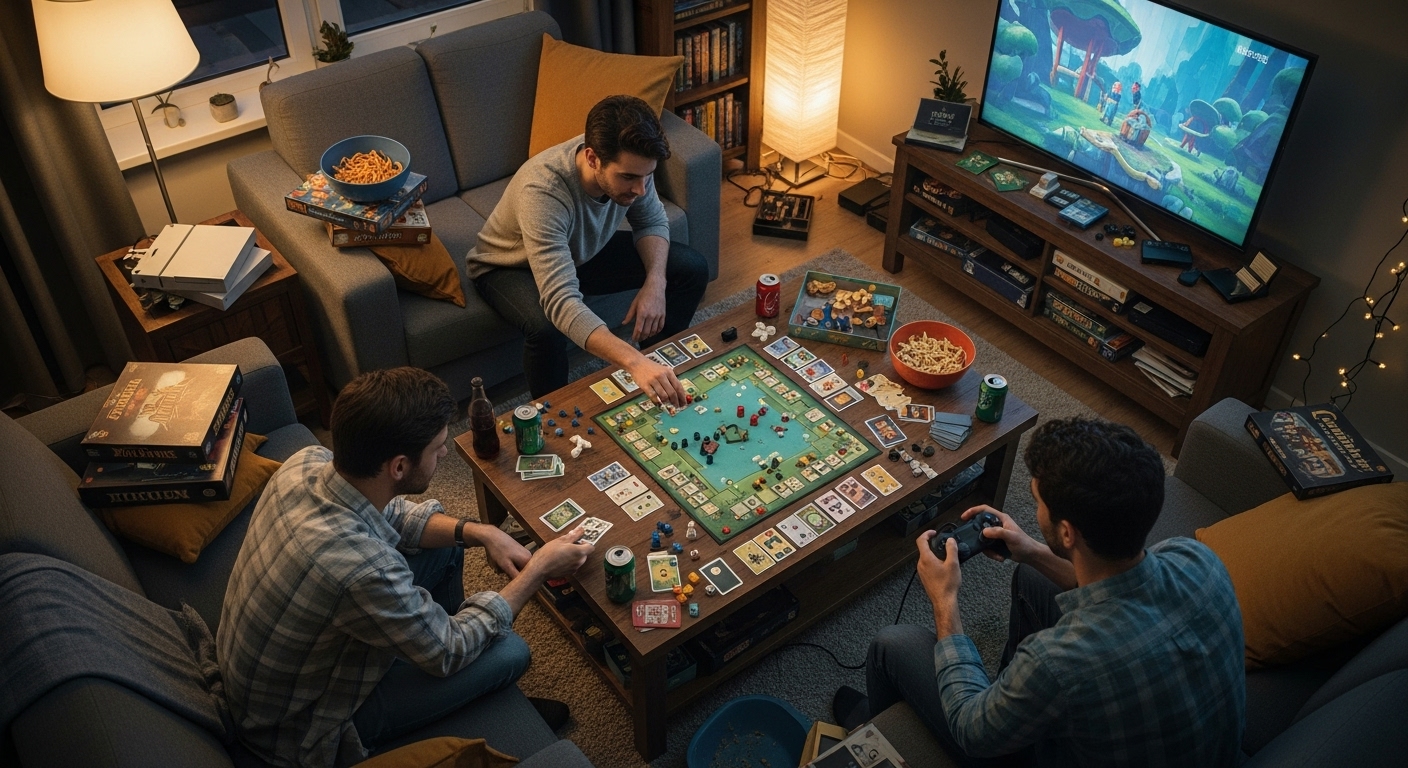
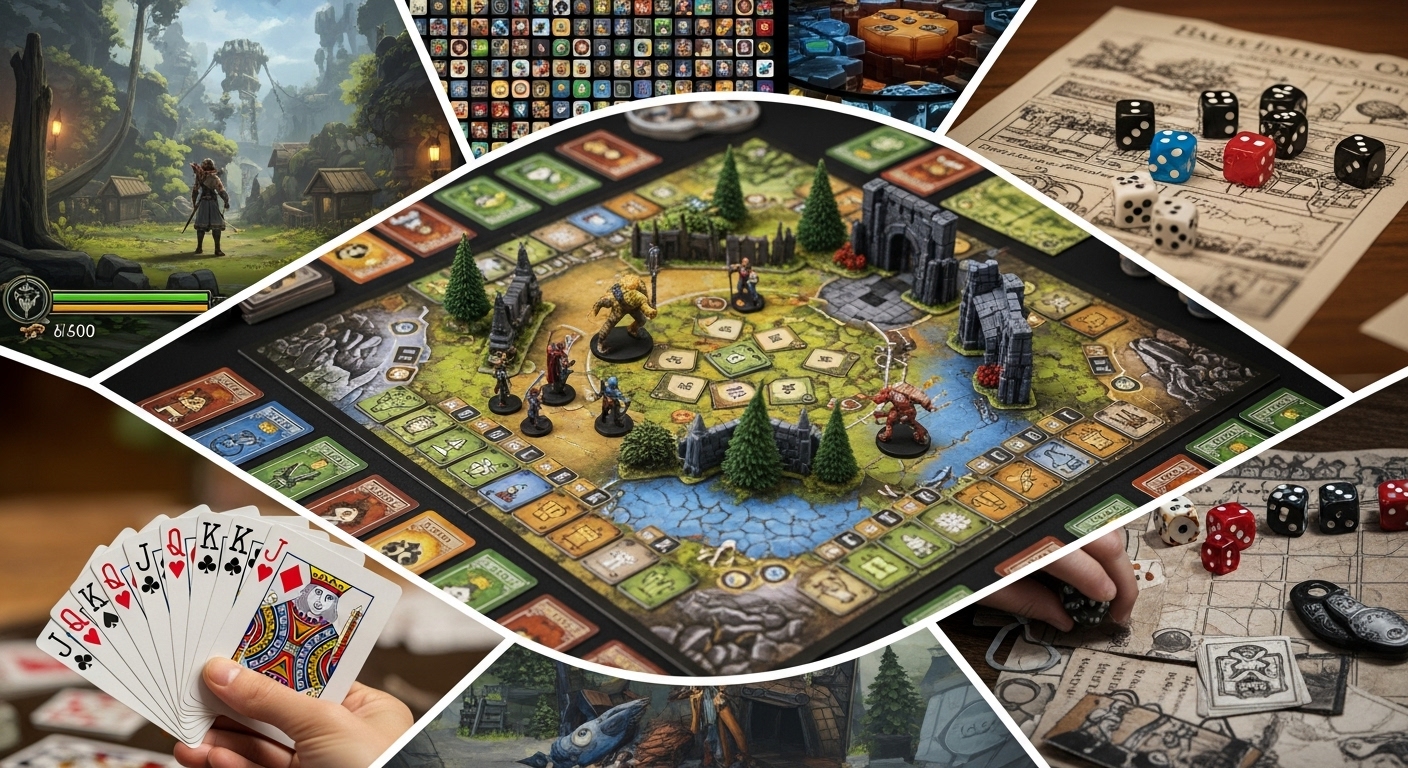
Before screens and controllers, games existed as an essential part of human civilization. Ancient Egyptians played Senet, a game symbolizing the journey of the soul through the afterlife. The Chinese developed Go, a game of strategy and intellect still played thousands of years later. Games like Chess and Mancala became tools for teaching leadership, patience, and strategic thinking. These early forms of play were not only sources of entertainment but also mirrors of cultural values and social structures. They fostered creativity, competition, and a sense of community—principles that remain at the core of modern gaming.
The Transformation from Physical to Digital
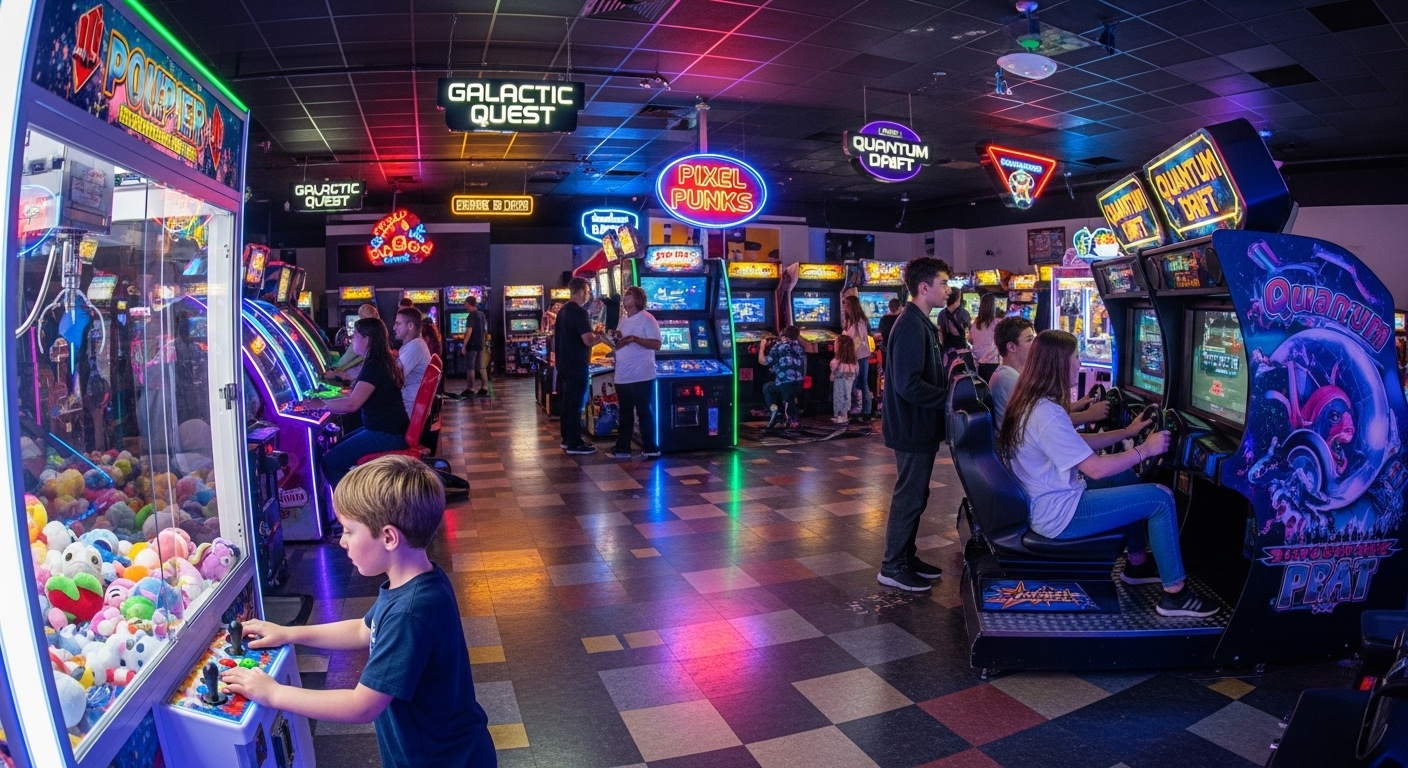
The 20th century witnessed a monumental shift from traditional tabletop games to electronic and digital experiences. The creation of video games in the 1970s changed entertainment forever. Simple yet captivating titles like Pong and Space Invaders paved the way for a global gaming culture. These early games ignited a revolution in how people interacted with technology. For the first time, players could control movement, make decisions, and influence outcomes on a digital screen. What was once passive entertainment became active participation.
The Golden Age of Gaming
The 1980s and 1990s are often regarded as the golden age of gaming. Iconic consoles such as the Nintendo Entertainment System, Sega Genesis, and PlayStation captured the hearts of millions. Legendary characters like Mario, Sonic, and Link became household names, inspiring generations of players. The introduction of 3D graphics marked a leap in visual realism, transforming games from simple two-dimensional experiences into fully immersive worlds. Developers began to experiment with narrative depth, music, and emotion, laying the groundwork for modern storytelling in games.
The Birth of Online and Multiplayer Experiences
As technology advanced, so did the way people played together. The introduction of online gaming in the late 1990s and early 2000s connected players from around the globe. No longer limited to local multiplayer or single-player campaigns, gamers could now collaborate or compete in real time. Online games such as Counter-Strike, World of Warcraft, and later Fortnite created vast digital communities. Players found friendships, rivalries, and even careers through gaming. This era transformed games into social spaces where communication and teamwork became just as important as skill.
Games as an Art Form
Modern games are more than entertainment—they are a form of artistic expression. Developers craft intricate worlds filled with compelling characters, emotional narratives, and breathtaking visuals. Games such as The Last of Us, Journey, and Shadow of the Colossus evoke powerful emotions and explore profound human themes. The combination of storytelling, music, and design transforms gaming into an interactive art form. Unlike traditional media, games allow players to be part of the story, shaping their own experiences and outcomes.
The Role of Technology in Modern Gaming
Technology has always been the driving force behind the evolution of games. Graphics engines, artificial intelligence, and physics simulations have reached levels once thought impossible. Games today feature lifelike environments, realistic character movements, and immersive soundscapes. The introduction of virtual reality and augmented reality has pushed boundaries even further, allowing players to step directly into digital worlds. As artificial intelligence advances, games are becoming more adaptive and personalized, creating unique experiences tailored to individual players.
The Rise of Mobile Gaming
The smartphone revolution made gaming more accessible than ever. With millions of titles available at one’s fingertips, mobile gaming has become the most widespread form of play in the world. From casual puzzle games to massive battle royales, mobile platforms cater to every type of gamer. This shift has opened doors for independent developers and new audiences, proving that gaming is no longer confined to consoles or PCs. It is now a daily part of life for people of all ages, backgrounds, and lifestyles.
Gaming and Social Interaction
Games have evolved into powerful tools for social connection. Online multiplayer games and social gaming platforms bring people together from different parts of the world. Whether it is forming teams in competitive games or exploring virtual worlds with friends, gaming provides a space for collaboration and shared experiences. In times of isolation, games offer a sense of belonging and companionship. Many players have found lifelong friends and communities through the digital worlds they inhabit.
The Educational Power of Games
Beyond fun and entertainment, games have tremendous educational potential. They teach critical thinking, strategy, creativity, and problem-solving in ways traditional learning often cannot. Educational games are used in schools to make subjects more engaging, while simulation-based games help professionals practice real-world scenarios safely. Games encourage experimentation and persistence, teaching players to learn from failure and adapt their strategies. The concept of gamification—applying game mechanics to non-game settings—has revolutionized education, training, and business environments alike.
The Business of Games
The gaming industry has grown into one of the most profitable sectors of entertainment, surpassing film and music combined. From massive studios to small independent creators, the business of gaming thrives on innovation. Esports, streaming, and content creation have introduced new career paths and revenue streams. Competitive gaming tournaments now draw millions of viewers and offer prize pools worth millions of dollars. The global influence of gaming extends beyond play—it drives technology, marketing, and digital culture in profound ways.
Games and Mental Health
Contrary to outdated beliefs, gaming can positively impact mental health when approached responsibly. Games provide relaxation, escapism, and a sense of achievement. They can reduce stress, improve focus, and enhance cognitive skills. Cooperative games encourage empathy and communication, while creative games allow players to express themselves freely. Many therapeutic programs now use gaming to treat anxiety, depression, and cognitive impairments. The key lies in balance—gaming should enrich life, not replace it.
Representation and Diversity in Games
As the gaming audience expands, so does the demand for representation and inclusivity. Modern games are increasingly featuring diverse characters, stories, and perspectives. Developers are embracing gender diversity, cultural authenticity, and social themes that resonate with a wider audience. Representation in gaming not only promotes understanding but also gives players the chance to see themselves reflected in the stories they love. This shift marks a powerful change in the industry, moving toward inclusivity and empathy.
The Future of Gaming: A New Reality
The future of gaming holds limitless possibilities. Cloud gaming is revolutionizing accessibility, allowing people to play high-quality games without expensive hardware. Artificial intelligence will continue to shape smarter, more responsive experiences. Virtual and augmented realities will create worlds that merge digital and physical spaces seamlessly. The integration of blockchain technology could change how players own and trade digital assets. As gaming becomes more interconnected with daily life, it will continue to redefine creativity, communication, and human interaction.
Games as Cultural Bridges
Games have become global cultural bridges, connecting people across borders through shared experiences. Players from different languages and backgrounds unite to achieve common goals. Through storytelling and world-building, games expose players to new ideas, histories, and perspectives. They promote cultural exchange and empathy in ways few other mediums can. Gaming proves that play is a universal human experience that can bring the world closer together.
Conclusion
Games have evolved from ancient rituals to digital masterpieces, from simple amusements to complex art forms that influence society and technology. They entertain, teach, connect, and inspire. In every corner of the world, games bring joy and spark imagination. Whether played on a board, a console, a phone, or in virtual reality, the essence of gaming remains the same—the joy of play and the power of creativity. As technology advances and human imagination expands, games will continue to shape our future. They are not just part of our culture; they are part of who we are.