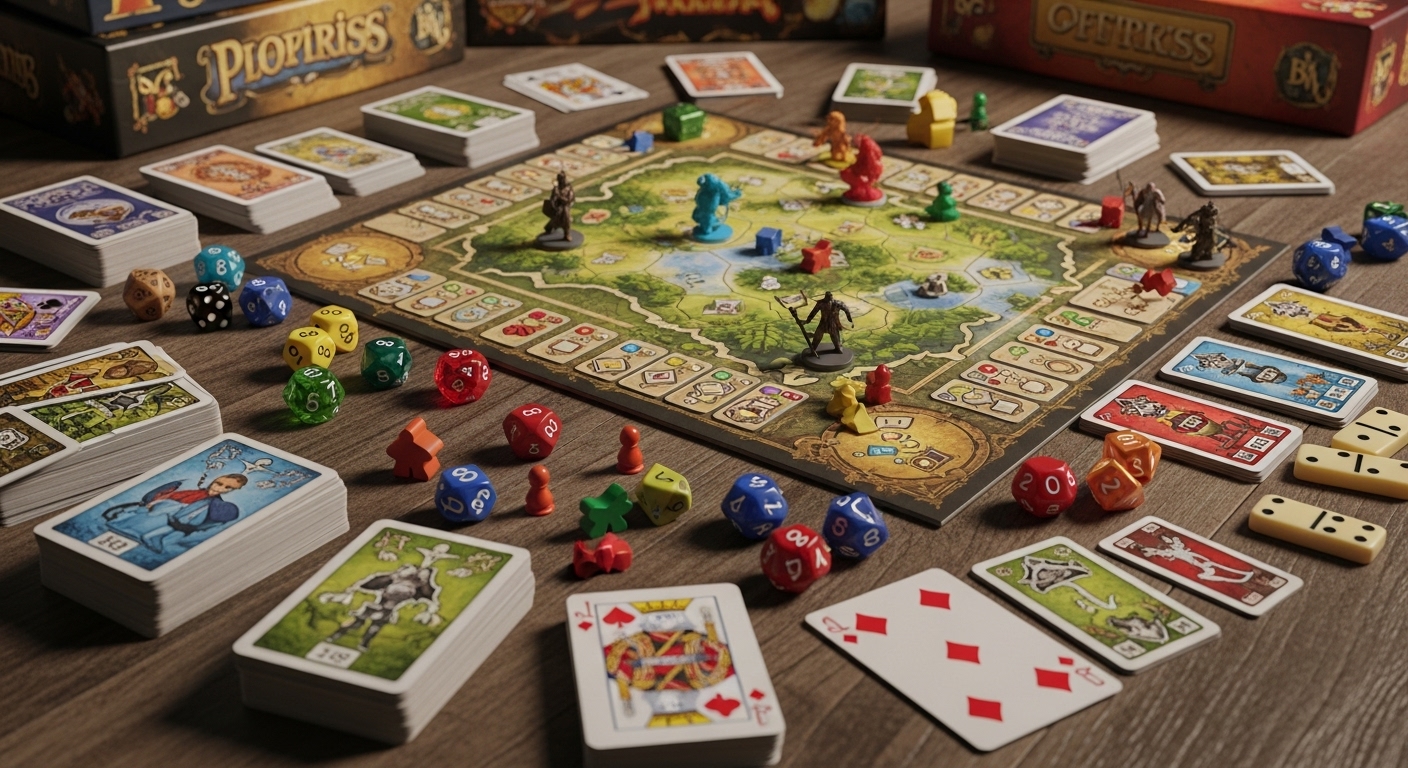







Games have always been more than just a pastime. They are a window into creativity, a platform for social connection, and a test of strategy, skill, and imagination. Over the decades, the gaming industry has evolved from simple pixelated experiences to fully immersive worlds that engage players on multiple levels. Today, we will delve into the realm of unique games—titles that stand out for their creativity, gameplay mechanics, storytelling, or overall concept. These games redefine what it means to play and offer experiences that linger long after the console is turned off or the device is set aside.
The Rise of Unique Gaming Experiences
The early days of gaming were dominated by arcade classics and home console titles that followed predictable patterns: jump, shoot, collect, and win. While these games were fun, the formulaic approach limited innovation. As technology advanced and player expectations grew, developers began exploring unconventional mechanics, narrative structures, and interactive experiences. Unique games are often born from a desire to experiment, break norms, and challenge the conventional understanding of gameplay.
Indie developers, in particular, have led this movement. With smaller teams and fewer restrictions, they have been able to take risks that major studios might avoid. The rise of digital distribution platforms also allowed these innovative titles to reach a global audience, proving that players are hungry for originality and creativity.
Puzzle Games that Challenge the Mind
One of the most enduring types of unique games is the puzzle genre. However, not all puzzle games are created equal. While some rely on traditional logic challenges, others combine story, art, and innovative mechanics to create an entirely new experience.
Games like “The Witness” transform the simple act of solving puzzles into a philosophical journey. Players navigate a vibrant, mysterious island while deciphering line-based puzzles that grow increasingly complex. What sets this game apart is not just the challenge itself but how it intertwines exploration, perspective, and perception. Each puzzle feels like part of a larger narrative about understanding and observation.
Another example is “Baba Is You,” a title that redefines the puzzle genre through its unique language-based mechanics. Players manipulate the rules of the game itself, transforming objects and behaviors by rearranging words. It encourages creative thinking in a way that traditional puzzles rarely achieve, giving players the thrill of solving problems by literally rewriting the rules.
Narrative-Driven Games that Defy Conventions
Storytelling in games has grown into a sophisticated art form, with some titles rivaling novels and films in depth and emotional impact. Narrative-driven games often offer unique experiences by presenting branching storylines, moral dilemmas, and deeply personal choices.
Games like “Journey” exemplify this approach. In this visually stunning experience, players traverse vast deserts, climb mountains, and explore ancient ruins—all while interacting with anonymous players they encounter along the way. The simplicity of the mechanics contrasts with the profound emotional journey it evokes, proving that games can communicate feelings and ideas without words.
“Disco Elysium” offers another innovative approach. This role-playing game replaces traditional combat with dialogue and decision-making, allowing players to explore the psyche of a deeply flawed detective. Every choice shapes the narrative, and the game challenges players to think critically about morality, identity, and society. Its unique blend of storytelling, character development, and intricate world-building makes it a standout in the gaming landscape.
Artistic and Experimental Games
Beyond puzzles and narratives, some games push the boundaries of art and experimentation. These titles focus less on traditional objectives and more on creating an immersive, sensory experience that encourages exploration and reflection.
Games like “Gris” offer a deeply emotional experience through stunning visuals and music. Players guide a young girl through a beautifully rendered world, solving environmental puzzles while experiencing a story about grief and resilience. The game communicates emotion not through dialogue but through color, movement, and sound, offering a profoundly unique approach to storytelling.
Similarly, “Outer Wilds” immerses players in a meticulously crafted solar system. It combines space exploration, mystery, and time loops, creating a sense of wonder and curiosity rarely found in mainstream titles. The game encourages experimentation and discovery, rewarding players for thinking creatively and observing their surroundings carefully. Its innovative design fosters a sense of connection to the universe itself, rather than just the game world.
Multiplayer Games with a Twist
Multiplayer games have long been dominated by competitive shooters and battle arenas, but unique multiplayer experiences are increasingly gaining attention. These games often focus on collaboration, creativity, or unconventional objectives, offering something different from standard player-versus-player combat.
“Keep Talking and Nobody Explodes” is a brilliant example. One player sees a bomb on their screen while others have the instructions to defuse it. Communication is key, and the tension is real, as mistakes can lead to digital explosions. The game thrives on teamwork and communication, transforming multiplayer gaming into a highly social and interactive experience.
Another intriguing title is “Among Us,” which turned social deduction into a global phenomenon. Players work together to complete tasks while trying to identify the impostor among them. The combination of strategy, deception, and social interaction creates a unique experience that emphasizes communication, psychology, and human behavior over traditional gameplay mechanics.
Games that Explore Emotion and Philosophy
Some of the most unique games go beyond entertainment to explore emotions, human behavior, and philosophical concepts. These games often provoke deep reflection and linger in the mind long after playing.
“That Dragon, Cancer” is an emotionally powerful game that tells the story of a family coping with a child’s terminal illness. It blends narrative, visuals, and interactivity to create an intimate experience that is as heartbreaking as it is profound. By leveraging the unique strengths of the gaming medium, it allows players to engage with grief and love in ways that traditional media cannot.
“Spec Ops: The Line” challenges players’ perceptions of morality in gaming. While it appears to be a conventional military shooter, its narrative forces players to confront the consequences of their actions, blurring the line between right and wrong. It is a reminder that games can be more than entertainment—they can be thought-provoking experiences that question players’ values and assumptions.
The Future of Unique Games
The future of gaming is poised to become even more diverse and experimental. Emerging technologies such as virtual reality, augmented reality, and artificial intelligence provide new tools for creating immersive and unprecedented experiences. VR titles like “Half-Life: Alyx” and experimental AI-driven games push the boundaries of interactivity, allowing players to engage with virtual worlds in increasingly natural and complex ways.
Indie developers will continue to play a crucial role in shaping the landscape of unique games. Freed from the commercial pressures that dominate larger studios, they can experiment with mechanics, narratives, and aesthetics that mainstream titles might never attempt. Player communities are also becoming more engaged, often participating in the development process through feedback, mods, and collaborative projects, further fueling innovation.
Why Unique Games Matter
Unique games are more than just novelties—they are essential for the growth and evolution of the gaming industry. They challenge conventional wisdom, expand the definition of what games can be, and inspire both players and developers to think creatively. They demonstrate that games are a medium capable of art, storytelling, social interaction, and personal reflection, not just entertainment.
For players, engaging with unique games broadens horizons and develops critical thinking, creativity, and empathy. For developers, these games offer a playground for innovation and experimentation, pushing the boundaries of technology, design, and narrative. Together, these forces create a vibrant and diverse gaming ecosystem where imagination knows no limits.
Conclusion
The world of unique games is vast, varied, and endlessly fascinating. From mind-bending puzzles and emotionally charged narratives to artistic explorations and unconventional multiplayer experiences, these games redefine what it means to play. They invite us to think differently, feel deeply, and experience worlds we could never imagine otherwise.
As technology advances and creative minds continue to push boundaries, the future of gaming promises even more innovation, experimentation, and unique experiences. Players and developers alike are participants in this ever-evolving landscape, proving that games are not just a form of entertainment—they are a medium for creativity, exploration, and human connection.
In the end, unique games remind us that the magic of gaming lies not just in winning or completing objectives, but in discovering new ways to experience the world, challenge the mind, and touch the heart.