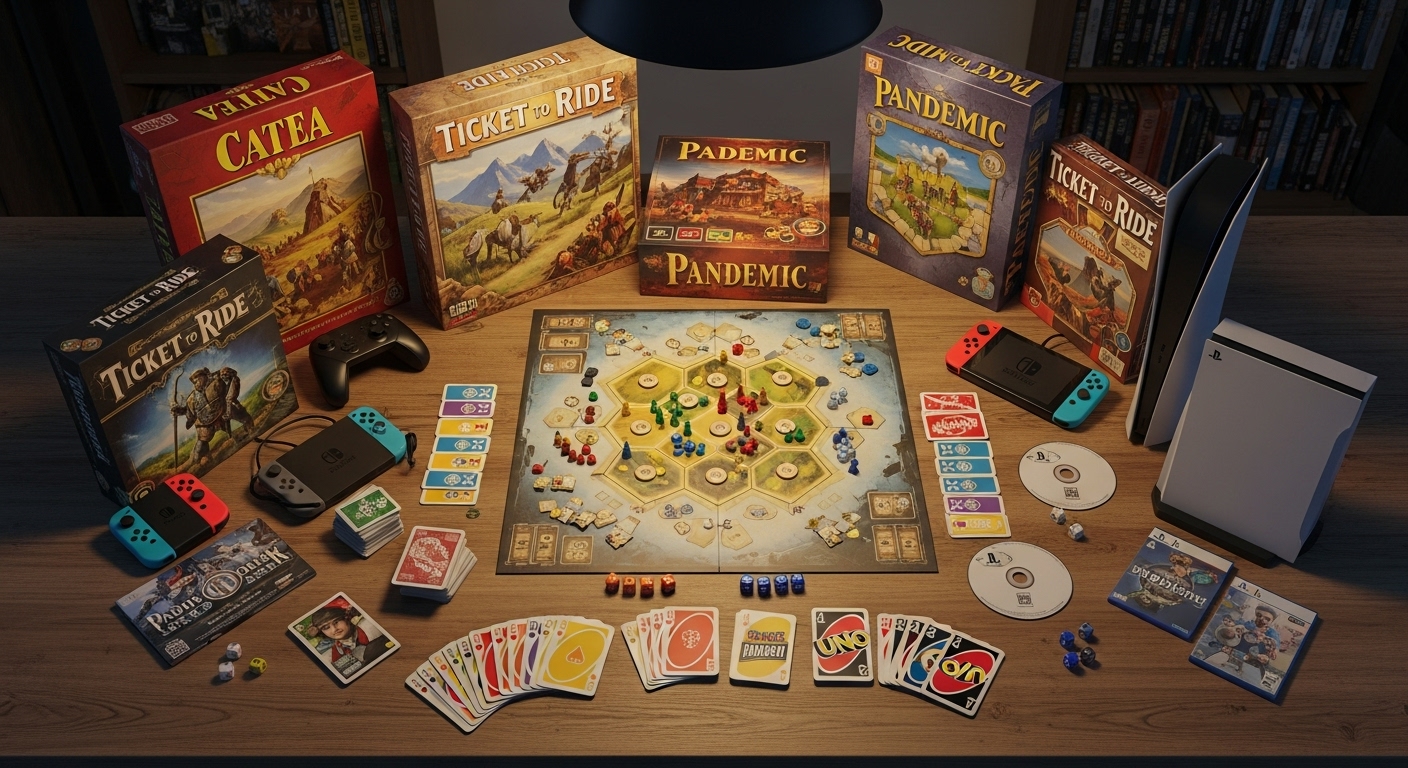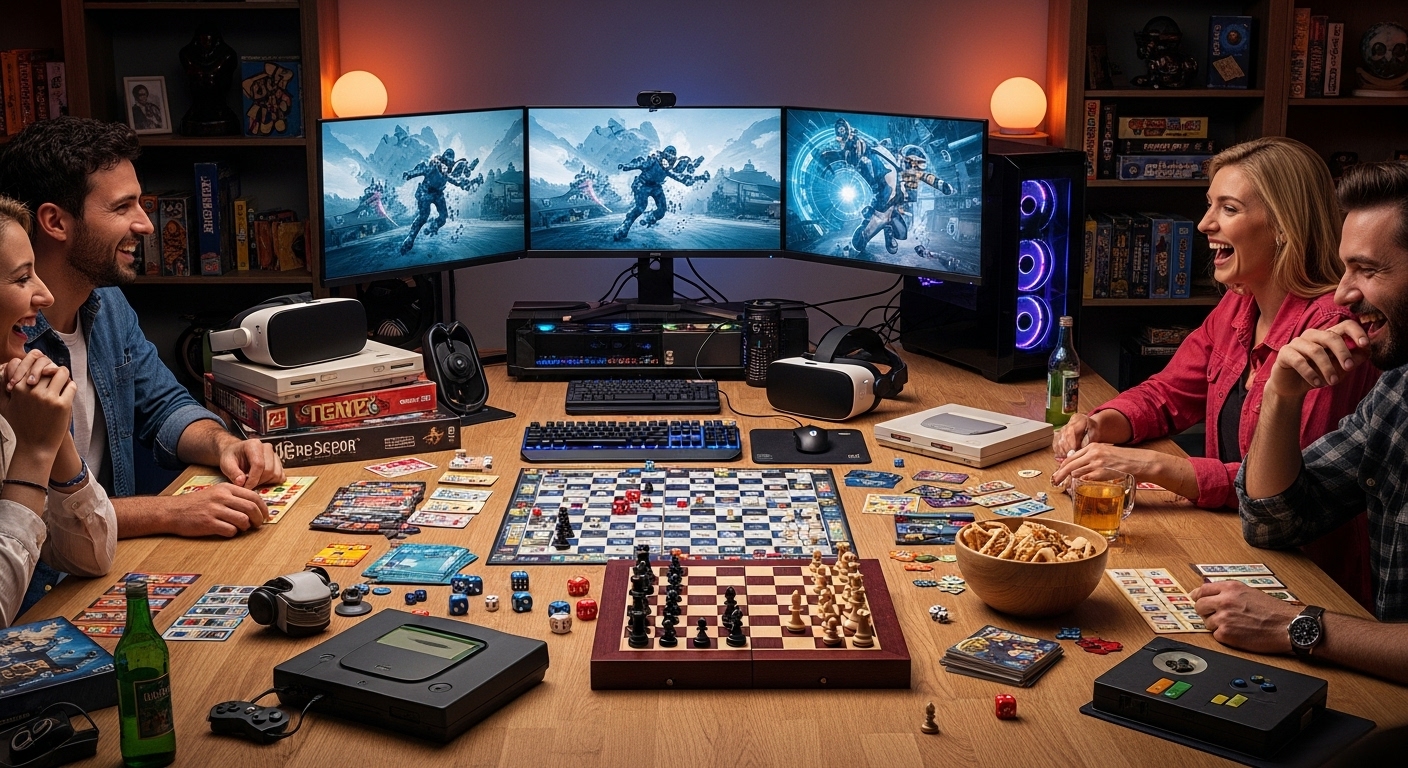







Games have always been an integral part of human culture. From ancient board games to modern video games, they have served as a source of entertainment, social interaction, and intellectual challenge. However, the world of gaming has evolved far beyond conventional norms, giving rise to a variety of unique and unconventional games that captivate players with originality and creativity. These games challenge traditional concepts of gameplay, storytelling, and player engagement, creating experiences that linger long after the screen is turned off. In this blog post, we will explore some fascinating examples of unique games, the principles behind their design, and the reasons why they leave such a lasting impression on players.
The Appeal of Unique Games
Traditional games often rely on familiar mechanics, such as puzzles, combat, or point accumulation. While these elements are enjoyable, unique games distinguish themselves by offering experiences that are unexpected, thought-provoking, or emotionally engaging. The appeal of unique games lies in their ability to break free from conventional rules, encouraging players to think differently, explore alternative narratives, or interact with the game world in unusual ways.
Unique games also foster a strong sense of curiosity. Players are drawn to the unknown, eager to discover how a game challenges their perceptions or presents an innovative way to engage with familiar concepts. This curiosity transforms gameplay into an experience of exploration, experimentation, and self-discovery, which is often more memorable than the mere completion of levels or accumulation of points.
Experimental Gameplay Mechanics
One of the defining features of unique games is their experimental approach to gameplay mechanics. Unlike traditional games that adhere to well-established formulas, these games often introduce mechanics that are unconventional or abstract. For example, some games require players to manipulate time, physics, or perception to solve challenges. Others may challenge players to communicate with the game through unconventional means, such as gestures, voice, or environmental observation.
Experimental mechanics do more than simply entertain; they engage players’ problem-solving skills and encourage creative thinking. By presenting unexpected challenges, these games foster a sense of discovery and accomplishment that is deeply satisfying. Moreover, they often invite players to question the rules themselves, prompting reflection on the nature of games, interaction, and choice.
Storytelling Through Unique Games
While gameplay mechanics are important, narrative innovation is another hallmark of unique games. Storytelling in such games often transcends traditional linear or branching plots. Instead, these games weave narratives that are emergent, environmental, or player-driven. In some cases, the story unfolds through subtle visual cues, ambient sounds, or interactions with the game world rather than explicit dialogue or cutscenes.
This approach allows players to become active participants in the narrative rather than passive observers. They shape the story through their decisions, exploration, and interpretation of the environment. The result is a deeply personal experience, as no two players may perceive the story in exactly the same way. Unique storytelling can evoke emotions ranging from wonder and awe to empathy and melancholy, making the gaming experience profoundly immersive.
Social and Cooperative Experiences
Some of the most intriguing unique games are those that emphasize social interaction and cooperation. Unlike competitive games that pit players against one another, these experiences encourage collaboration, communication, and shared problem-solving. They often introduce mechanics that require players to understand each other’s perspectives, coordinate actions, or convey information in creative ways.
Such games highlight the human element of gaming, turning the activity into a social experiment as well as entertainment. They challenge players to connect, empathize, and adapt to each other’s strategies, fostering teamwork and collaboration. The uniqueness lies not only in the mechanics themselves but also in the way these games transform ordinary social interactions into compelling gameplay experiences.
Art and Aesthetic Innovation
Unique games frequently stand out because of their artistic vision and aesthetic innovation. Unlike mainstream games that often prioritize realism or commercial appeal, these games explore bold visual styles, experimental soundscapes, and unconventional design choices. Some may feature minimalist graphics that convey emotion through color and form, while others use surreal imagery to create dreamlike worlds that defy logic.
Artistic innovation in games serves multiple purposes. It can reinforce the narrative, influence gameplay, and evoke emotional responses. A striking visual or auditory design can leave a lasting impression, transforming a game from mere entertainment into a work of art. For players, this emphasis on creativity and artistry enhances immersion, encouraging them to appreciate the game as an expressive medium rather than just a challenge to be completed.
Games That Challenge Perception
Certain unique games are designed to challenge players’ perception and cognition. These games may manipulate visual perspectives, distort spatial awareness, or require unconventional problem-solving. By altering the way players perceive the game world, they create a sense of wonder, disorientation, and curiosity.
These perception-based games are particularly intriguing because they highlight the intersection between gaming and psychology. They explore how humans interpret visual, auditory, and spatial information, turning gameplay into an exercise in mental agility. Players often find themselves questioning what is real within the game, stretching their imagination, and reconsidering their assumptions about rules and boundaries.
The Role of Minimalism and Constraint
Minimalism is another approach that some unique games embrace. By intentionally limiting resources, controls, or options, minimalist games encourage players to think strategically and creatively. Constraints often force players to focus on the essence of gameplay, revealing depth in simplicity.
Minimalist games demonstrate that uniqueness does not always require complexity. Sometimes, a few well-designed mechanics or a subtle narrative can produce an experience more profound than a sprawling, feature-heavy game. The elegance of minimalism lies in its ability to distill gameplay to its purest form, providing a meditative, contemplative, or intellectually stimulating experience.
Emotional and Philosophical Engagement
Many unique games aim to evoke emotions or provoke philosophical reflection. Beyond entertainment, they encourage players to confront existential questions, explore moral dilemmas, or experience empathy for other perspectives. These games often leave a lasting impact because they resonate on a personal level, creating memories that extend beyond gameplay.
For example, games that explore themes of loss, identity, or interconnectedness can inspire deep introspection. Players may find themselves considering their own choices, values, and relationships. This emotional and intellectual engagement elevates unique games to a form of interactive art that transcends conventional notions of fun.
The Future of Unique Games
As technology continues to evolve, the potential for unique games grows exponentially. Advances in virtual reality, artificial intelligence, procedural generation, and haptic feedback open new avenues for creativity and innovation. Developers can craft experiences that adapt dynamically to individual players, create immersive worlds with unprecedented realism, or enable social interactions in ways never before possible.
The future of unique games lies in experimentation and boundary-pushing. Players are increasingly seeking experiences that surprise, challenge, and inspire them. In response, developers are embracing risk, exploring unconventional mechanics, and prioritizing artistic expression. This trend suggests that the gaming landscape will continue to diversify, offering experiences that are as intellectually and emotionally stimulating as they are entertaining.
Conclusion
Unique games represent a bold and exciting frontier in the world of gaming. They challenge conventions, inspire creativity, and provide experiences that resonate on intellectual, emotional, and artistic levels. Through experimental mechanics, innovative storytelling, social cooperation, aesthetic brilliance, and philosophical engagement, these games demonstrate the immense potential of interactive entertainment.
By embracing the unconventional, unique games remind us that play is not just about rules, points, or victories—it is about exploration, discovery, and connection. They push us to see the world differently, think creatively, and engage deeply with both the game and ourselves. As the gaming industry continues to evolve, unique games will undoubtedly play a crucial role in shaping the future of play, inspiring players and creators alike to imagine what lies beyond the screen.