





Gaming has become more than just a pastime; it is an immersive experience, a cultural phenomenon, and an industry that reaches millions of people across the globe. From casual mobile games to intense multiplayer online battles, gaming spans an incredible range of genres, styles, and platforms. Whether you are a seasoned gamer or a newcomer exploring virtual worlds, the evolution of gaming continues to shape the way we entertain ourselves, connect with others, and even think about storytelling.
In this blog post, we’ll take a closer look at the gaming universe, exploring its history, the impact it has on modern culture, the different types of games available today, and how gaming is evolving with new technologies and experiences.
The Beginnings of Gaming: From Arcades to Consoles
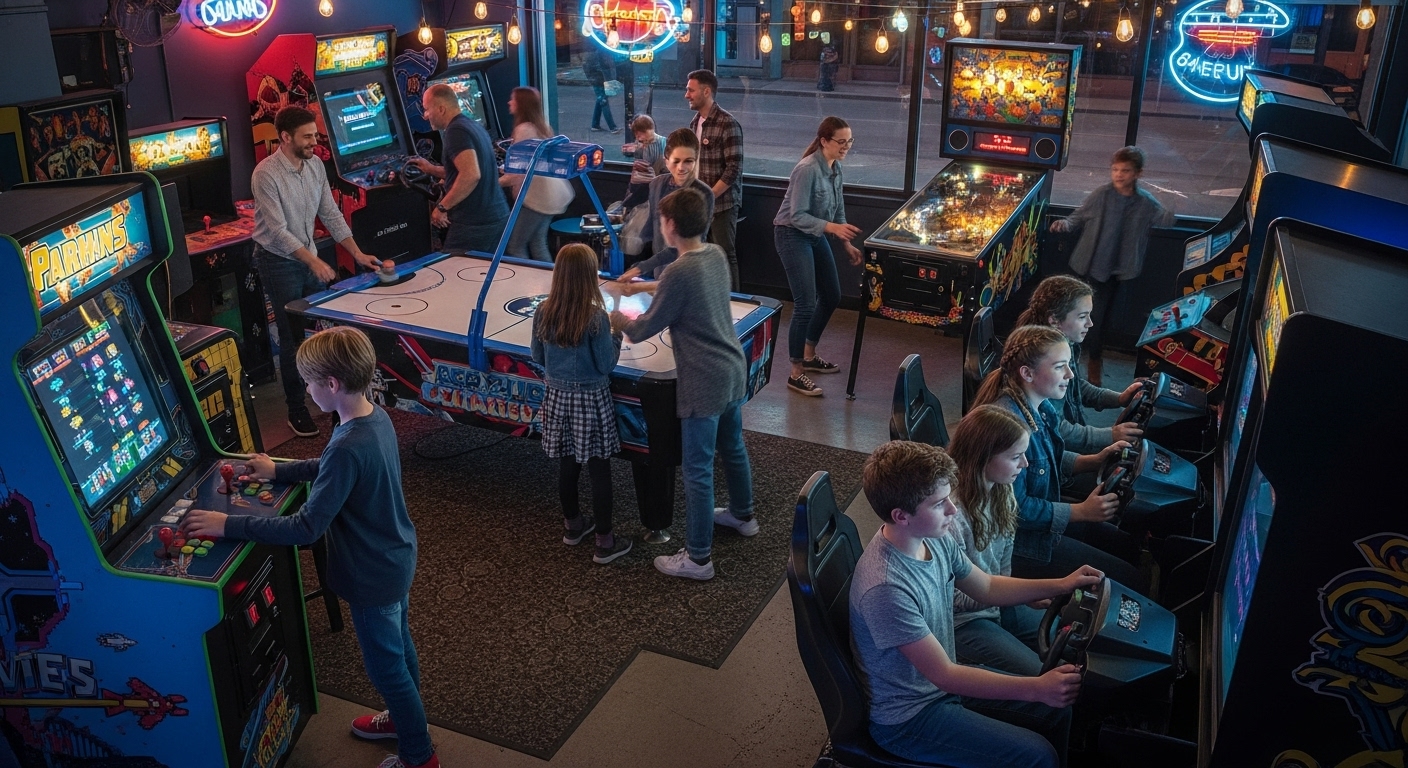
Video games have been around for decades, but the journey from simple pixelated screens to the hyper-realistic experiences we enjoy today has been long and exciting. The first generation of video games appeared in the 1950s and 1960s, but it wasn’t until the 1970s that they began to gain significant attention. Pong, one of the first successful arcade games, debuted in 1972, and it quickly captured the public’s imagination. Games were simple, yet engaging, and the idea of interactive entertainment took hold.
The 1980s brought the rise of home consoles like the Atari 2600 and the Nintendo Entertainment System (NES), making video games more accessible to the masses. These early consoles introduced gamers to iconic franchises like Super Mario Bros., Pac-Man, and The Legend of Zelda, which became cultural landmarks.
In the 1990s, the gaming industry began to diversify, with the introduction of 3D graphics, more complex storylines, and the development of multiplayer online games. The PlayStation, Sega Genesis, and Nintendo 64 brought home gaming to a new level, and the arrival of PC gaming also added a new dimension to the experience.
The Rise of Online Gaming: A New Era of Interaction
The turn of the millennium marked a turning point in the gaming world. Online multiplayer gaming exploded in popularity, giving players the ability to connect with others across the globe. Games like World of Warcraft, Halo, and Counter-Strike allowed players to battle or cooperate with one another in real-time, often forming communities and friendships that transcended the screen.
MMORPGs (Massively Multiplayer Online Role-Playing Games) became particularly influential, with titles like World of Warcraft reaching millions of players and creating expansive virtual worlds where users could spend hours, days, or even years building characters, completing quests, and exploring vast landscapes.
Online gaming also paved the way for esports, which has become one of the fastest-growing sectors in entertainment. Competitive gaming has evolved into a professional industry, with tournaments offering large cash prizes and drawing crowds comparable to traditional sports events.
The Diversity of Gaming: Genres for Every Taste
One of the key aspects of gaming that has contributed to its massive popularity is the sheer variety of genres available. Whether you’re looking for action-packed adventure, strategic thinking, or puzzle-solving fun, there’s a game for everyone. Here are some of the most popular genres that dominate the gaming world today.
Action Games
Action games are often fast-paced and require quick reflexes and coordination. These games typically involve a lot of physical challenges, including combat, exploration, and evasion. Popular titles in this genre include Grand Theft Auto, Call of Duty, and Assassin’s Creed. These games allow players to immerse themselves in dynamic worlds full of intense, action-packed sequences, often accompanied by gripping narratives.
Role-Playing Games (RPGs)
Role-playing games (RPGs) allow players to take on the persona of a character and experience a story-driven adventure. RPGs can be deeply immersive, offering complex plotlines, character customization, and a high level of interactivity. Games like The Elder Scrolls V: Skyrim, Final Fantasy, and The Witcher 3 are staples of the genre, known for their open worlds, rich lore, and intricate quests. The choices players make often affect the direction of the story, making each playthrough unique.
Strategy Games
Strategy games, both real-time (RTS) and turn-based (TBS), are designed to test players’ decision-making, resource management, and tactical skills. Players are typically tasked with controlling armies, cities, or entire civilizations, making strategic decisions that affect the outcome of the game. StarCraft, Civilization VI, and XCOM are some of the most popular strategy games, offering a deep level of gameplay and requiring players to think several steps ahead.
Sports and Racing Games
For fans of physical competition, sports and racing games are a popular choice. These games simulate real-world sports, allowing players to compete in everything from soccer and basketball to racing and tennis. FIFA, NBA 2K, and Gran Turismo are top titles in this genre, providing players with the opportunity to engage in realistic simulations of their favorite sports.
Simulation Games
Simulation games focus on recreating real-world activities, whether it’s managing a city, running a farm, or piloting an aircraft. Games like The Sims, SimCity, and Microsoft Flight Simulator allow players to simulate various aspects of life and work, offering an escape from reality while providing a sense of control and accomplishment.
Horror Games
For those who love to be frightened, horror games offer a spine-chilling experience. These games are designed to create suspense and fear through eerie atmospheres, terrifying monsters, and jump scares. Resident Evil, Silent Hill, and Amnesia: The Dark Descent are prime examples of horror games that immerse players in dark and unsettling worlds. Horror games often evoke a sense of vulnerability, making them an exhilarating choice for adrenaline-seeking players.
Puzzle and Indie Games
Puzzle games focus on solving problems, whether they are logical, spatial, or mechanical in nature. Games like Tetris, Portal, and Candy Crush challenge players’ minds and provide a sense of satisfaction upon completing increasingly difficult puzzles. Indie games, which are often created by small development teams, have become a major part of the gaming landscape, with titles like Hollow Knight and Celeste standing out for their creativity, storytelling, and unique art styles.
The Social Aspect of Gaming: Connecting Players Around the World
Gaming has evolved from a solitary activity into a highly social experience. Thanks to the internet, players can connect with others around the world, form teams, and compete in global tournaments. Multiplayer games have become the backbone of modern gaming, fostering cooperation and friendly competition among players.
Online gaming communities often extend beyond the game itself, with platforms like Discord, Twitch, and YouTube offering spaces for players to interact, share experiences, and showcase their skills. These platforms have given rise to a new generation of content creators and influencers, who live-stream their gameplay and create videos that entertain and educate fellow gamers.
Esports has also grown into a global industry, with professional players competing in tournaments for large cash prizes. Games like League of Legends, Dota 2, and Fortnite have turned competitive gaming into a spectator sport, attracting millions of viewers worldwide. Esports has even earned a spot in prestigious events like the Asian Games, solidifying its place in mainstream culture.
The Impact of Mobile Gaming: Games in Your Pocket
The rise of smartphones and tablets has made gaming more accessible than ever before. Mobile gaming has exploded in popularity, with games like Candy Crush, Clash of Clans, and Pokémon GO reaching massive audiences. The appeal of mobile games lies in their convenience—they can be played anywhere, anytime, and often don’t require a high level of investment or time commitment.
In addition to casual games, mobile platforms have also introduced more complex games, including Genshin Impact and PUBG Mobile. With powerful graphics and deeper gameplay experiences, mobile gaming has carved out a niche for both casual players and dedicated gamers looking for a portable option.
The Future of Gaming: Innovations and Trends to Watch
The future of gaming is undoubtedly exciting. As technology continues to advance, new innovations will enhance gameplay, storytelling, and the overall gaming experience.
Virtual Reality (VR) and Augmented Reality (AR)
Virtual reality (VR) has the potential to revolutionize gaming by offering fully immersive experiences that transport players into digital worlds. VR headsets like the Oculus Rift and PlayStation VR are already allowing players to explore games in 360 degrees, interact with the environment, and experience new levels of realism.
Augmented reality (AR) is another technology that could change how we play games. By overlaying digital elements onto the real world, games like Pokémon GO have already demonstrated how AR can blend the virtual and physical worlds. In the future, we could see more AR-driven experiences that use mobile devices or wearable tech to enhance gameplay.
Cloud Gaming
Cloud gaming is a game-changer, allowing players to stream games directly to their devices without the need for high-end hardware. Services like Google Stadia and NVIDIA GeForce Now are leading the charge in this area, offering access to AAA games on low-spec devices. As internet speeds improve and cloud infrastructure becomes more advanced, cloud gaming could make gaming even more accessible and eliminate the need for expensive consoles and PCs.
Conclusion: The Enduring Appeal of Gaming
The world of gaming has evolved tremendously, and its influence on culture, technology, and entertainment shows no signs of slowing down. From the earliest arcade games to today’s immersive multiplayer experiences, gaming continues to captivate and engage millions of people worldwide. Whether you’re a casual mobile gamer