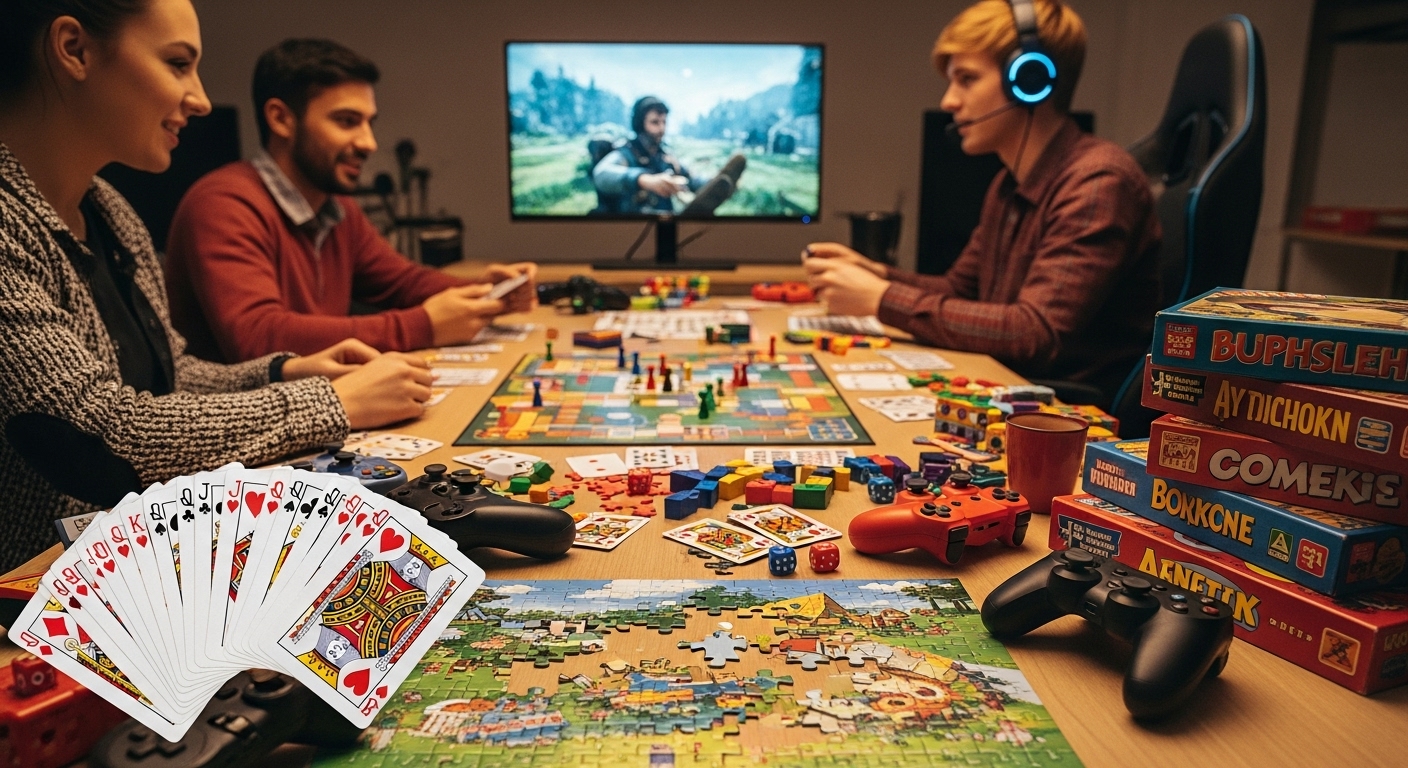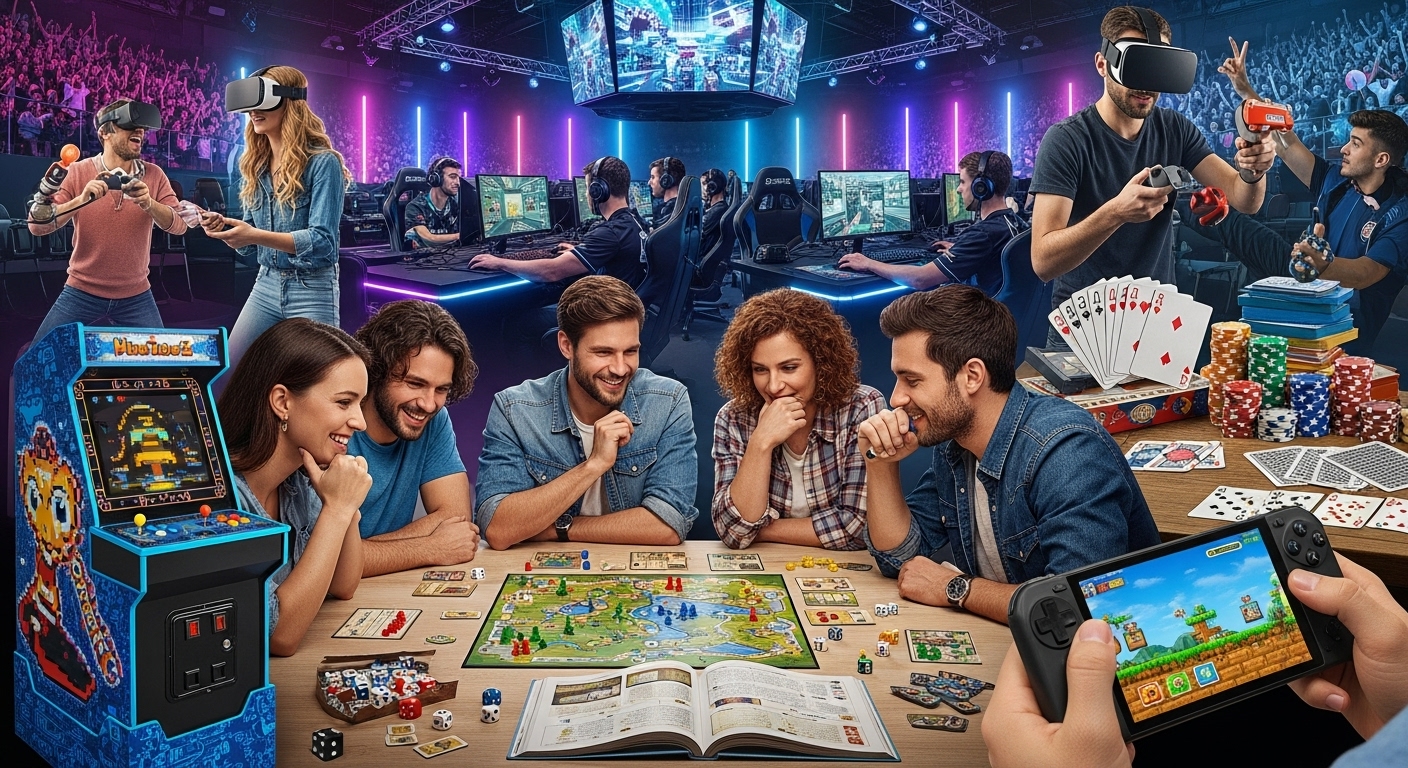






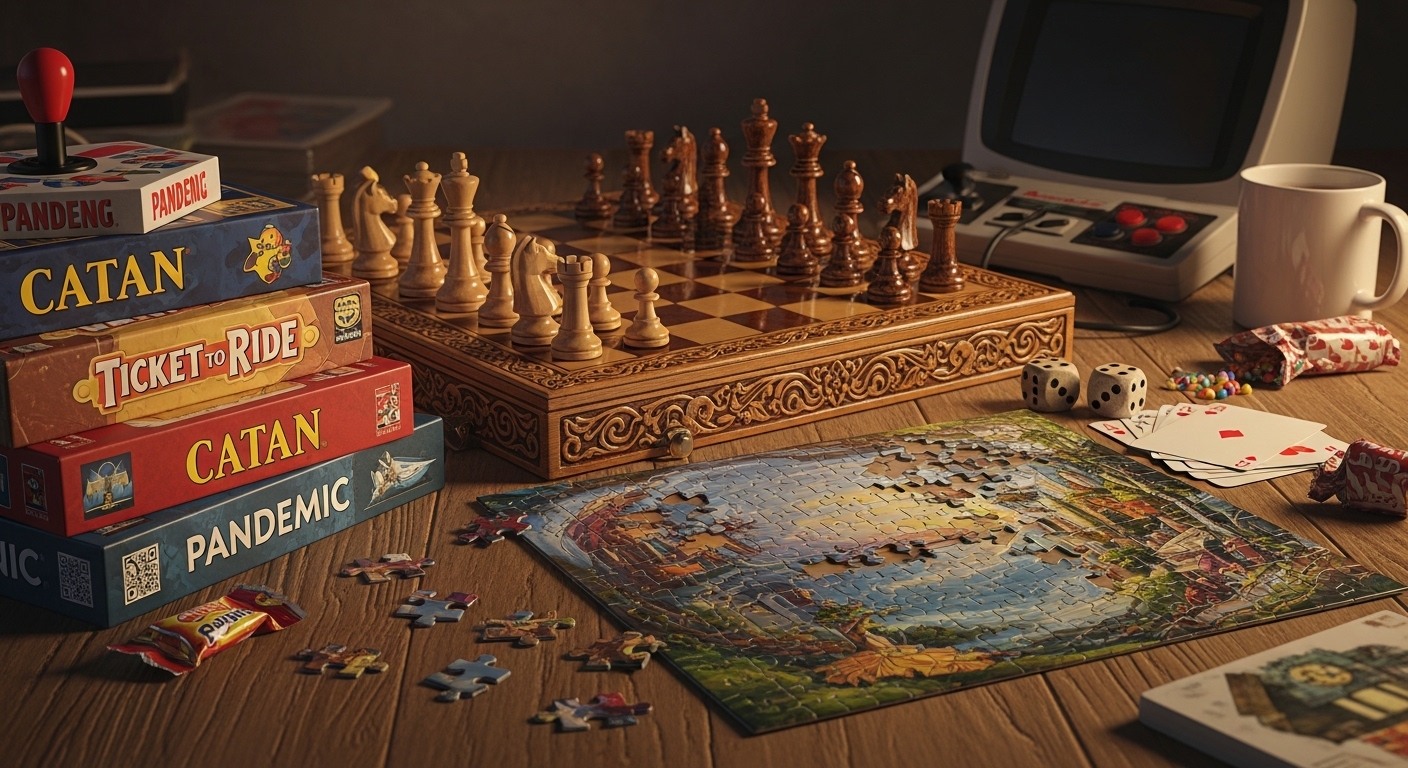
Games have been a part of human culture for thousands of years, transcending boundaries of time, geography, and technology. From ancient board games to today’s expansive digital universes, games have always served as a way for people to challenge themselves, entertain one another, and connect with others. The gaming world is vast and ever-evolving, incorporating elements of strategy, creativity, competition, and collaboration. In this blog post, we will explore the fascinating evolution of games, examine how they have shaped and been shaped by culture, and look forward to the exciting future of gaming.
The Origins of Gaming: Ancient Beginnings
The history of games can be traced back to ancient civilizations, where games were often tied to social, educational, and even spiritual practices. Early examples of games include the Royal Game of Ur from Mesopotamia, Senet from Ancient Egypt, and various types of dice games that date back thousands of years. These games weren’t just forms of entertainment; they played a vital role in teaching strategy, patience, and sometimes even reflecting the belief systems of the time.
Games like Senet, which was played with pieces on a board and dice, had symbolic connections to the afterlife in ancient Egyptian culture. The objective of such games was often more about skill and intellectual development than just amusement, serving as metaphors for life, death, and rebirth. The introduction of board games brought an element of strategy and critical thinking that would become central to the games we know today.
Board Games: Strategy and Social Interaction
As civilizations grew, so did the complexity and variety of games. The development of classic board games such as chess, checkers, and Go introduced new layers of complexity, encouraging strategy, patience, and forward-thinking. These games are as much about understanding your opponent as they are about using your own mind to formulate the perfect move.
Chess, for example, requires players to think several steps ahead, considering possible moves and counter-moves. It is not just a test of intelligence but also a social activity, bringing people together for friendly competition. Go, an ancient Chinese board game, has a vast range of strategy despite its simple rules, demonstrating that games can offer limitless possibilities within even the simplest frameworks.
While board games have their roots in ancient history, they have continued to evolve and remain popular today. Modern titles such as Catan, Carcassonne, and Pandemic introduce new elements such as resource management, cooperative play, and narratives that challenge players to think outside the traditional competitive model.
Card Games: The Fusion of Luck and Skill
Card games are another important evolution in the history of games. From the humble deck of playing cards to the complexity of trading card games (TCGs), such as Magic: The Gathering and Pokémon, card games combine elements of chance with strategy and skill.
Poker is perhaps the most iconic card game that highlights the interplay between luck and skill. Players must decide when to take risks, when to fold, and how to bluff in order to outmaneuver their opponents. The excitement in card games comes from the uncertainty—while cards are dealt randomly, success often depends on the player’s ability to make the most of the hand they’re given.
The rise of trading card games, especially in the late 20th century, added new dimensions to the concept of collectible play. Players collect, trade, and build their own decks to create unique strategies, turning card games into a hobby, a lifestyle, and even a professional pursuit in some cases.
Physical Games: Engaging the Body and Mind
While much of gaming today revolves around digital entertainment, physical games have always played a critical role in developing both physical and mental skills. Traditional sports like soccer, basketball, and tennis require coordination, teamwork, and discipline. These games are not just about physical activity but also about the psychological aspects of competition, such as resilience, focus, and leadership.
In addition to organized sports, simple physical games like tag, hopscotch, and hide-and-seek have served as staples of childhood entertainment, promoting social interaction and creativity. These types of games require little more than a group of people and an open space, but they help develop motor skills, teamwork, and imagination. Whether in a park or a schoolyard, these games have been fundamental in teaching the value of physical play and social cooperation.
The Rise of Video Games: A Digital Revolution
The arrival of video games in the late 20th century was a game-changer for entertainment. Starting with simple pixel-based games like Pong and Pac-Man, video games quickly grew in complexity and scope, offering a new form of interactive entertainment. The first home consoles, such as the Atari 2600 and the Nintendo Entertainment System (NES), allowed players to engage with games in their own living rooms, making gaming accessible to the masses.
Video games are unique in their ability to combine storytelling with interactive elements. Games like The Legend of Zelda and Super Mario Bros. not only provided challenges but also introduced players to immersive worlds where they could control the narrative. The evolution from pixelated graphics to detailed 3D environments marked the beginning of a new era in entertainment.
Today, video games cover a wide range of genres, from action-packed shooters to story-driven role-playing games (RPGs). The diversity of games available means that there is something for every type of player, whether they prefer complex strategy, fast-paced action, or deep storytelling.
Online Multiplayer Games: Connecting Players Worldwide
One of the most significant advancements in the gaming world has been the rise of online multiplayer games. The internet revolutionized gaming, allowing players from all corners of the globe to connect, collaborate, and compete in real-time. Games like World of Warcraft, Fortnite, and League of Legends are prime examples of how online gaming has changed the landscape of play.
These games create virtual communities where players can team up, form guilds, and engage in massive, multiplayer battles. The social aspect of online gaming is one of its greatest appeals, as players interact with others who share similar interests and passions. Moreover, online gaming has led to the rise of esports, where professional players compete for global recognition and substantial cash prizes.
Online gaming has also opened up new opportunities for socialization. With the rise of streaming platforms like Twitch, players can watch live gameplays, engage with their favorite streamers, and even participate in fan communities. The sense of community and shared experience has made online gaming a social activity as much as a competitive one.
Mobile Gaming: Gaming on the Go
With the advent of smartphones, mobile gaming has exploded in popularity. Games like Candy Crush, Clash of Clans, and Angry Birds have brought gaming to millions of people who may not consider themselves “gamers.” These mobile games are accessible, easy to pick up, and offer instant gratification, making them ideal for short bursts of entertainment during commutes, lunch breaks, or waiting in line.
Mobile gaming has also given rise to new genres, such as location-based games like Pokémon GO, which encourage players to interact with the real world while playing. Mobile games are increasingly incorporating social and multiplayer features, allowing for even greater engagement with friends and other players.
The convenience of mobile gaming means that almost anyone with a smartphone can enjoy gaming, regardless of age or experience level. In a sense, mobile gaming has democratized access to play, allowing games to reach a broader audience than ever before.
The Future of Gaming: Virtual Reality and Beyond
As technology continues to advance, the future of gaming looks incredibly exciting. Virtual reality (VR) is one of the most promising innovations, allowing players to immerse themselves in fully interactive, 3D worlds. VR gaming experiences such as Beat Saber and Half-Life: Alyx are just the beginning of what is possible in terms of realistic and immersive play.
Augmented reality (AR) is also making waves, with games like Pokémon GO demonstrating how digital elements can be integrated into the physical world. These technologies promise to revolutionize not only how we play but how we interact with the world around us.
Artificial intelligence (AI) is another area of innovation in gaming. AI can create more dynamic and responsive gameplay experiences, allowing games to adapt to players’ decisions in real-time. This opens up new possibilities for personalized gaming experiences that feel truly unique to each player.
Conclusion: Games as a Reflection of Society
From ancient board games to modern digital landscapes, games have always been a mirror of the societies that create them. They reflect our values, our creativity, and our desire for challenge and connection. Whether through strategy, skill, or sheer fun, games continue to provide endless opportunities for entertainment, growth, and interaction.
As gaming technology advances, so too will the ways in which we experience play. The future of games is bright, filled with exciting possibilities that will undoubtedly redefine how we engage with entertainment. The evolution of games is far from over, and as it progresses, we can only look forward to new worlds, new challenges, and new ways to connect through the universal language of play.