




Introduction: The Power of Play
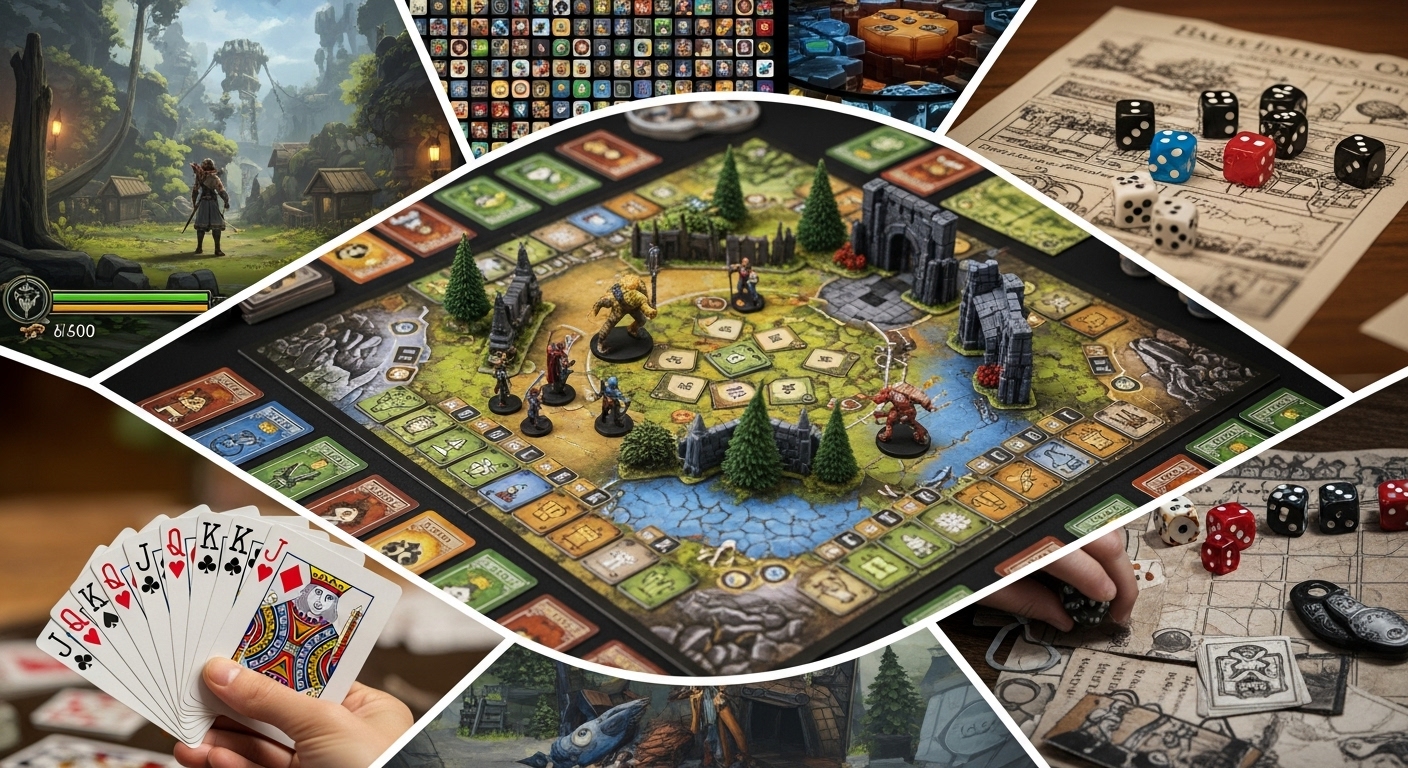
Games have been an integral part of human culture for centuries, evolving from simple board games and physical sports to highly immersive digital experiences. In the modern era, gaming is no longer just a hobby; it has become a dominant form of entertainment, a platform for social interaction, and even a career path for millions worldwide. Video games, mobile apps, and virtual experiences are transforming how people spend their leisure time, communicate with others, and engage with stories. The gaming industry now rivals film, music, and sports in revenue and cultural impact, proving that games are not just pastimes—they are a powerful force shaping modern society.
The Evolution of Games
The history of games is a testament to human creativity and innovation. Early board games like chess, backgammon, and mancala challenged players to strategize and think critically. With the rise of video games in the 1970s and 1980s, digital entertainment began to take shape. Classic arcade games like Pac-Man and Space Invaders introduced competition and skill-based play, while home consoles made gaming accessible to a broader audience. The 1990s and 2000s saw the growth of multiplayer games and online communities, where players could connect, compete, and collaborate across the globe. Today, games span multiple genres, platforms, and technologies, from immersive consoles and PC titles to mobile games and cloud-based streaming. The evolution of games reflects broader trends in technology, culture, and human interaction, continually pushing the boundaries of entertainment.
Genres of Modern Gaming
Modern gaming encompasses a wide variety of genres, each offering unique experiences and appeal. Role-playing games (RPGs) immerse players in elaborate worlds with deep storytelling, character progression, and strategic decision-making. Action and adventure games focus on fast-paced gameplay, exploration, and skill challenges. First-person shooters (FPS) and battle royale games test reflexes, coordination, and tactical thinking. Strategy and simulation games challenge players to plan, manage resources, and solve complex problems. Sports and racing games recreate real-world competition digitally, allowing players to experience the thrill of athletic performance virtually. Puzzle and casual games provide relaxing, accessible entertainment suitable for players of all ages. The diversity of game genres ensures that there is something for everyone, catering to different preferences, skills, and interests.
The Social Aspect of Gaming
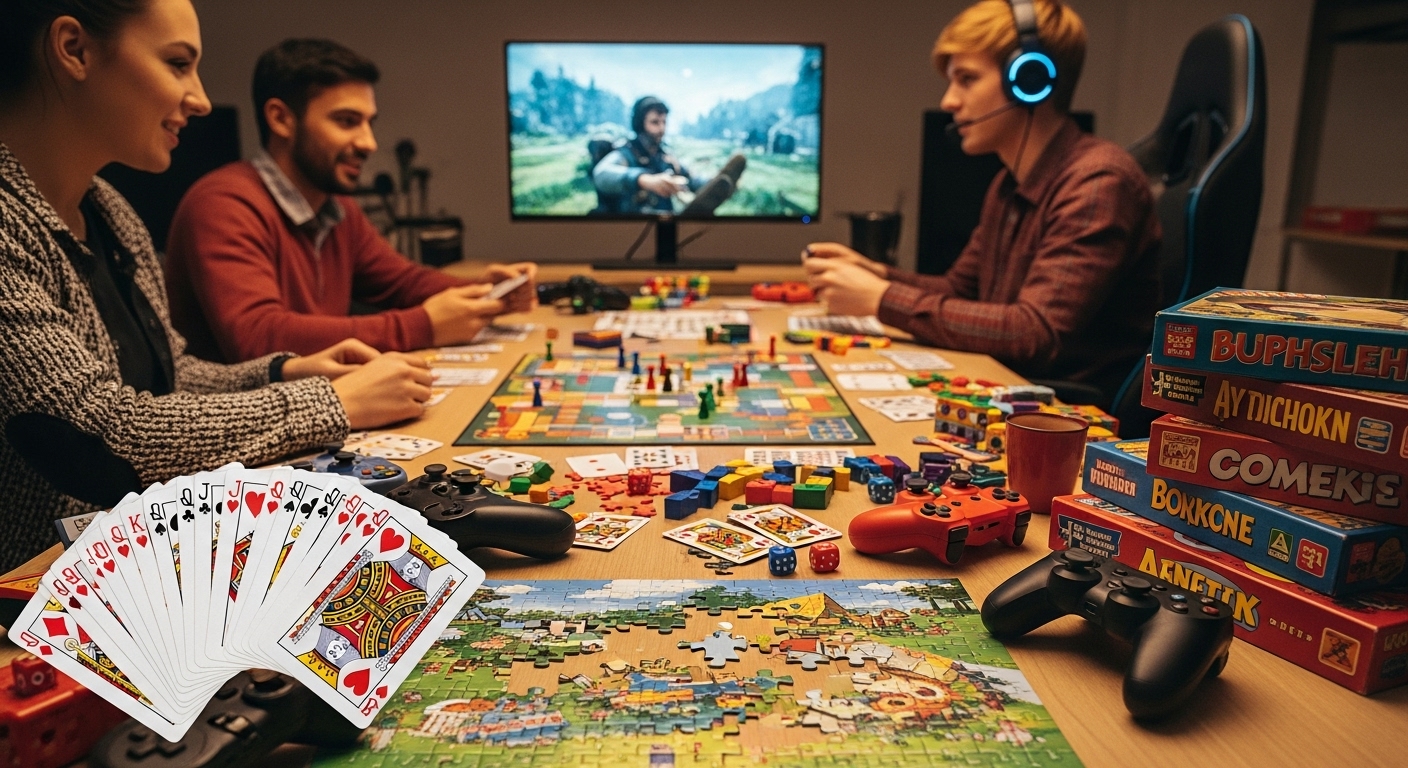
One of the most significant developments in modern gaming is its social dimension. Multiplayer and online games allow players to connect, collaborate, and compete with friends and strangers worldwide. Games have become social platforms where communities form around shared interests, fostering friendships and cooperation. Features like voice chat, in-game messaging, and guilds create dynamic social experiences that extend beyond gameplay. Esports tournaments, live streaming, and gaming conventions provide additional opportunities for interaction, connecting players, creators, and fans. This social aspect has made gaming a central part of many people’s lives, providing connection, teamwork, and even a sense of belonging.
The Economic Impact of Gaming
Gaming has grown into a multibillion-dollar global industry, rivaling the entertainment and sports sectors. Revenue streams include game sales, subscriptions, microtransactions, merchandise, and esports events. Companies invest heavily in game development, marketing, and community engagement, while independent developers contribute innovative ideas and unique experiences. The rise of streaming platforms and content creators has also transformed gaming into a career path, offering income through sponsorships, donations, and advertisements. In addition to entertainment revenue, the gaming industry contributes to job creation, technology development, and economic growth in regions with strong digital infrastructure. The economic significance of games demonstrates their cultural and financial influence in the modern world.
The Role of Technology in Gaming
Technology is at the heart of the gaming experience, enabling more immersive, interactive, and realistic gameplay. Advanced graphics engines create detailed environments and lifelike characters, while sophisticated physics systems allow for realistic interactions and dynamics. Artificial intelligence enhances gameplay by providing challenging opponents, dynamic storylines, and adaptive difficulty levels. Virtual reality (VR) and augmented reality (AR) technologies create immersive experiences that blur the line between the digital and physical worlds. Cloud gaming and streaming platforms allow players to access high-quality games without expensive hardware, democratizing access to digital entertainment. Technological innovation continues to drive the evolution of games, offering new ways to play, interact, and experience digital worlds.
Gaming as an Art Form
Games are increasingly recognized as a form of artistic expression. Storytelling, visual design, music, and interactive mechanics come together to create compelling experiences that evoke emotions and imagination. Narrative-driven games explore themes of morality, identity, and society, providing players with meaningful choices and consequences. Artistic design in games ranges from photorealistic graphics to stylized, imaginative worlds that captivate players’ senses. Soundtracks, voice acting, and audio design enhance immersion, creating atmospheres that rival films and theater. By combining multiple artistic mediums, games offer a unique platform for creativity, allowing players to experience stories and worlds in ways that no other medium can replicate.
The Rise of Esports
Esports, or competitive gaming, has transformed games into professional sports. Players and teams compete in tournaments for substantial prize pools and global recognition. Titles like League of Legends, Dota 2, and Counter-Strike: Global Offensive have professional leagues, sponsorship deals, and massive audiences. Esports has created opportunities for careers beyond playing, including coaching, broadcasting, event management, and content creation. Tournaments attract millions of viewers worldwide, highlighting the growing cultural significance of competitive gaming. Esports also demonstrates the strategic depth, skill, and teamwork involved in games, challenging outdated stereotypes that gaming is purely recreational or solitary.
The Psychological and Cognitive Benefits of Gaming
Gaming offers more than entertainment; it provides cognitive and psychological benefits. Many games enhance problem-solving skills, critical thinking, and strategic planning. Action games improve hand-eye coordination, reflexes, and multitasking abilities. Puzzle and strategy games encourage logical reasoning and decision-making. Multiplayer games foster social skills, collaboration, and communication. In addition, gaming can serve as a stress relief and a means of relaxation, offering immersive experiences that allow players to escape from daily pressures. While moderation is essential, research increasingly supports the idea that games can positively impact mental agility, creativity, and social engagement.
Challenges and Controversies in Gaming
Despite its many benefits, gaming faces challenges and controversies. Concerns about addiction, excessive screen time, and social isolation persist, particularly among younger players. Violent content and its potential influence on behavior remain topics of debate, though research has shown mixed results. Monetization models, such as microtransactions and loot boxes, have raised ethical questions about consumer protection and fairness. Additionally, issues of inclusivity and representation in games continue to be addressed, as the industry works toward diversity in characters, storylines, and development teams. Addressing these challenges is crucial to ensuring that gaming remains a healthy, accessible, and enjoyable form of entertainment.
The Future of Gaming
The future of gaming promises continued innovation and expansion. Virtual and augmented reality will offer even more immersive experiences, blurring the line between real and digital worlds. Cloud gaming will make high-quality games accessible to anyone with an internet connection, reducing barriers to entry. Artificial intelligence and machine learning will create dynamic, personalized gameplay experiences, adapting to individual player behavior. The integration of blockchain and digital ownership could redefine in-game economies and asset management. Additionally, the expansion of esports and streaming platforms will continue to elevate gaming as a cultural and professional pursuit. The future of gaming is not just about entertainment—it is about connection, creativity, and the evolution of human experience.
Conclusion: Games as a Cultural Force
Games have evolved from simple pastimes into complex, immersive, and influential experiences. They combine technology, art, storytelling, and social interaction in ways that engage, challenge, and inspire players. The gaming industry drives economic growth, fosters creativity, and connects communities across the globe. Esports and streaming platforms have elevated games into professional and cultural phenomena, while technological advancements continue to push boundaries and redefine possibilities. As games continue to evolve, they are shaping not only entertainment but also culture, education, and human interaction. In a world where digital experiences increasingly define our lives, gaming stands as a powerful and transformative force, offering endless opportunities to play, learn, and explore.