




Introduction: The Universal Language of Games
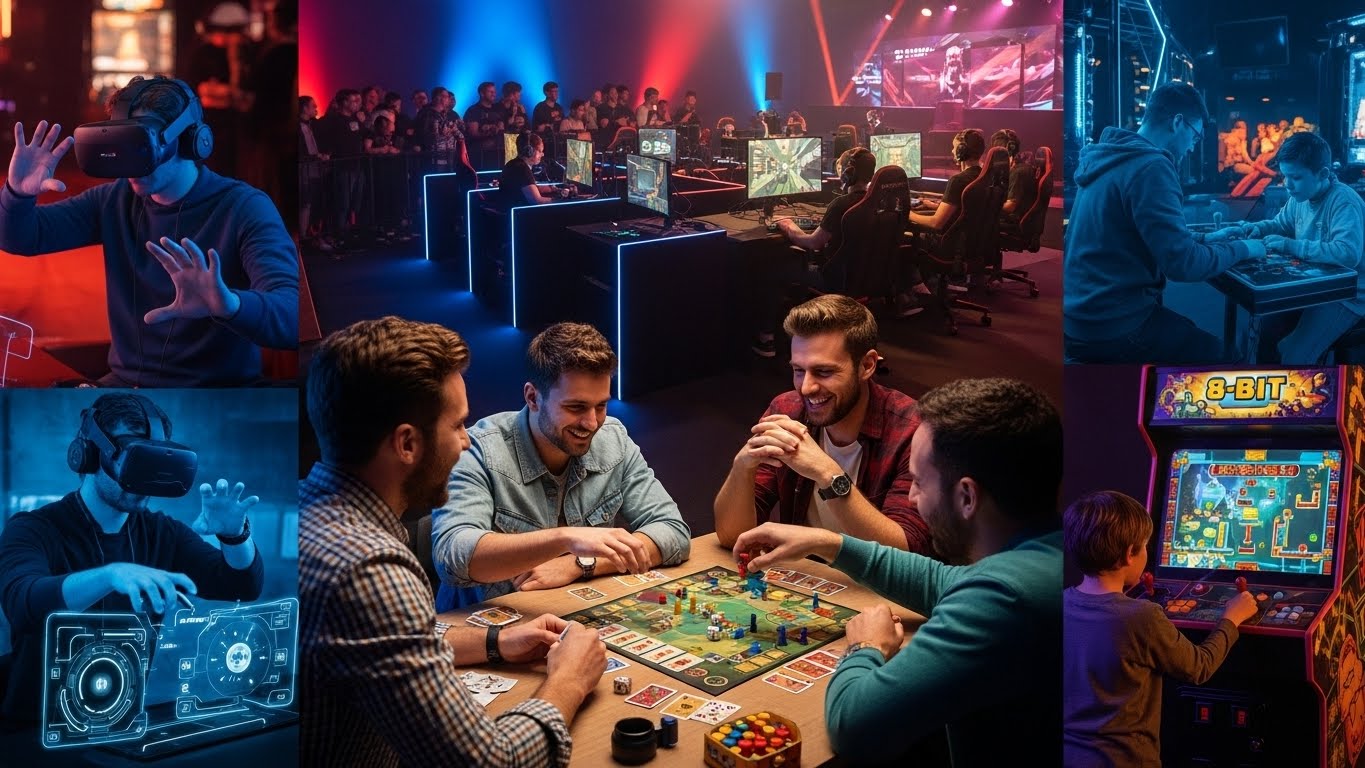
Games have existed since the dawn of civilization. From ancient board games carved in stone to modern digital worlds filled with stunning visuals and immersive sound, the essence of play remains the same—fun, challenge, and creativity. Games are more than just entertainment; they are a reflection of human curiosity, imagination, and the desire to explore. In the modern age, games have evolved beyond simple amusement. They now serve as tools for education, storytelling, social connection, and even personal development. This blog explores how games have transformed over time, the impact they have on society, and what the future holds for this fascinating form of art and interaction.
The Historical Roots of Gaming: From Stones to Screens
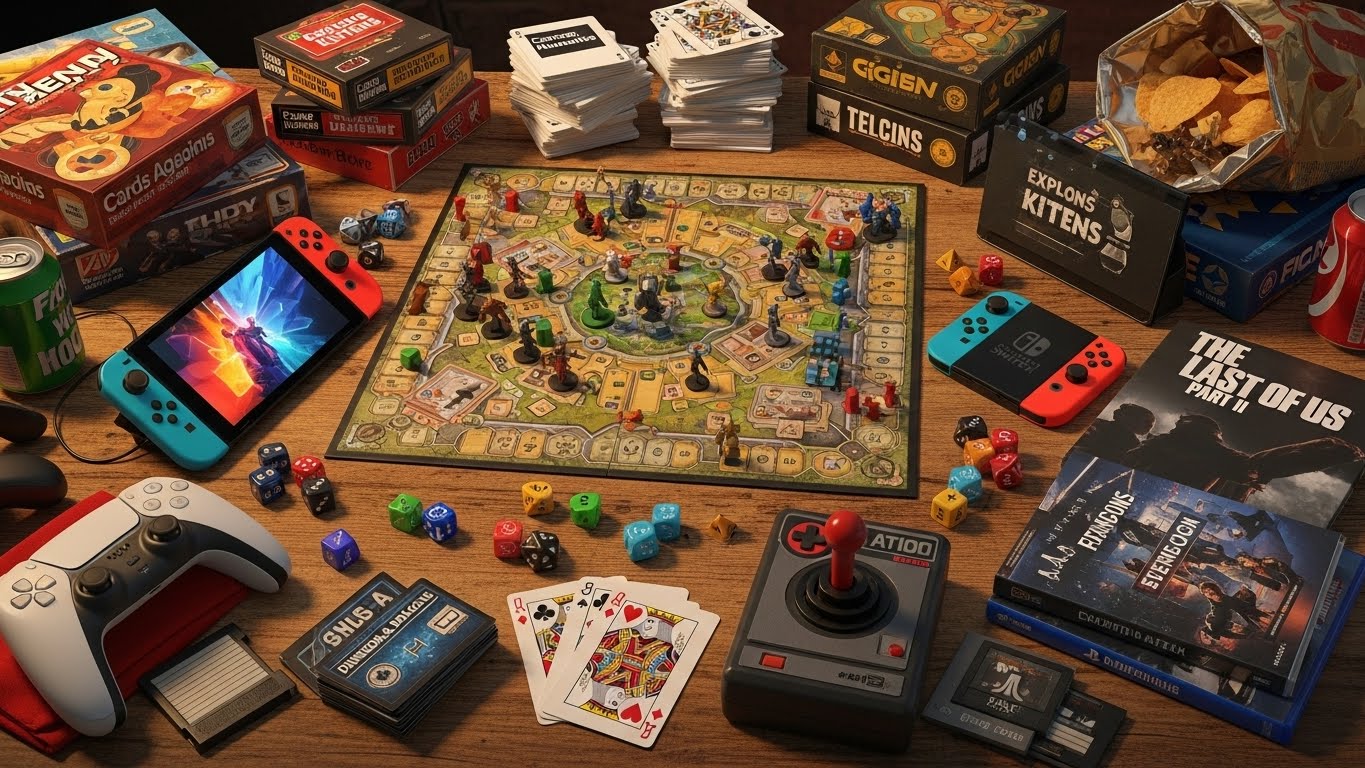
Long before video games existed, humans found joy in competition and strategy. Ancient civilizations played games like Senet in Egypt and Go in China, both of which were more than just pastimes—they represented spiritual beliefs, intellect, and social status. These early forms of play laid the groundwork for the strategic and interactive experiences we see in modern gaming.
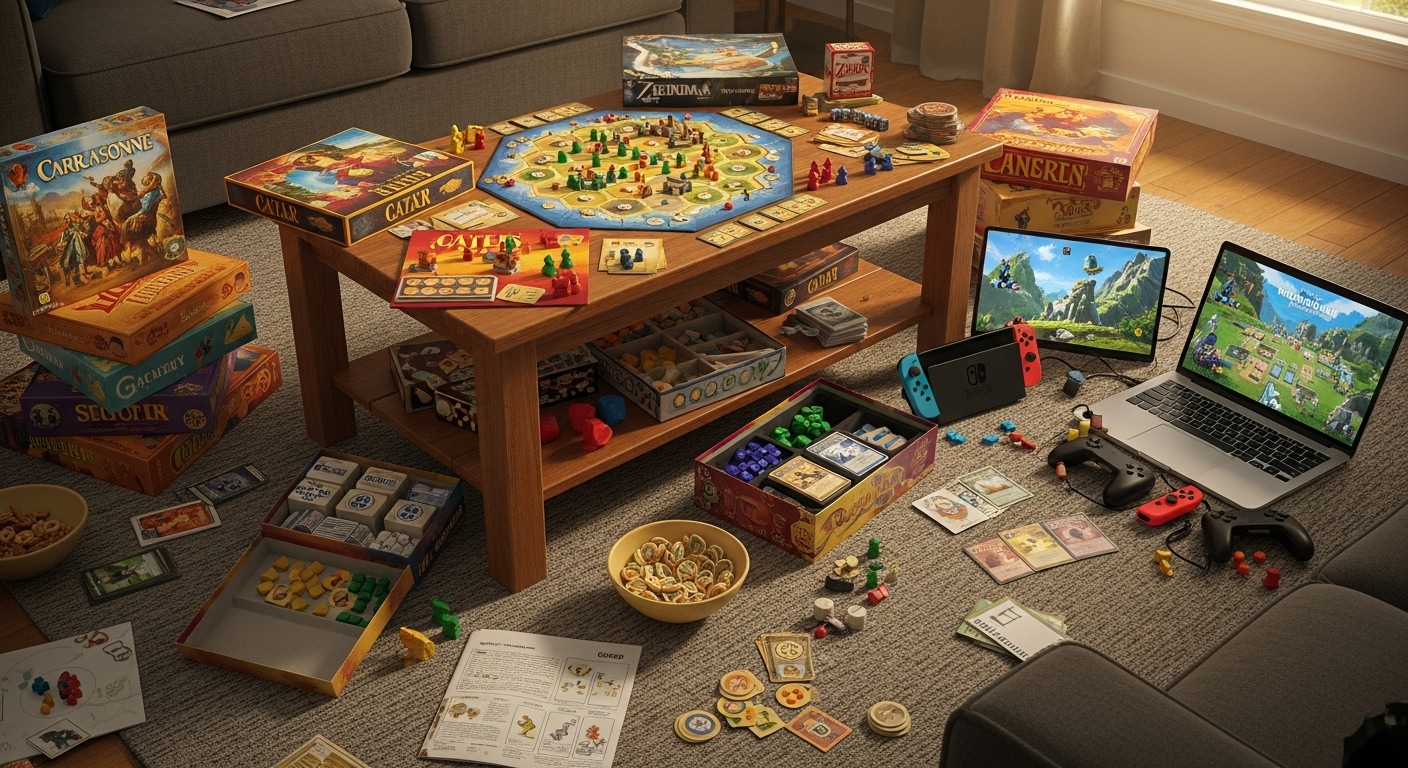
The invention of the printing press in the 15th century led to the creation of playing cards and board games that could be shared widely. Games such as chess and checkers became symbols of strategic thought and mental skill. With the industrial revolution came mass production, allowing board games like Monopoly and Scrabble to enter countless households, becoming a staple of family entertainment.
The 20th century marked a revolutionary leap. The introduction of computers and consoles turned gaming into a digital experience. From the simple pixelated games of the 1970s like Pong and Space Invaders to the story-driven adventures of the 1990s such as The Legend of Zelda and Final Fantasy, gaming became a medium for creativity and technology to blend seamlessly.
The Digital Transformation: Gaming in the Modern Era
Today, gaming has become a global phenomenon, transcending age, gender, and geography. The development of powerful consoles, personal computers, and smartphones has made games accessible to nearly everyone. High-definition graphics, complex narratives, and realistic physics have turned video games into immersive worlds that rival the depth of films and literature.
Genres such as action, adventure, strategy, role-playing, and simulation cater to diverse interests. Games like open-world adventures allow players to explore virtual landscapes freely, while competitive multiplayer titles bring people together in thrilling contests of skill and reflex. The diversity of games ensures that every player can find an experience that resonates with their personality and preferences.
In addition to entertainment, the gaming industry has become an economic powerhouse. Billions of dollars are generated annually through sales, subscriptions, and in-game purchases. The rise of digital platforms has made game distribution faster and more efficient, allowing independent developers to share their creations with the world.
The Psychological Benefits of Gaming
Despite the misconception that gaming is purely a distraction, research shows that playing games can have significant psychological benefits. Strategic and puzzle games stimulate the brain, improving problem-solving and decision-making skills. Action games enhance hand-eye coordination, reflexes, and focus. Role-playing and simulation games foster creativity and empathy by allowing players to experience different perspectives and scenarios.
Games also serve as effective stress relievers. They provide an escape from daily pressures and allow players to immerse themselves in virtual environments that spark joy and excitement. The sense of accomplishment that comes from completing a difficult level or mission can boost self-esteem and motivation.
Moreover, multiplayer games encourage teamwork and communication. Players often learn to collaborate with others, manage resources, and strategize under pressure—all valuable skills that extend beyond gaming into real-life situations.
Social Connectivity: Gaming as a Global Community
One of the most profound impacts of modern gaming is its ability to connect people across the globe. Online multiplayer platforms have created communities where players can interact, collaborate, and compete regardless of distance. Gaming has evolved from a solitary activity into a shared experience that fosters friendship and cooperation.
Social gaming platforms enable players to form teams, participate in tournaments, and engage in real-time conversations. These interactions often transcend cultural and linguistic barriers, creating a sense of unity among individuals from different backgrounds. Esports, a competitive form of gaming, has taken this concept even further by turning skilled players into global celebrities.
The rise of live streaming and content creation has also transformed how people experience games. Players can share their gameplay, teach strategies, and entertain audiences worldwide. This has given rise to a new form of media where gamers are not just players but also creators and influencers.
The Artistic Dimension of Games
Games are increasingly recognized as an art form. They combine storytelling, music, visual design, and interactivity to create experiences that evoke emotion and provoke thought. Unlike traditional art forms, games offer players agency—the ability to make choices that influence outcomes. This level of interactivity makes gaming a unique artistic medium that encourages engagement and reflection.
Narrative-driven games explore complex themes such as morality, love, loss, and survival. Visual storytelling through stunning graphics and cinematic design can evoke emotions as deeply as any movie or novel. Soundtracks composed specifically for games enhance the emotional atmosphere, making each moment memorable.
Game designers, artists, and writers work together to craft immersive worlds that captivate players on both emotional and intellectual levels. This collaboration between technology and creativity has redefined how stories can be told in the digital age.
Educational Value: Learning Through Play
Games have proven to be powerful educational tools. Educational games make learning interactive and enjoyable, helping students grasp complex concepts through hands-on experiences. Strategy and simulation games teach resource management, critical thinking, and decision-making. Language-based games improve vocabulary and communication skills.
Moreover, serious games—designed specifically for education or training—are used in various fields, from medicine to military. They simulate real-world scenarios, allowing users to practice skills safely and effectively. Gamification, the integration of game elements into non-gaming contexts, is now widely used in schools and workplaces to motivate learning and productivity.
Through these innovations, games have shifted from being mere entertainment to instruments of knowledge and skill development.
The Economic and Cultural Impact of Gaming
The gaming industry has become one of the most influential sectors in global entertainment. It surpasses the combined revenues of film and music industries. Beyond financial success, gaming has influenced fashion, art, music, and even language. Popular game characters and symbols have become cultural icons recognized worldwide.
In many regions, gaming conventions and festivals celebrate creativity and innovation, drawing thousands of attendees each year. These events showcase upcoming technologies, new game releases, and creative talent. The gaming community continues to grow, shaping modern culture and pushing boundaries of imagination.
The rise of indie games has further diversified the industry. Independent developers bring fresh ideas and experimental storytelling to the forefront, challenging traditional norms and expanding the artistic reach of gaming.
The Future of Games: Technology and Beyond
The future of gaming promises even more innovation. With advances in artificial intelligence, virtual reality, and cloud technology, the possibilities are endless. Artificial intelligence will enhance game realism, making characters more responsive and adaptive. Virtual reality will transport players into fully immersive environments, offering lifelike experiences that blur the line between reality and imagination.
Cloud gaming will revolutionize accessibility, allowing players to stream high-quality games on any device without the need for expensive hardware. The integration of augmented reality will merge physical and digital spaces, creating interactive experiences that extend into the real world.
The concept of the metaverse, a shared virtual universe, represents the next evolution of gaming. It envisions a world where people can play, work, socialize, and create together in interconnected digital spaces. Gaming will be at the heart of this transformation, shaping how humans experience virtual existence.
Challenges Facing the Gaming Industry
While the growth of gaming is remarkable, it comes with challenges. Issues such as addiction, cyberbullying, and data privacy require careful attention. Developers and communities must promote responsible gaming and create safe, inclusive environments for players.
Diversity and representation also remain important. Ensuring that games reflect a wide range of voices, cultures, and experiences enhances their richness and relatability. Ethical design and fair monetization models are crucial for maintaining trust and player satisfaction.
The industry must continue to balance creativity with responsibility, ensuring that games inspire, educate, and entertain without negative consequences.
Conclusion: The Infinite Power of Play
Games have come a long way from ancient pastimes to immersive digital worlds. They are a reflection of human ingenuity, creativity, and the desire to connect. In every form—whether physical or virtual—games bring people together, challenge minds, and inspire imagination.
The future of gaming is filled with endless possibilities. As technology continues to evolve, so too will the ways in which we play, learn, and interact. Games are not just entertainment; they are a mirror of human potential, shaping how we think, feel, and dream. The journey of play is infinite, and in every new game lies a story waiting to be explored—a reminder that within the spirit of play lives the timeless essence of being human.