





Games have been an integral part of human culture for centuries, from ancient board games and traditional outdoor activities to the modern digital experiences that captivate millions today. The world of games is vast, diverse, and constantly evolving, catering to all ages, skill levels, and interests. Whether we are engaging in friendly competition, solving intricate puzzles, or immersing ourselves in virtual worlds, games provide a source of entertainment, learning, and social connection.
In this blog post, we will explore the evolution of games over time, the impact of technology on gaming experiences, and the future of games in the digital age. From classic board games to the latest virtual reality (VR) experiences, gaming has continually adapted to meet the changing needs of society. Join us as we delve into the world of games, their impact on culture, and how they have transformed entertainment forever.
The Birth of Games: Early Origins and Simple Pleasures
Games have existed in one form or another since the dawn of human civilization. Archaeological evidence suggests that games were played in ancient Mesopotamia, Egypt, and China, with some of the earliest games being board games like Senet (Egypt) and Go (China). These games were often deeply tied to religious or ceremonial practices, providing both entertainment and a means for social interaction.
Over time, the concept of games evolved. By the medieval period, the focus shifted toward more structured forms of competition, and games became a part of both leisure activities and skill-building exercises. Chess, one of the most iconic board games in history, emerged during this time and became a symbol of strategic thinking and intellectual prowess. The rules and structure of these games often reflected the social hierarchies and values of the cultures in which they were created.
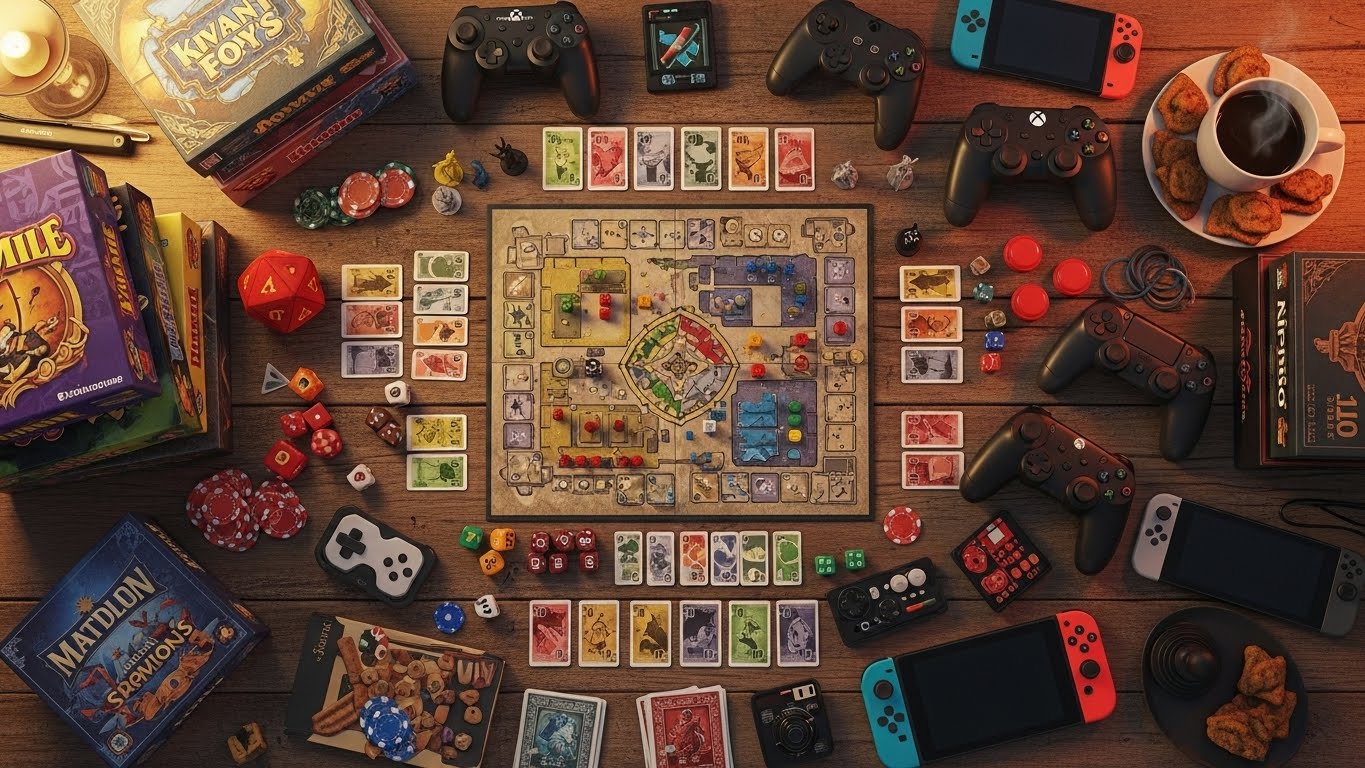
In the 19th and early 20th centuries, traditional games continued to dominate, with card games like Poker, Bridge, and solitaire becoming staples of social gatherings. Board games such as Monopoly, Scrabble, and Clue also emerged during this period, offering new forms of entertainment for families and friends to enjoy together.
The Digital Revolution: The Rise of Video Games
The most significant transformation in the world of games began in the 20th century with the advent of technology. The first video games were developed in the 1950s and 1960s, but it was in the 1970s and 1980s that gaming exploded into the public consciousness with the rise of arcade games.
The Arcade Era: Games like Pong (1972) and Space Invaders (1978) became iconic staples of the arcade gaming scene. These simple yet addictive games introduced a whole new generation to the world of digital entertainment. As arcade gaming grew, so did the technology behind it, leading to more complex games with improved graphics, sound, and gameplay mechanics. The 1980s also saw the rise of home gaming consoles, such as the Atari 2600, which allowed people to play games from the comfort of their homes.
The Console and PC Gaming Boom: In the late 1980s and 1990s, video gaming entered a new era with the launch of more sophisticated consoles like the Nintendo Entertainment System (NES), Sega Genesis, and Sony PlayStation. These systems allowed developers to create deeper, more immersive games that took advantage of improved processing power and graphics. Games like Super Mario Bros., The Legend of Zelda, Sonic the Hedgehog, and Final Fantasy became household names and helped establish video gaming as a mainstream form of entertainment.
Simultaneously, PC gaming was becoming a major force with the rise of personal computers in homes and offices. Games like Doom, Warcraft, and StarCraft brought complex, fast-paced action and strategy to players, while point-and-click adventure games like Myst and The Secret of Monkey Island introduced storytelling and puzzle-solving to the digital medium.
The Internet Age: Online Multiplayer Games and the Global Gaming Community
The next significant leap in the evolution of games came with the rise of the internet in the late 1990s and early 2000s. Online gaming opened up entirely new possibilities for how people could play, interact, and connect with others around the world.
Massively Multiplayer Online Games (MMOs): One of the biggest shifts in gaming occurred with the rise of Massively Multiplayer Online Games (MMOs). Games like World of Warcraft, EVE Online, and Final Fantasy XIV allowed players to immerse themselves in expansive, persistent worlds populated by thousands of other players. These games offered not just competition, but collaboration, with players forming guilds, completing quests together, and trading resources in real-time. MMOs quickly became some of the most popular games of the 2000s and have continued to thrive in the gaming landscape.
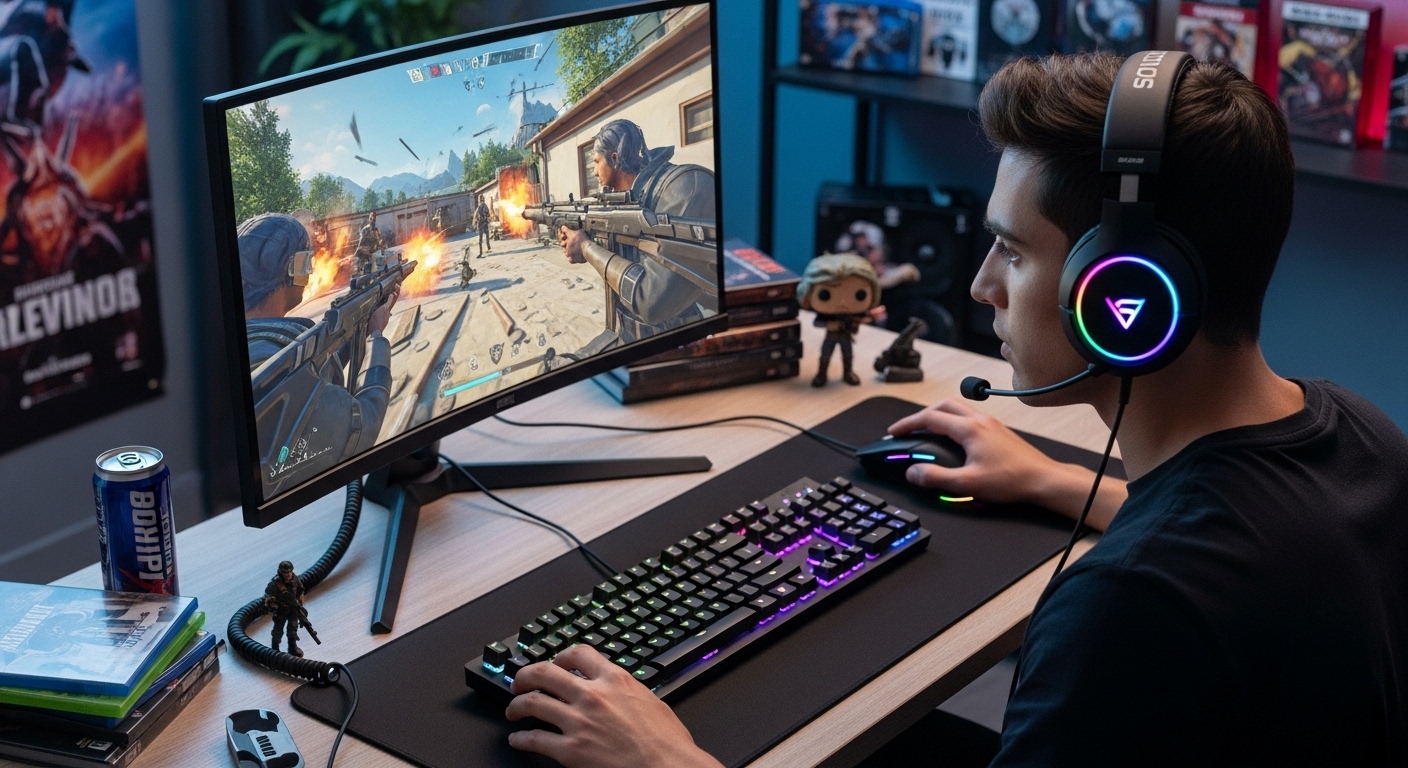
Online Competitive Gaming: Alongside MMOs, online multiplayer games also gained traction in genres like first-person shooters, strategy, and sports. Games like Counter-Strike, Halo, League of Legends, and Fortnite brought millions of players together in competitive arenas where they could test their skills against others in real time. The rise of esports in particular has turned competitive gaming into a legitimate career path for many professional players, with tournaments offering millions of dollars in prizes and attracting massive audiences through streaming platforms like Twitch and YouTube.
Social Gaming and Casual Players: As gaming technology became more accessible, developers started to cater to a broader audience. Games like FarmVille and Candy Crush Saga capitalized on the social media boom, providing simple, casual gaming experiences that could be played on smartphones and shared with friends. The accessibility and ease of mobile games have made gaming a daily activity for people of all ages and backgrounds.
The Evolution of Game Genres: Diversity and Innovation
One of the most exciting aspects of modern gaming is the incredible diversity of game genres that exist today. The evolution of game design has led to an explosion of different types of games, each offering unique experiences and appealing to different types of players. Here are some of the most popular genres and how they have evolved:
Action and Adventure: Action-adventure games combine elements of exploration, puzzle-solving, and combat. Games like The Legend of Zelda: Breath of the Wild, Uncharted, and Assassin’s Creed offer expansive worlds to explore, rich narratives, and dynamic gameplay that keeps players on the edge of their seats. These games often incorporate a mix of platforming, stealth, and action sequences, providing a balanced and engaging experience.
Role-Playing Games (RPGs): RPGs allow players to immerse themselves in fictional worlds and take on the role of a character, often in a story-driven setting. Classic RPGs like Final Fantasy VII and The Elder Scrolls V: Skyrim offer vast open worlds, intricate plots, and deep character customization. With the rise of online multiplayer RPGs like World of Warcraft, the genre has evolved to include cooperative play, expansive narratives, and complex social systems.
Simulation Games: Simulation games, which mimic real-life activities and environments, have also gained widespread popularity. Games like The Sims, SimCity, and Microsoft Flight Simulator allow players to create and control virtual environments, from running a city to managing a farm or piloting a plane. These games often prioritize creativity and strategy, offering players a relaxing and enjoyable experience.
Sports and Racing Games: Sports and racing games have long been a staple in the gaming world. Titles like FIFA, NBA 2K, and Gran Turismo provide realistic, immersive experiences for players who want to compete in virtual versions of their favorite sports. The evolution of these games has made them incredibly lifelike, with detailed graphics and physics engines that closely replicate real-world sports.
Horror Games: Horror games have captivated players with their intense, adrenaline-pumping gameplay and spine-chilling atmospheres. Games like Resident Evil, Silent Hill, and Amnesia: The Dark Descent immerse players in eerie environments where tension and fear are constant companions. The genre has evolved with advancements in VR technology, allowing players to experience terror in a whole new way.
The Future of Games: Virtual Reality, AI, and Beyond
As we look to the future of gaming, it’s clear that technology will continue to drive innovation and create new experiences for players. Here are some of the most exciting developments on the horizon:
Virtual Reality (VR): Virtual reality is poised to revolutionize the gaming experience by immersing players in fully interactive 3D worlds. Games like Half-Life: Alyx and Beat Saber have already demonstrated the potential of VR, but the technology is still in its early stages. As VR hardware becomes more affordable and accessible, we can expect even more immersive and innovative gaming experiences that blur the line between reality and the virtual world.
Artificial Intelligence (AI): AI is set to play a major role in the future of gaming. AI-driven NPCs (non-player characters) are already becoming more realistic, reacting to player actions and adapting to gameplay. As AI continues to advance, we can expect more dynamic, adaptive game worlds where the environment and characters respond intelligently to player choices. AI will also enhance game design by generating more complex narratives and procedurally generated content.
Cloud Gaming: Cloud gaming is changing the way we think about game access and distribution. Services like Google Stadia and Xbox Cloud Gaming allow players to stream games directly to their devices, eliminating the need for high-end hardware. Cloud gaming has the potential to make gaming more accessible to a wider audience, allowing players to enjoy the latest titles without needing expensive gaming consoles or PCs.
Cross-Platform Play: As gaming communities continue to grow, cross-platform play is becoming more important. The ability for players on different consoles, PCs, and mobile devices to play together in the same virtual