




Introduction: The Universality of Games
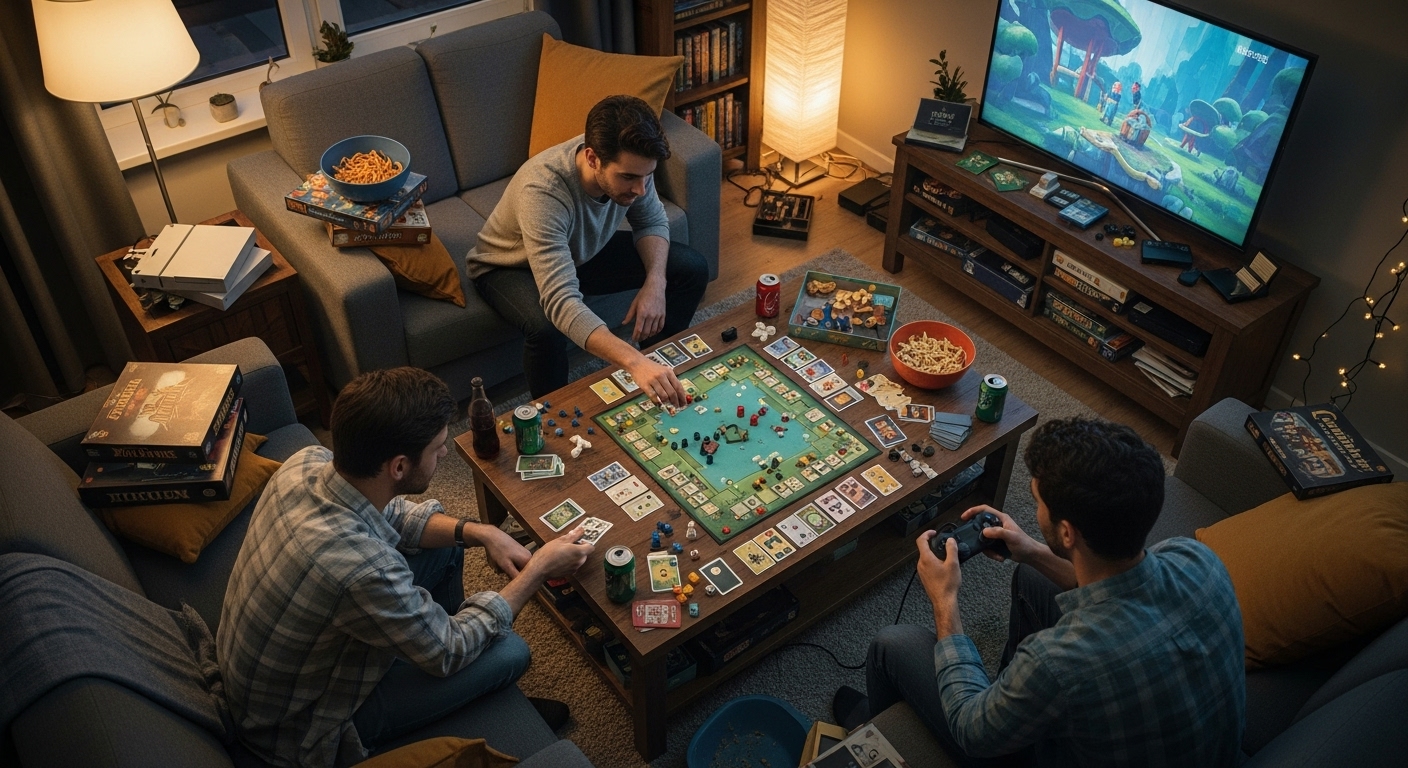
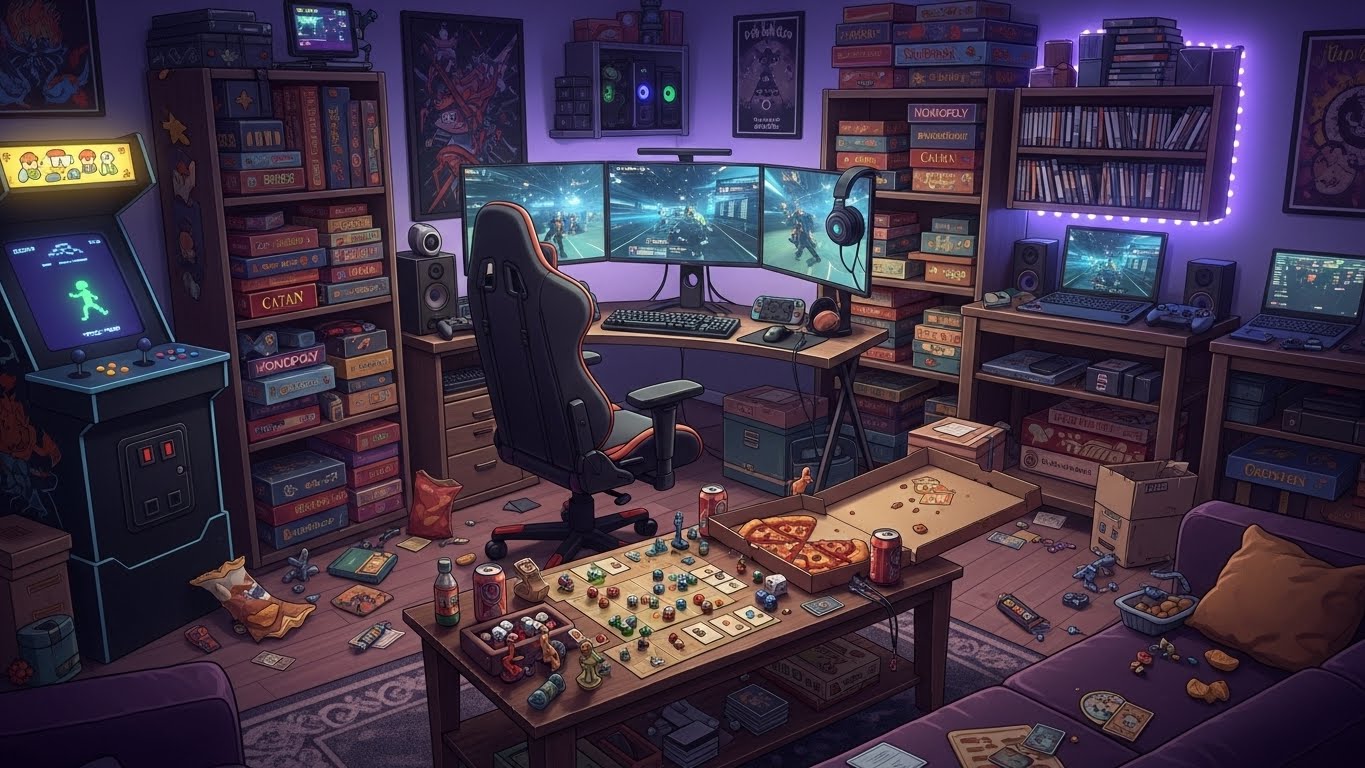
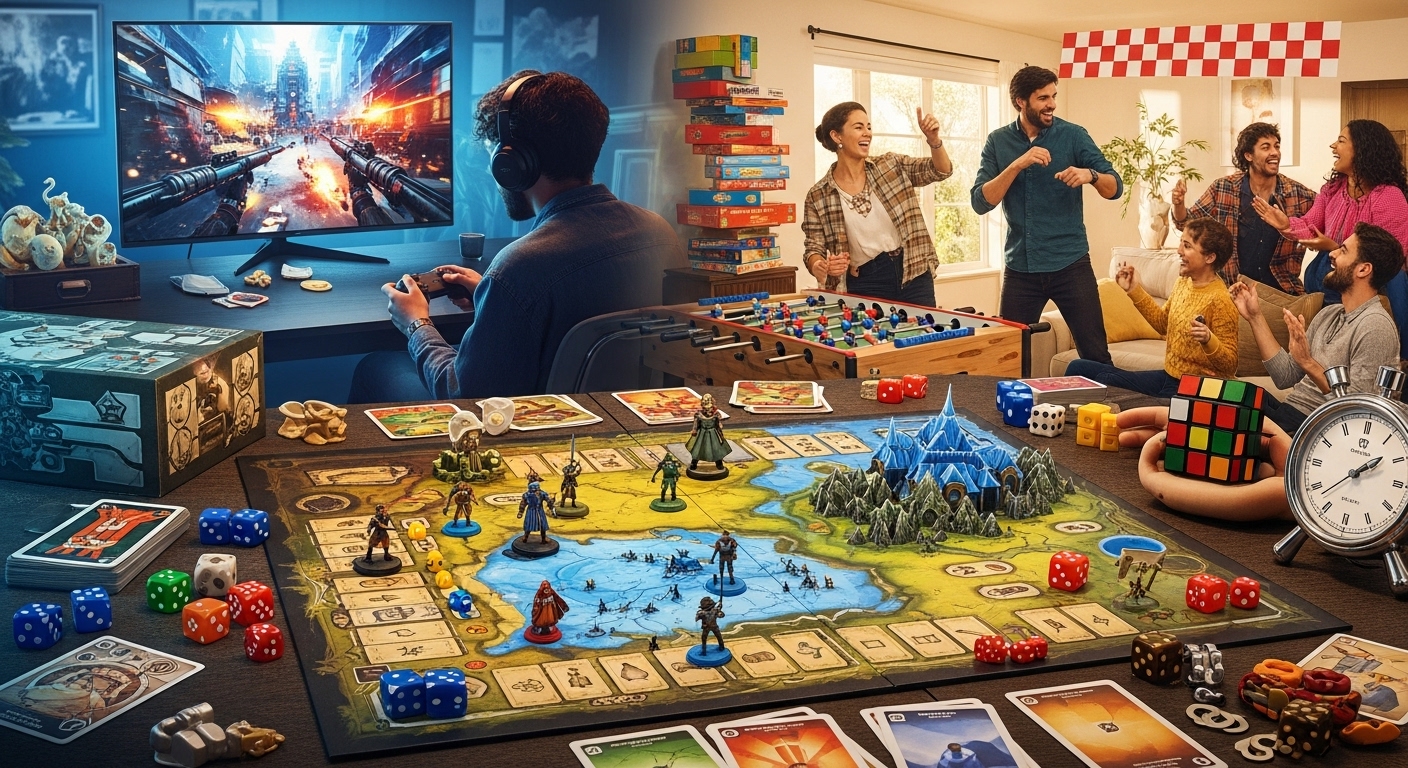
Games have been a part of human culture for thousands of years, evolving from simple pastimes into complex, immersive experiences. They serve as a form of entertainment, a tool for learning, and even a means of social connection. Whether through board games, card games, or video games, the concept of play has universal appeal, transcending age, geography, and culture. In this blog post, we will dive into the diverse world of games, exploring their evolution, impact, and the unique experiences they offer.
The Beginning of Games: From Simple Games to Rituals
Games, in their earliest forms, were not merely tools for entertainment but also served educational and ritualistic purposes. Archaeological findings show that ancient civilizations used games to teach strategy, problem-solving, and social roles. Early board games such as Senet, dating back to ancient Egypt, were used not only as recreational tools but also symbolized life and death, echoing a society’s beliefs and philosophies. Similarly, the game of Go, originating in China more than 2,500 years ago, remains a cornerstone of strategic thinking, illustrating the longstanding importance of games in shaping critical thought.
These games were simple by modern standards but played a significant role in both social interaction and cognitive development. The rules were often straightforward, yet the depth of the strategy involved could vary greatly, with some games having rules so intricate they could take years to master.
The Rise of Board and Card Games: The Foundation of Social Play
By the Middle Ages, games had become a widespread form of entertainment across Europe, Asia, and the Middle East. In addition to traditional games like Chess and Go, card games began to appear. Games such as playing cards and early versions of dice-based games started to gain popularity. These games were played in homes, taverns, and courts, allowing players to bond over friendly competition while sharpening their cognitive and strategic skills.
Board games like Chess, Checkers, and Backgammon became integral to social gatherings, fostering camaraderie and healthy competition. The 20th century witnessed the rise of games such as Monopoly and Scrabble, which introduced new concepts in gameplay—economic strategy and wordplay—that appealed to a broader audience. These games created lasting social experiences and are still enjoyed today by families and friends around the world.
In many ways, the foundation of modern gaming was built on these simple, yet engaging, forms of play. These games required no electricity, no screens, and no internet; they relied purely on the social interaction between players, making them universally accessible and easy to learn.
The Digital Revolution: The Emergence of Video Games
As technology advanced, so too did the world of gaming. The 20th century saw the dawn of the digital era, where early video games began to replace traditional board games as the dominant form of play. In 1972, the release of the arcade game Pong marked the beginning of the video game industry, introducing a whole new dimension to gaming. Soon after, home consoles like the Atari 2600 brought gaming into the living rooms of millions of households.
The early video games were simple, pixelated experiences, but their impact was profound. Games like Space Invaders and Pac-Man were not only entertaining but also introduced the concept of high scores and the thrill of competition. These games laid the groundwork for future innovation, as game developers began to experiment with different genres, mechanics, and narrative structures.
In the following decades, home consoles like the Nintendo Entertainment System (NES), Sega Genesis, and PlayStation would further push the boundaries of gaming. The technological advancements of the 1980s and 1990s gave rise to iconic characters like Mario, Sonic, and Link, whose adventures continue to resonate with gamers today. The rise of 3D graphics in the 90s, with games like Super Mario 64 and The Legend of Zelda: Ocarina of Time, made the gaming experience more immersive than ever before, setting the stage for the next generation of games.
The Age of Online Gaming: Connecting Players Across the World
One of the most significant changes in the gaming world over the last two decades has been the rise of online gaming. The internet opened up entirely new possibilities for multiplayer experiences, allowing players from all corners of the world to connect and interact in real-time. The introduction of online multiplayer modes in games like Halo 2 and World of Warcraft marked a new era of gaming, where social interaction became just as important as the gameplay itself.
The success of these online experiences led to the rise of online multiplayer games like Fortnite, League of Legends, and Overwatch, which have attracted millions of players. Online gaming not only introduced competitive play but also established gaming as a social activity. Players could form teams, engage in friendly banter, and build communities that extended beyond the game. The global reach of online games also opened the door for esports to become a billion-dollar industry, with players and teams competing at the highest levels for substantial cash prizes and sponsorships.
Mobile Gaming: Gaming on the Go
The introduction of smartphones revolutionized gaming once again. Mobile gaming, once seen as a niche activity, exploded in popularity with the advent of smartphones that could support high-quality games. With games like Angry Birds, Clash of Clans, and Pokémon Go, mobile gaming has become an essential part of modern life, offering players entertainment at their fingertips.
Mobile games appeal to a broad demographic, ranging from casual players looking for short bursts of entertainment to more dedicated gamers who spend hours playing mobile versions of complex games like Genshin Impact and Call of Duty Mobile. The success of mobile gaming also paved the way for augmented reality (AR) and virtual reality (VR) games, which offer unique and immersive experiences that further blur the line between reality and virtual play.
The Evolution of Game Genres: Diversity and Innovation
The gaming industry is constantly evolving, and with that evolution comes an ever-expanding range of genres. What was once limited to a few simple categories—platformers, shooters, and puzzles—has now grown into a diverse landscape that offers something for everyone. Some of the most notable genres in modern gaming include:
- Role-Playing Games (RPGs): These games allow players to step into the shoes of a character, often in a detailed, narrative-driven world. RPGs like The Witcher 3, Final Fantasy, and Elder Scrolls offer expansive worlds with rich lore, character development, and complex decision-making.
- First-Person Shooters (FPS): FPS games like Call of Duty and Battlefield offer fast-paced, action-packed gameplay where players can engage in combat from a first-person perspective. These games have become a staple of both casual and competitive gaming.
- Strategy Games: Strategy games, such as Civilization and Starcraft, challenge players to think critically and plan ahead. These games require a mix of resource management, tactical decision-making, and long-term thinking.
- Indie Games: Indie games have risen in popularity in recent years, often created by small teams or individual developers. Games like Hollow Knight, Celeste, and Stardew Valley have proven that a game doesn’t need a huge budget to be impactful. Indie games often focus on creativity, narrative, and player experience, offering fresh and innovative ideas.
- Sports and Racing Games: Games like FIFA, NBA 2K, and Gran Turismo bring the thrill of real-world sports and racing to the digital realm, providing a competitive and immersive experience.
The diversity of game genres ensures that there is something for every type of player, whether you’re looking for a deep, narrative-driven adventure, an adrenaline-pumping shooter, or a relaxing simulation. As technology continues to advance, we can expect to see even more unique and innovative genres emerge, further enriching the gaming landscape.
The Future of Gaming: What’s Next?
As the gaming industry continues to evolve, new technologies are pushing the boundaries of what is possible. Virtual reality (VR) and augmented reality (AR) are among the most exciting frontiers in gaming, offering players the chance to step inside the game world and experience it in ways never before imagined. Games like Beat Saber and Half-Life: Alyx have shown the potential of VR to create truly immersive experiences.
Cloud gaming is another area that is poised to revolutionize the industry. With services like Google Stadia and Microsoft xCloud, players can stream games directly to their devices without the need for expensive hardware. This means that high-quality games will be accessible to a broader audience, further democratizing the gaming experience.
As the industry grows, we are also likely to see more emphasis on inclusivity, with games that represent diverse cultures, backgrounds, and experiences. The gaming community is becoming more inclusive, and developers are increasingly aware of the need to create games that appeal to a global audience, with stories and characters that reflect the world we live in.
Conclusion: The Infinite Possibilities of Games
From ancient board games to modern-day esports, games have always played a central role in human culture. They bring people together, challenge the mind, and provide an outlet for creativity and expression. The world of gaming continues to evolve, and as technology advances, so too does the potential for new, exciting experiences.
Whether you are a casual player enjoying a mobile game on your commute or a hardcore gamer immersing yourself in a vast open world, the world of games offers endless possibilities. The evolution of play is far from over, and the future of gaming promises to be even more innovative and inclusive, with experiences that push the boundaries of what we thought was possible.
Games are not just a form of entertainment—they are a reflection of human creativity, ambition, and connection. As we continue to explore the infinite