





Introduction: A Universal Language of Play
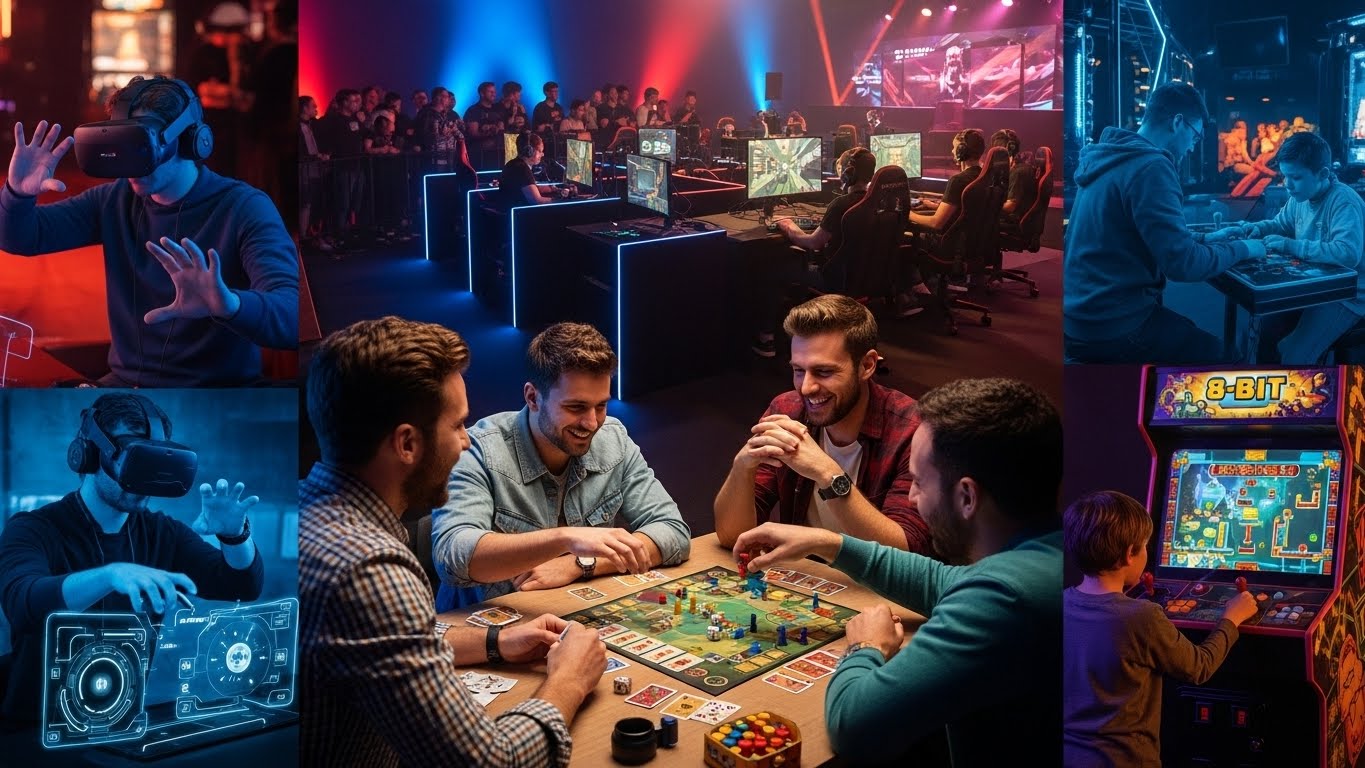
Games have long been a cornerstone of human culture. They transcend boundaries of age, language, and geography, bringing people together through a shared experience of play. Whether it’s a simple card game with friends, a grand strategy game played in the comfort of your home, or a massive multiplayer online role-playing game (MMORPG) connecting millions worldwide, games serve as both a medium of entertainment and a method of connection. While their forms have evolved over time, the core principle remains unchanged: games provide a platform for creativity, challenge, and personal growth.
In this blog post, we’ll explore the diverse and dynamic world of games, from traditional board games to cutting-edge digital experiences. Along the way, we’ll examine how games have adapted to modern technology, their cultural significance, and the unique ways in which they influence both individuals and societies.
The Roots of Gaming: From Board Games to Card Games
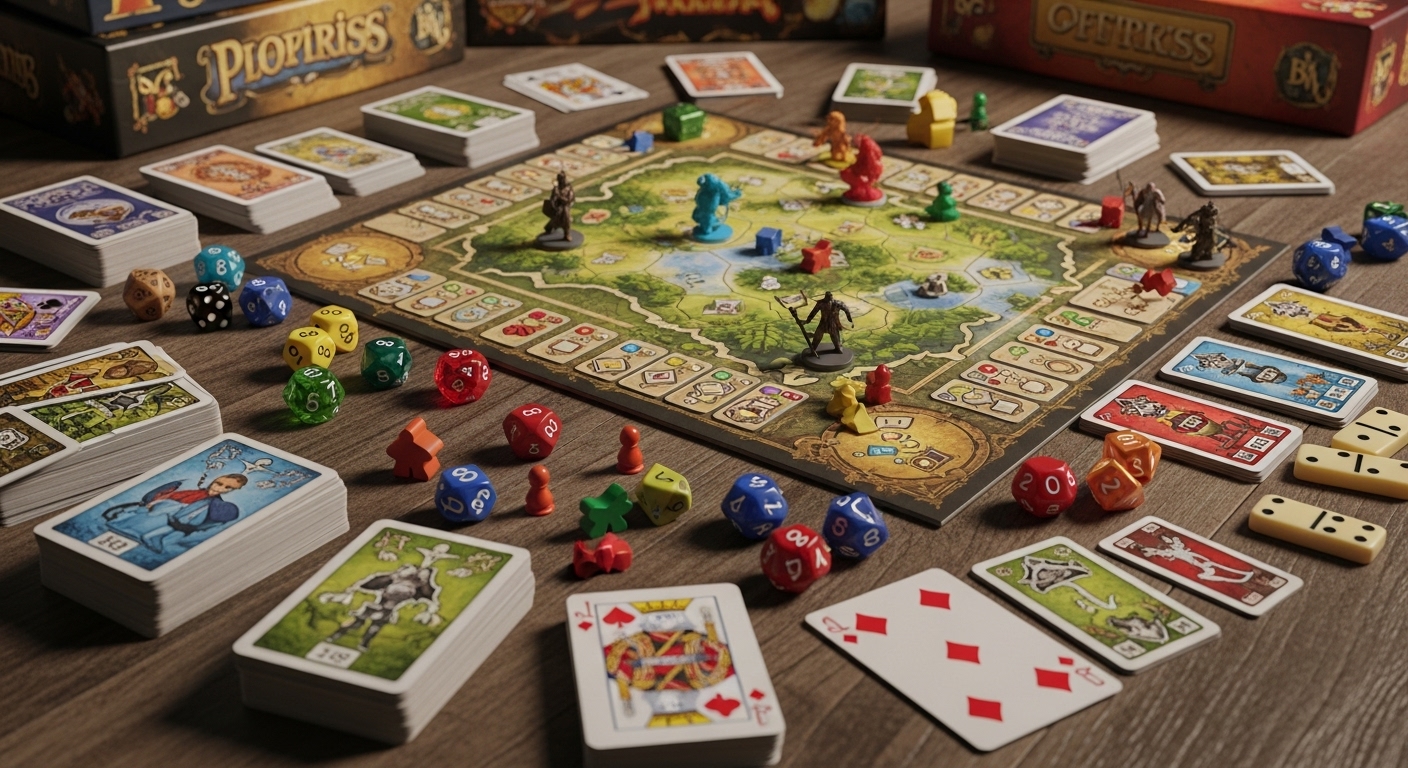
Before video games dominated the entertainment world, people found joy in simpler forms of play. Board games have been a staple in households for centuries, with classics like Chess, Checkers, and Go still being played today. These games required nothing more than a board and pieces, yet they offered an endless array of strategic depth. Chess, in particular, has been revered not only as a game but as a mental sport, with its history stretching back to the 6th century.
Card games also trace their origins back to ancient times, with games like Poker, Rummy, and Bridge having long been social activities. These games became a way for people to bond, socialize, and challenge their luck and skill. Despite the rise of digital entertainment, board and card games remain as relevant as ever, evolving in modern times to include tabletop role-playing games (RPGs) like Dungeons & Dragons, which has built a loyal following over the years.
The accessibility of board and card games has always been part of their charm. These games don’t require advanced technology or high-speed internet—just a set of rules, some equipment, and the willingness to engage with others. In a way, these games laid the foundation for the more complex and immersive experiences that would follow.
The Digital Revolution: The Birth of Video Games
The invention of video games brought an entirely new dimension to the world of gaming. What began with simple arcade machines like Pac-Man, Space Invaders, and Pong quickly expanded into more complex systems that required both strategy and skill. In the early days, video games were seen as a novelty—an entertainment option for those who frequented arcades—but as home consoles began to take off in the late 70s and early 80s, video games became a mainstream hobby.
The Nintendo Entertainment System (NES), released in the mid-1980s, was one of the first major successes of home gaming. With iconic titles like Super Mario Bros., The Legend of Zelda, and Metroid, Nintendo set the stage for future generations of gamers. Other systems, like the Sega Genesis and the PlayStation, would follow, each introducing new technologies and pushing the boundaries of what was possible in terms of graphics, gameplay, and storytelling.
The emergence of 3D graphics in the 90s and the rise of online multiplayer gaming in the early 2000s were revolutionary moments for the gaming industry. The possibilities seemed endless, and games began to incorporate cinematic storytelling, intricate worlds, and vast open environments. Games like The Elder Scrolls: Skyrim, Grand Theft Auto, and Halo allowed players to immerse themselves in expansive, living worlds that could be explored at will.
The Impact of Multiplayer Gaming and Online Communities
One of the most profound shifts in the gaming industry has been the rise of online multiplayer games. The ability to connect with people around the world, form alliances, and compete against others has fundamentally changed the way games are played and experienced. Early online games, like World of Warcraft, were groundbreaking in their scope and player interaction. They allowed thousands of players to coexist in a single virtual world, working together or against one another toward shared goals.
Today, games like Fortnite, Call of Duty, and League of Legends are at the forefront of competitive gaming, or esports, where players can become professional competitors and make a living from their gaming skills. The esports industry has exploded, with tournaments offering millions of dollars in prize money, attracting sponsorships, and filling stadiums with fans who follow their favorite teams and players. Online multiplayer gaming has also led to the rise of streaming platforms like Twitch, where millions tune in to watch others play.
The social aspect of multiplayer gaming cannot be overstated. Whether playing with friends or joining a team of strangers, online games provide a sense of community. These communities often extend beyond the game itself, with players forming lasting friendships, sharing their experiences on social media, and creating fan-made content such as videos, fan art, and mods. This sense of belonging and shared purpose is one of the driving forces behind the continued growth of online gaming.
The Evolution of Game Genres: Variety and Innovation
As technology has advanced, the types of games available have expanded exponentially. From the early days of platformers and arcade shooters, the gaming industry now boasts a wide variety of genres that cater to all tastes and interests. Here are a few of the most influential genres and their evolution:
- Role-Playing Games (RPGs): RPGs have long been a favorite genre for gamers who love to immerse themselves in a fictional world. Early RPGs like Final Fantasy and Dragon Quest established the genre as one that could blend combat, storytelling, and exploration. Modern RPGs, such as The Witcher 3 and Mass Effect, offer expansive worlds, moral choices, and intricate character development, making them some of the most beloved games of all time.
- First-Person Shooters (FPS): FPS games, which allow players to experience combat from a first-person perspective, have been among the most popular genres in gaming. Titles like Doom, Counter-Strike, and Call of Duty have made FPS games a dominant force in the industry. Modern FPS games often feature intense multiplayer experiences and large-scale warfare, with real-time strategy and team coordination being key elements of success.
- Simulation and Strategy Games: For those who prefer managing resources, building empires, or simulating real-life activities, simulation and strategy games have always offered a rewarding experience. Games like SimCity, Civilization, and The Sims allow players to create and manage virtual worlds, offering a sense of control and mastery over complex systems.
- Sports and Racing Games: Sports games like FIFA, Madden NFL, and NBA 2K, along with racing games like Gran Turismo and Mario Kart, offer players the chance to experience the thrill of competition and the adrenaline of high-speed action. These games often mirror real-world sports and offer both single-player and multiplayer modes.
- Indie Games: Indie games have gained a massive following in recent years. Often developed by small teams or even individual creators, these games are known for their unique concepts, artistic styles, and innovative mechanics. Titles like Celeste, Hades, and Hollow Knight have demonstrated that small-scale games can have a significant cultural impact, offering deep emotional narratives, challenging gameplay, and stunning art design.
Mobile Gaming: The Pocket Revolution
The smartphone revolution brought gaming into the hands of millions around the world, turning casual gaming into a ubiquitous pastime. With the rise of mobile apps, games like Angry Birds, Candy Crush, and Clash of Clans became household names, offering accessible, bite-sized entertainment for players of all ages.
Mobile gaming has democratized play, allowing anyone with a smartphone to enjoy games without the need for specialized hardware. The accessibility and affordability of mobile games have expanded the gaming market, particularly in developing countries where consoles and PCs may be out of reach. Mobile games are also pushing the boundaries of innovation, with augmented reality (AR) games like Pokémon Go blending the real world with the digital, encouraging players to get outside and explore their environment.
Gaming and Its Cultural Significance
Games are more than just a form of entertainment—they are an integral part of modern culture. Gaming has become a form of expression, with developers using their platforms to tell diverse stories, explore social issues, and engage with global audiences. Games like Life is Strange and The Last of Us have tackled topics such as mental health, relationships, and societal struggles, making a profound impact on the gaming community and beyond.
In addition, gaming conventions, such as E3 and PAX, have become major cultural events where developers, fans, and industry experts come together to celebrate the art of gaming. These events showcase the latest advancements in gaming technology, introduce new games, and provide a platform for discussion about the future of the medium.
Conclusion: A Future Built on Play
The world of gaming has come a long way from its humble beginnings. From simple board games to complex virtual worlds, games continue to shape our lives in meaningful ways. As technology advances, so too does the potential for new experiences, challenges, and connections. Whether through the immersive worlds of RPGs, the competitive nature of esports, or the casual fun of mobile games, there is a game for everyone.
What makes games truly unique is their ability to bring people together. Whether you’re competing, cooperating, or simply enjoying a shared experience, games offer a space for creativity, learning, and human connection. As the industry continues to evolve, it’s clear that the world of gaming is far from reaching its peak. It remains a dynamic and ever-changing form of entertainment, and one that will continue to captivate and inspire for generations to come.