





In the last few decades, video games have evolved from being a simple hobby into a massive cultural phenomenon. From pixelated images and basic gameplay mechanics to lifelike graphics and immersive worlds, gaming has undergone a transformation that is hard to ignore. Today, gaming is not just about passing time—it’s a multi-billion-dollar industry that influences entertainment, social interaction, and even technology. This blog post explores the evolution of video games, the impact of gaming on society, and what the future holds for the world of games.
The Humble Beginnings of Video Games
Video gaming began with simple arcade games in the 1970s and 1980s. Games like Pong and Space Invaders were revolutionary at the time. They were basic but incredibly engaging, drawing people into their digital worlds with simple mechanics and addictive gameplay. These early games were just the beginning of what would become an entire industry. The appeal was simple: a new form of entertainment that allowed players to escape reality, even if only for a few minutes at a time.
In the 1980s, home consoles like the Atari 2600 and the Nintendo Entertainment System (NES) brought gaming into living rooms around the world. Players no longer needed to visit arcades to experience the thrill of gaming. Instead, they could enjoy their favorite games in the comfort of their homes. Games like Super Mario Bros. and Pac-Man became household names, introducing millions of people to the joy of gaming and setting the stage for what was to come.
The Rise of 3D Graphics and Immersive Worlds
As technology improved in the 1990s, so did the quality of video games. One of the most significant advancements was the introduction of 3D graphics. The shift from 2D to 3D allowed developers to create far more intricate and detailed game worlds. Games like Super Mario 64 and The Legend of Zelda: Ocarina of Time were groundbreaking at the time, showcasing what could be achieved with three-dimensional environments and fully realized characters.
The move to 3D also opened up new possibilities for game design, including expansive open-world environments. These worlds weren’t just a backdrop for gameplay; they became an integral part of the experience. Players could explore vast landscapes, solve complex puzzles, and interact with characters in ways that were previously unimaginable. Games like Grand Theft Auto III and The Elder Scrolls V: Skyrim allowed players to immerse themselves in expansive, living worlds where every choice felt meaningful.
Multiplayer Gaming: Changing the Social Fabric
As internet connectivity improved in the late 1990s and early 2000s, multiplayer gaming took off in a big way. The internet allowed players to connect with each other from all around the world, competing and collaborating in real-time. Online games like Counter-Strike, World of Warcraft, and Halo introduced the concept of global gaming communities, where people could form friendships, compete in tournaments, and work together to achieve common goals.
This shift in how games were played had a huge impact on gaming culture. No longer was gaming something you did alone. It became a way to connect with others, share experiences, and even build new social networks. Multiplayer games also paved the way for competitive gaming, or esports, where professional players compete in organized tournaments for large prizes. What was once considered a niche activity has now become a mainstream phenomenon, attracting millions of viewers and players worldwide.
Mobile Gaming: Gaming Anytime, Anywhere
The rise of smartphones revolutionized the way people play games. No longer confined to consoles or PCs, mobile gaming opened up the world of gaming to millions of people who never would have considered themselves gamers. Mobile games like Candy Crush Saga, Clash of Clans, and Pokémon Go were designed for short bursts of play, allowing players to enjoy their favorite games on the go.
Mobile gaming democratized gaming in a way that no other platform could. Games were accessible to anyone with a smartphone, and the casual gaming market exploded. The appeal of mobile games lies in their simplicity and convenience, allowing players to jump in and out of games without the need for a dedicated gaming setup. As mobile technology continues to improve, it’s likely that the gap between mobile and traditional console/PC gaming will continue to narrow, making mobile gaming an even more prominent force in the industry.
Virtual Reality: The Next Frontier
While mobile gaming may be the most accessible form of gaming, virtual reality (VR) is the most immersive. VR technology offers players the chance to step inside a game, experiencing it as if they were truly a part of the virtual world. Games like Beat Saber and Half-Life: Alyx have shown that VR is capable of delivering experiences that are unlike anything found on traditional platforms.
The immersive nature of VR opens up new opportunities for game developers to explore. Instead of controlling a character through a screen, players become the character, interacting with their surroundings using motion controls and headsets. This level of immersion has the potential to revolutionize the gaming industry, offering new forms of entertainment, education, and even social interaction.
While VR is still a niche market, the potential for growth is enormous. As the technology continues to improve and become more affordable, it could become as ubiquitous as smartphones. The next few years will be crucial for the development of VR, and it’s likely that we will see even more groundbreaking innovations in this space.
The Impact of Gaming on Society and Culture
Video games have evolved into a major cultural force. Beyond entertainment, gaming influences art, music, literature, and even politics. The narratives in modern video games often rival those found in books and movies, with games like The Last of Us and Red Dead Redemption 2 delivering emotionally charged stories that tackle complex themes.
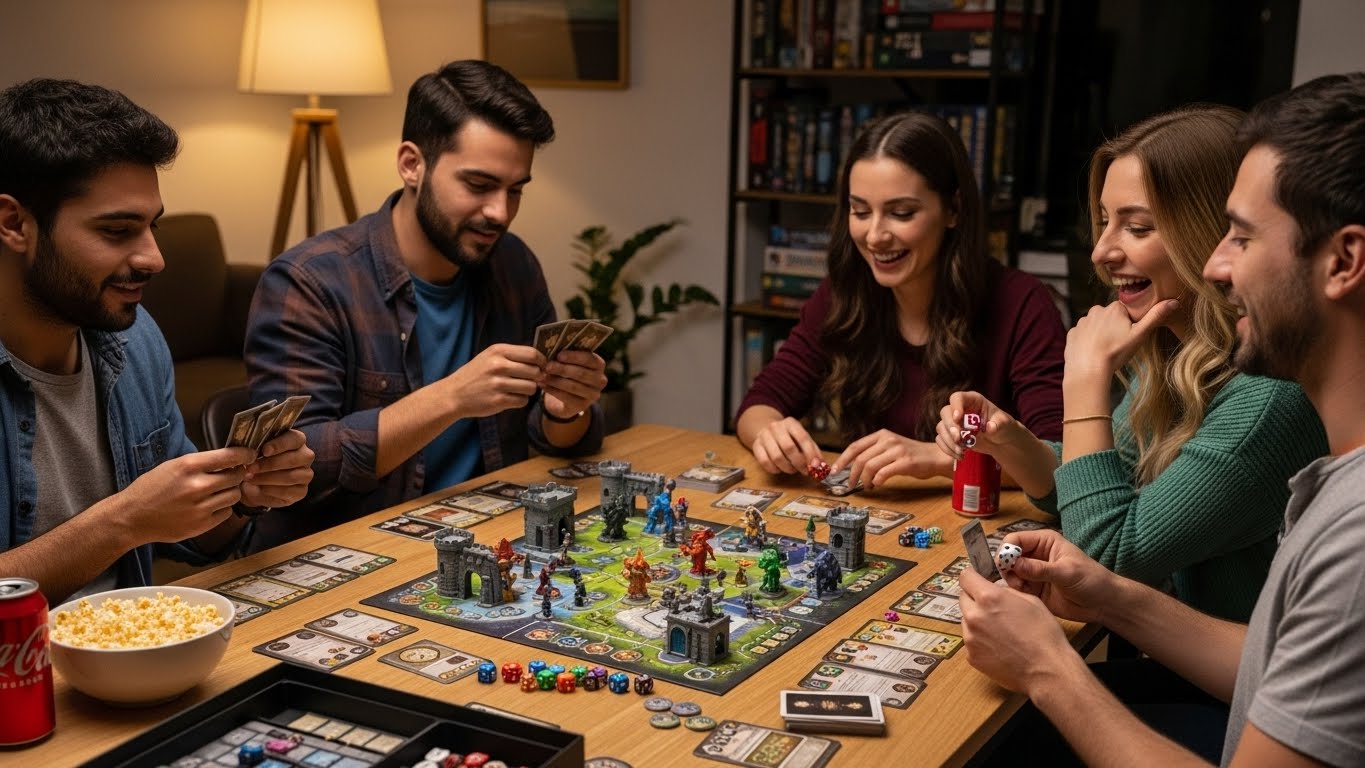
Gaming has also become a significant social activity. Through online multiplayer games, social media platforms, and streaming services like Twitch, players can connect, share, and create content with people from all over the world. This global connectivity has transformed gaming into a medium that is not only played but also watched, discussed, and shared.
In addition, games have been used as a tool for education and advocacy. Many educators use games to teach problem-solving skills, history, and critical thinking, while some games address important social issues, such as mental health and environmental conservation. As games continue to grow in influence, they have the power to shape cultural narratives and drive meaningful change.
The Future of Gaming: Endless Possibilities
The future of gaming is bright, with endless possibilities on the horizon. We are only scratching the surface of what technology can offer. Cloud gaming, where games are streamed rather than downloaded, is likely to become more prevalent, allowing players to access high-quality games without the need for expensive hardware. Artificial intelligence (AI) will also continue to enhance gameplay, offering more dynamic, responsive game worlds where characters and environments adapt to players’ actions.
As augmented reality (AR) and mixed reality (MR) technologies improve, we can expect even more seamless integrations between the physical and digital worlds. Players may soon be able to interact with games in entirely new ways, using gestures, voice commands, and even their surroundings as part of the gameplay experience.
Furthermore, the growth of esports and professional gaming will continue to expand the influence of games in the entertainment industry. Major tournaments, streaming platforms, and game studios will further solidify gaming’s place in the mainstream.
Conclusion: A Universe of Possibilities
From their simple beginnings to the incredibly immersive experiences of today, video games have come a long way. What started as a hobby has transformed into a global cultural phenomenon that influences entertainment, social interaction, and technology. As technology continues to evolve, the possibilities for gaming are endless. Whether through virtual reality, mobile gaming, or esports, the future of gaming promises to deliver even more thrilling and innovative experiences. For players, creators, and fans alike, the adventure is just beginning.